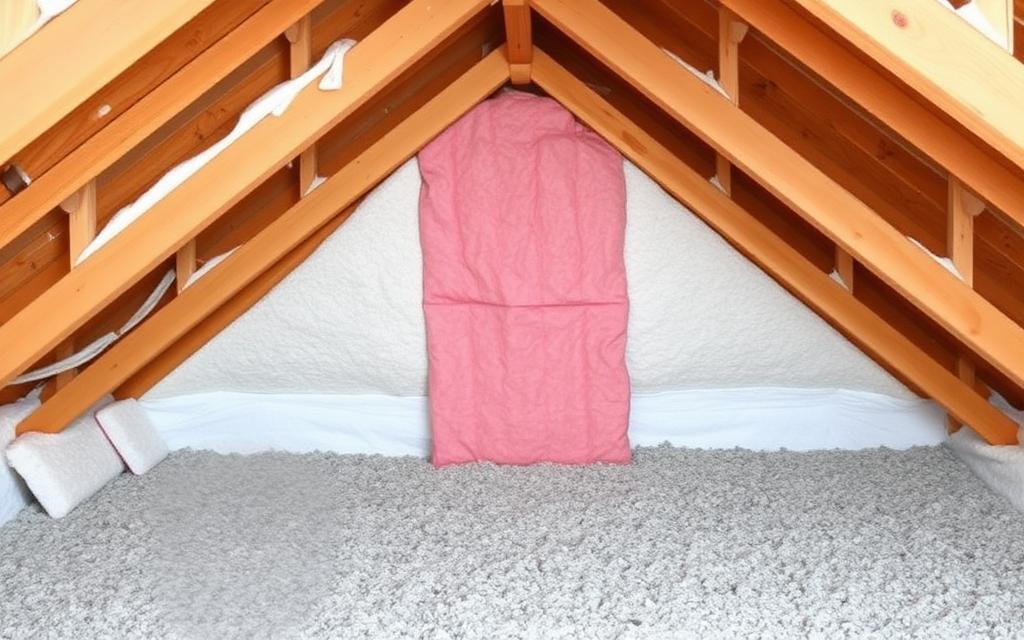
Why the Bonus Room Over the Garage Is Always the Worst Room in Your Cumming Home
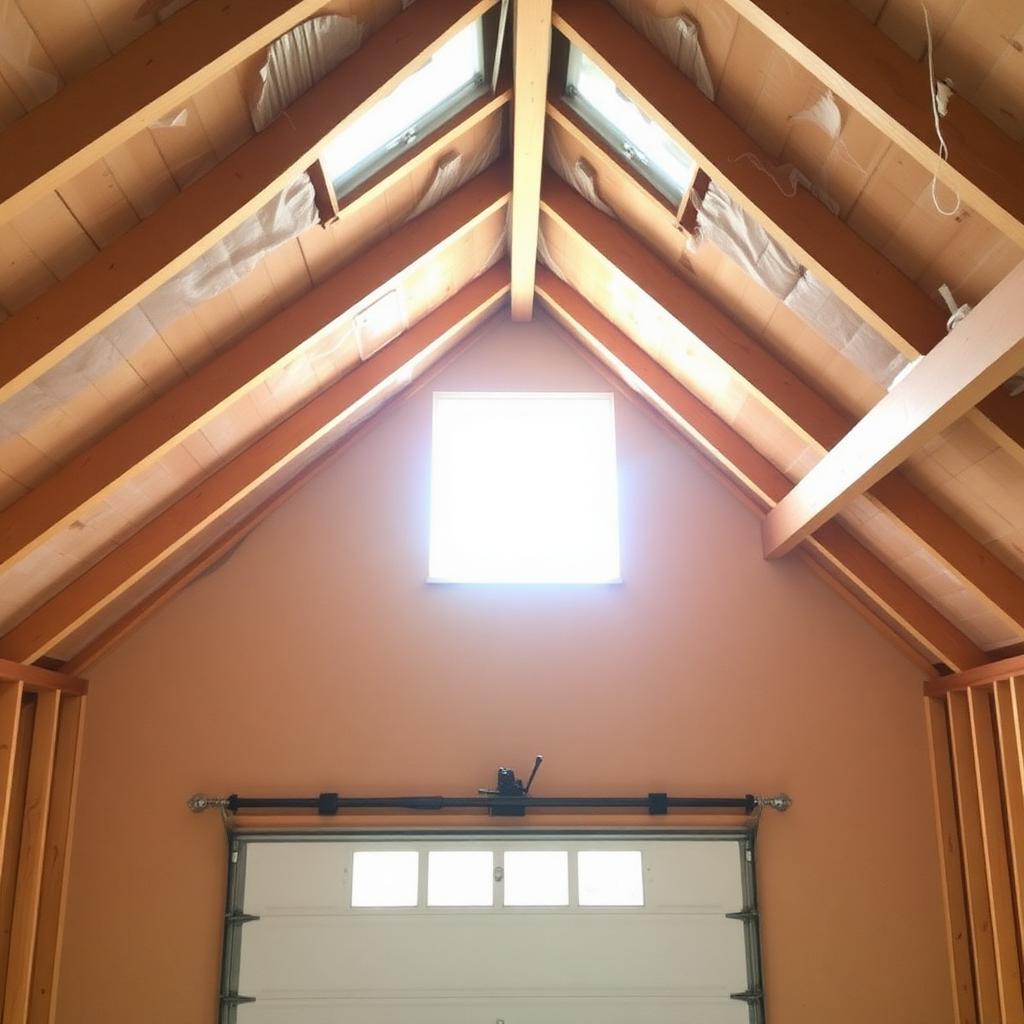
Almost every home built in Cumming and Forsyth County over the last 25 years has one. The bonus room over the garage. It's the playroom, the guest suite, the home office, the teenager's hideout. And it's almost always the most uncomfortable room in the house. 90°F in the summer, 58°F in the winter, and no matter how you set the thermostat, it never quite catches up.
At Iron Hive Insulation, we've evaluated hundreds of these rooms across Vickery, Windermere, Hampton Golf Village, Polo Fields, and the newer builds off Highway 20. The problem is rarely the HVAC. It's the way the room was framed and insulated. Here's what's actually happening above your garage, and what a real fix looks like.
Why Bonus Rooms Over Garages Are So Miserable
A bonus room over a garage is a comfort nightmare for a specific reason: it's surrounded by unconditioned space on five out of six sides.
- Below: an uninsulated or barely insulated garage that swings from 30°F to 110°F.
- Above: a low, sloped attic space that gets brutally hot in summer.
- On either side: kneewalls that back into unconditioned attic pockets.
- The end walls: often exterior walls with minimal insulation.
- The floor: typically has fiberglass batts stuffed between the joists with air blowing all around them from the attic pockets on each side.
Even with perfect insulation everywhere else in your home, a bonus room built this way is fighting a losing battle. The HVAC register is usually at the end of a long run, so it gets weak airflow and even weaker temperature control.
The Three Framing Mistakes We See Constantly
1. Batts in the Floor With No Air Barrier
Builders drop fiberglass batts between the floor joists over the garage and call it done. But there's no plywood, drywall, or sheathing below the batts. Just the garage ceiling drywall, which isn't air-sealed. Air moves freely through the fiberglass, making it nearly worthless. The floor stays cold in winter and hot in summer.
2. Kneewalls Without Continuous Insulation
The short walls where the sloped ceiling meets the floor (the "kneewalls") are usually insulated with batts on the room side, but the attic-side pockets behind them are open to the roof deck. Hot attic air pours around and through the insulation. In summer, those kneewalls radiate heat into the room like a wood stove.
3. Vented Sloped Ceilings With Compressed Insulation
The sloped ceiling section usually has fiberglass batts crammed into a rafter cavity that also has to accommodate a vent channel. There's rarely enough depth to hit R-38, and the batts are almost always compressed, gapped, or sagging.
What a Real Fix Looks Like
The most effective fix for a Cumming bonus room over the garage is almost always closed-cell spray foam applied to the underside of the roof deck, converting the bonus room's attic pockets into conditioned space. Here's how it works in practice:
- Spray foam the roof deck above the sloped ceiling and behind the kneewalls, bringing the whole envelope inside the thermal boundary.
- Spray foam the garage ceiling (the floor of the bonus room) with 2–3 inches of closed-cell foam. This blocks air movement and adds a real thermal break between the garage and the room above.
- Air seal the top plates, wire penetrations, and any bypasses between the garage attic and the bonus room. Our air sealing service is often bundled with this work.
- Remove the old, contaminated, or compressed batts first. See our insulation removal guide for what that involves.
Done properly, the bonus room becomes part of the conditioned envelope of the house instead of a room floating in the middle of unconditioned space. Comfort improves dramatically and often within a day.
What About Just Adding More Batts?
We get asked this constantly, and the honest answer is: more fiberglass alone rarely fixes a bonus room over a garage. The problem isn't R-value. It's air movement and geometry. Stuffing more batts into leaky cavities doesn't stop the air, and it doesn't address the kneewall pockets or the uninsulated garage below. You can spend real money and feel almost no difference.
If budget is the constraint, a hybrid approach can work: spray foam the critical air-sealing areas (garage ceiling, kneewall backs, rim joists) and top off with dense-pack cellulose or high-density batts elsewhere. It's a real improvement at a lower cost than a full foam job.
Does the HVAC Need to Change Too?
Sometimes. Many Cumming bonus rooms were designed with an undersized duct run because the builder assumed the room would rarely be used. Once you fix the envelope, a good HVAC contractor may need to rebalance dampers or add a small booster. But we've seen countless rooms go from "unusable in July" to perfectly comfortable with insulation work alone. Fix the envelope first. Then decide if the HVAC still needs help.
Why Cumming and Forsyth County Homes Are Especially Prone
Forsyth County exploded with new construction in the late 1990s and 2000s. Builders were moving fast, and the bonus-room-over-garage floor plan was standard. Most of these homes hit minimum code at the time, which was well below today's standards, and the framing details in those bonus rooms rarely got the attention they needed. If your home was built between 1995 and 2015 in Cumming, there's a very good chance the bonus room is exactly as we've described.
For a broader look at how insulation standards have shifted, see our guide to Georgia insulation code requirements and our comparison of spray foam vs fiberglass vs cellulose.
Ready to Actually Use That Bonus Room Year-Round?
We serve homeowners across Cumming and Forsyth County, from Vickery and Windermere to Hampton Golf Village, Polo Fields, and the newer subdivisions off 400 and Highway 20. Our free evaluations include a full look at the bonus room envelope, attic pockets, kneewalls, garage ceiling, and ductwork, so you get a real diagnosis, not a guess.
Call Iron Hive Insulation at 678-606-HIVE (4483) or request a free estimate to schedule your Cumming bonus room evaluation. That room can be the best in the house. It just needs the right envelope.