Why Your Sandy Springs Home Feels Humid Even With the AC Running (And How to Actually Fix It)
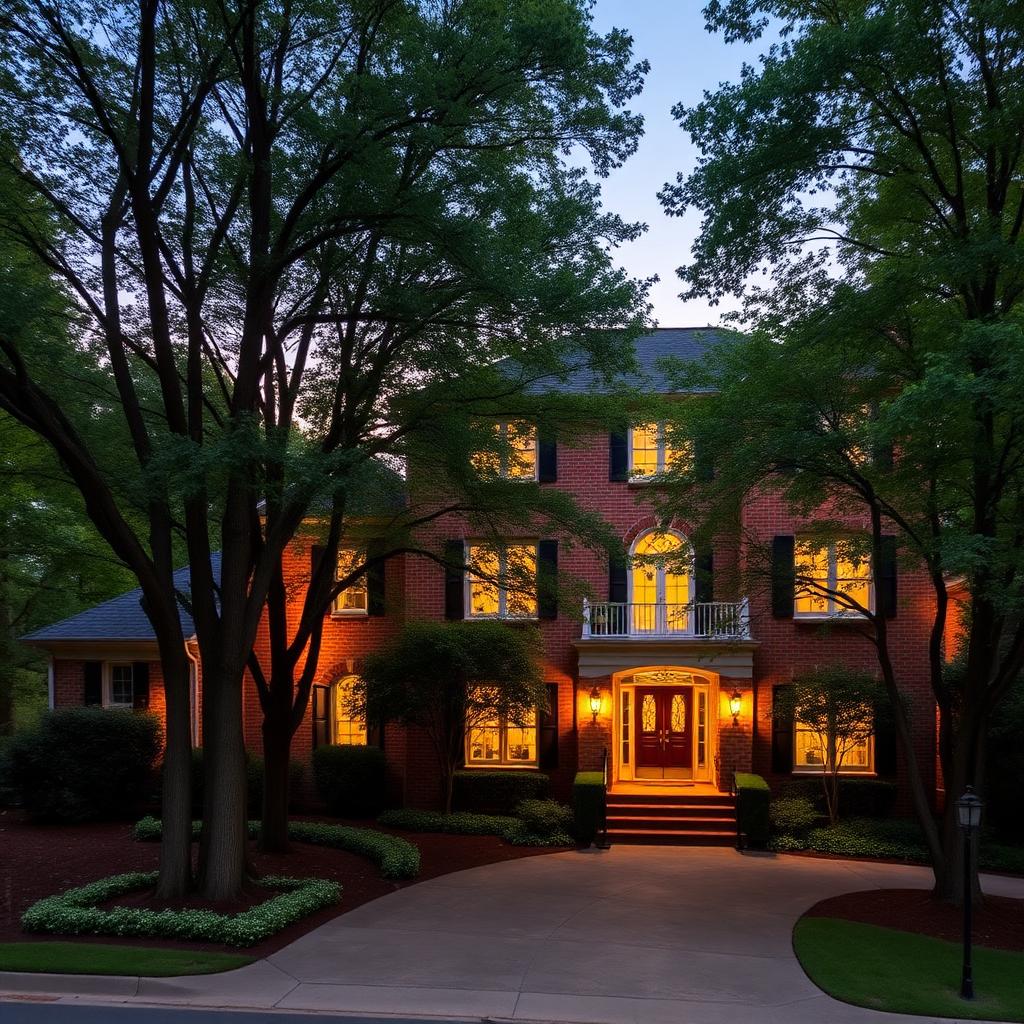
Sandy Springs homeowners call us every summer with the same complaint: the thermostat says 72, but the house *feels* like 78. Bathrooms fog up longer than they should. Hardwood floors cup at the seams. The basement smells musty even though nothing is visibly wet. And the AC runs almost constantly without ever really "catching up."
At Iron Hive Insulation, we work in Sandy Springs homes every week. From the older brick ranches off Roswell Road and the mid-century splits in High Point, to the newer luxury builds around Riverside and Chastain. The pattern is remarkably consistent: Sandy Springs has a humidity problem, and the root cause is almost always the attic, the crawl space, or the air pathways connecting them to your conditioned living space.
Why Sandy Springs Homes Trap Humidity
Metro Atlanta's summer dew points routinely sit in the low-to-mid 70s. That means the outdoor air is carrying an enormous amount of moisture, and every crack, gap, and unsealed penetration in your building envelope is a highway for that moisture to enter your home. Your AC is designed to handle a certain load of humidity. It can't keep up when the outdoor air is bypassing the system entirely through leaks in your attic and crawl space.
Sandy Springs makes this worse for three specific reasons:
- Mature tree canopy. Beautiful for property values, brutal for humidity. Heavy shade over crawl spaces and foundations means slower ground drying and higher ambient moisture around the home.
- Older housing stock. A huge portion of Sandy Springs was built between 1960 and 1995, before modern air sealing was even a code concept. These homes were designed to "breathe". Which in practice means they leak.
- Vented crawl spaces. The vast majority of Sandy Springs homes with crawl spaces have open foundation vents. In summer, those vents pull in hot, humid outdoor air that condenses on cool surfaces under your floor.
If your home has any two of those three factors, you have a humidity problem waiting to happen. And no thermostat setting will fix it.
The Real Reason Your AC Can't Win
Air conditioners do two jobs: they cool air (sensible cooling) and they remove moisture (latent cooling). Most residential systems in Sandy Springs are sized for sensible cooling, which means when the humidity load spikes, the system runs longer trying to dehumidify. But never quite gets there.
Here's the loop that traps you:
1. Hot, humid air infiltrates through the attic, crawl space, and rim joists.
2. The AC runs longer to compensate, but it's fighting a load it wasn't designed for.
3. Longer run times drop the indoor temperature but don't fully dehumidify.
4. The home feels clammy even at 72°F.
5. You lower the thermostat further, the AC runs even more, and your July power bill hits $400+.
The fix isn't a bigger AC. It's stopping the humid air from getting in.
The Sandy Springs Humidity Fix, Step by Step
1. Seal and Insulate the Attic
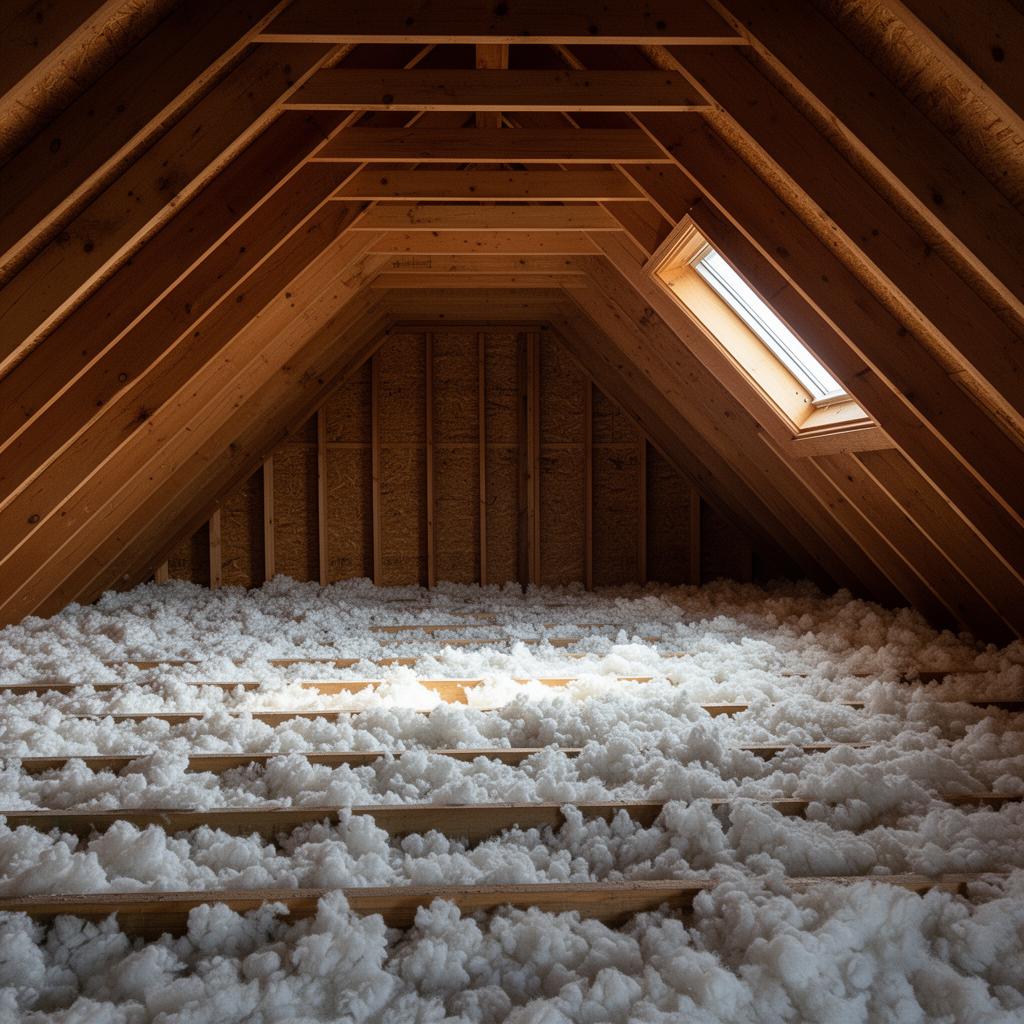
The attic is the single biggest infiltration path in most Sandy Springs homes. Warm, moist air from your living space rises and escapes through recessed lights, top plates, chimney chases, and pull-down stairs. And equal amounts of hot attic air get drawn back down through the same paths (the stack effect).
A proper attic fix in Sandy Springs looks like this:
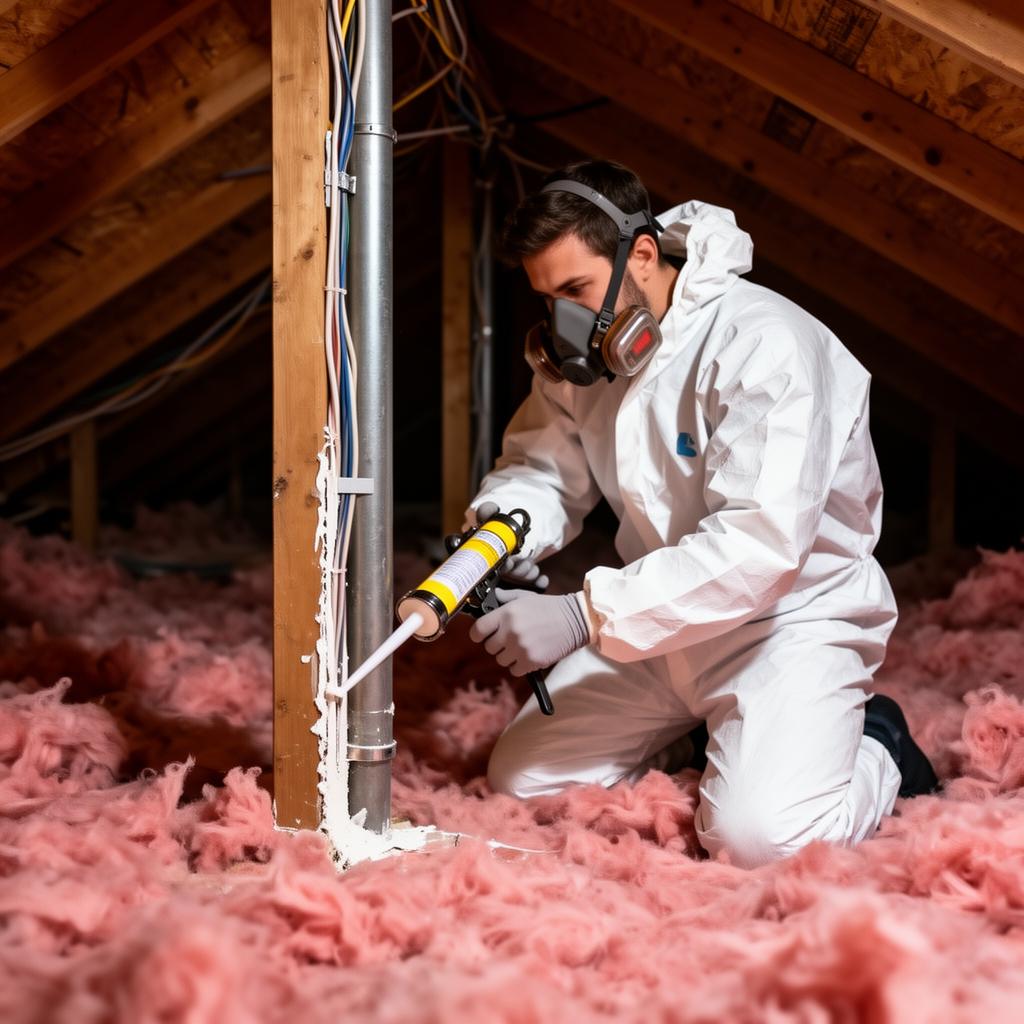
- Comprehensive air sealing at every penetration, top plate, and fixture
- Insulated and weatherstripped attic hatch or pull-down stair cover
- Baffles at every soffit vent to preserve airflow
- Blown-in insulation topped up to R-49 minimum
For homes with humidity problems severe enough to damage floors or promote mold growth, we often recommend converting to a spray foam roof deck. This turns the attic into a semi-conditioned space and eliminates one of the two biggest humidity pathways in the home.
2. Encapsulate the Crawl Space
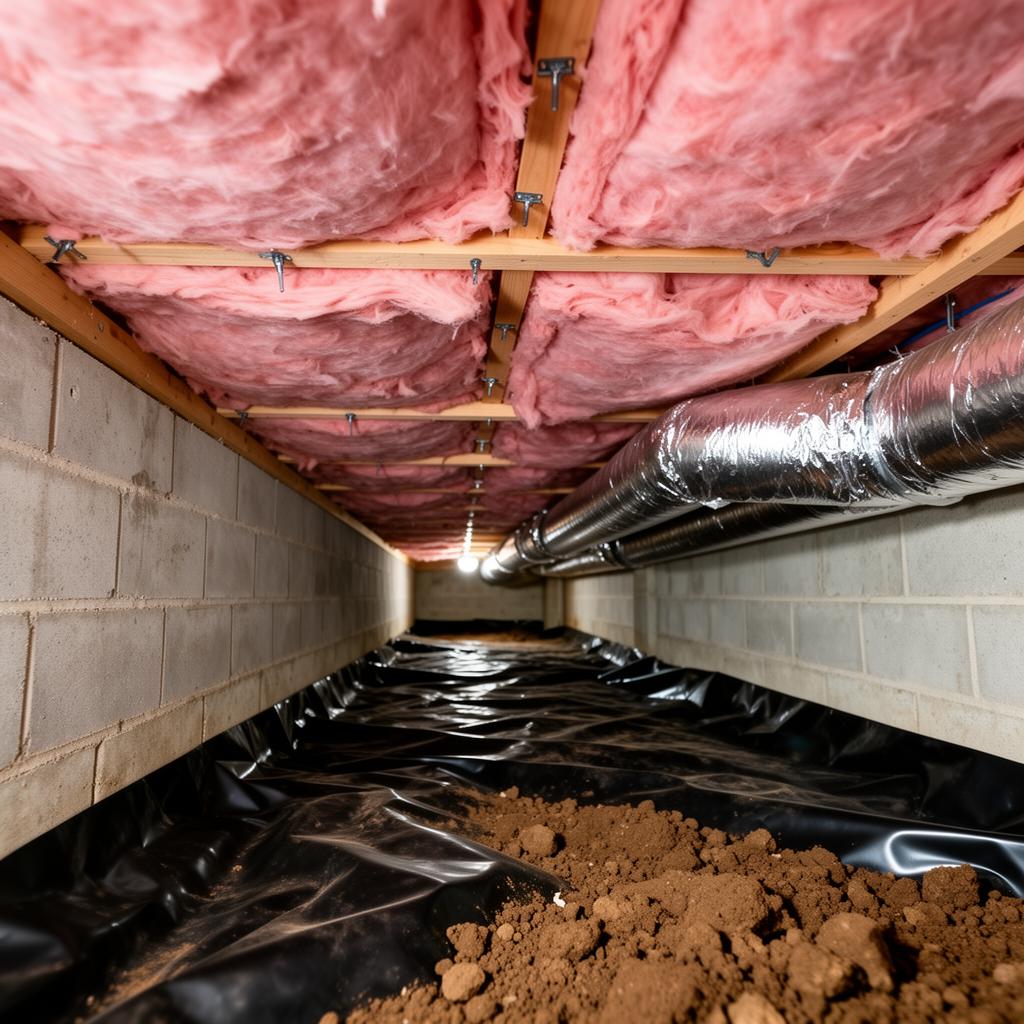
If your Sandy Springs home has a vented crawl space and you're dealing with humidity, encapsulation is the highest-ROI project you can do. Every summer that a vented crawl stays open, you're pulling humid outdoor air into a cool space where it condenses on the floor joists, subfloor, and ductwork. And that moisture eventually ends up in your living space through the floor.
A proper crawl space fix includes:
- Sealing all foundation vents
- Installing a heavy-mil vapor barrier across the floor and up the walls
- Insulating the perimeter walls (typically with rigid foam or closed-cell spray foam)
- Sealing the band joist / rim joist
- Adding a dedicated dehumidifier sized to the space
Sandy Springs homeowners often see indoor humidity drop 10–15 percentage points within a week of a full encapsulation. Hardwood floors stop cupping. Musty smells disappear. AC run times drop noticeably.
3. Seal the Band Joist and Basement Rim
If you have a basement instead of a crawl space, the band joist, that horizontal beam where your foundation meets the framing, is almost never sealed in Sandy Springs homes built before 2005. This gap is often the size of a small window, distributed around the entire perimeter of your home.
Two inches of closed-cell spray foam around the band joist is one of the cheapest, most impactful upgrades in the whole house. It stops humid air infiltration, adds insulation, and takes a crew only a few hours.
4. Address Duct Leakage in the Attic or Crawl
Leaky ducts in an unconditioned attic or crawl space are pulling in humid air and delivering it directly to your living space. If your ducts test above 10% leakage (many Sandy Springs homes test 20–30%), you're literally paying to move humid outdoor air through your HVAC system.
Sealing duct joints with mastic and insulating them to R-8 is standard work when we do an attic or crawl encapsulation, and it dramatically improves both comfort and efficiency.
What About a Whole-Home Dehumidifier?
We get this question constantly in Sandy Springs. A whole-home dehumidifier is a great supplement. But only after the envelope work is done. Adding a dehumidifier to a leaky attic and open crawl space is like running a fan next to an open window in July. You'll spend $2,000–$4,000 on equipment that constantly runs against an infinite humidity source.
Fix the envelope first, then add a dehumidifier only if you still need to bring indoor humidity down another 5–10 points. Most Sandy Springs homes don't need one after a proper encapsulation and attic project.
Neighborhood Patterns We See in Sandy Springs
- High Point, North Springs, Dunwoody Springs: Older brick ranches with vented crawl spaces. Encapsulation is almost always the fix.
- Riverside, Powers Ferry corridor: Larger 1980s–90s builds with unfinished basements. Band joist sealing and attic air sealing usually solve it.
- Chastain area, Long Island Drive corridor: Mix of updated older homes and new luxury builds. Even the newer homes often skip attic air sealing during construction.
- Sandy Springs Circle / Roswell Road corridor: Townhomes and infill construction where shared walls and unsealed attics create surprising humidity problems.
Every Sandy Springs home is a little different, but the diagnostic process is the same: measure indoor humidity, inspect the attic, inspect the crawl or basement, test duct leakage, and fix the biggest infiltration paths first.
The Cost vs. the Return
A typical Sandy Springs humidity project, attic air sealing, insulation top-up, and crawl space encapsulation, falls somewhere between $6,000 and $18,000 depending on the size of the home and the condition of the existing insulation. Homeowners typically see:
- Indoor humidity drop from 60%+ to a comfortable 45–50%
- Cooling bills drop 20–35% in summer
- HVAC run times shortened significantly, extending equipment life
- Elimination of musty smells, floor cupping, and window condensation
Compare that to the cost of replacing a warped hardwood floor, a mold remediation, or an oversized AC upgrade, and the envelope work almost always pays for itself faster than any other home improvement.
Related Reading for Sandy Springs Homeowners
- A Homeowner's Guide to Crawl Space Insulation in Metro Atlanta
- The Hidden Benefits of Air Sealing Your Home
- Is Your HVAC System Working Too Hard? The Problem Might Be Your Insulation
- How Proper Insulation Can Cut Your Energy Bills by 30%
- Sandy Springs Service Area
Schedule a Sandy Springs Humidity Assessment
If your Sandy Springs home feels humid despite a working AC, don't keep chasing it with a bigger thermostat drop or a new unit. The fix is almost always in the envelope. And we can tell you exactly what's driving the problem in about an hour on site.
Call Iron Hive Insulation at 678-606-HIVE (4483) or request a free estimate to schedule your Sandy Springs humidity assessment. We'll walk your attic, inspect your crawl or basement, take moisture readings, and give you a clear, prioritized plan. No pressure and no upsell.