How Proper Insulation Can Cut Your Energy Bills by 30% in Metro Atlanta
How Proper Insulation Can Cut Your Energy Bills by 30%
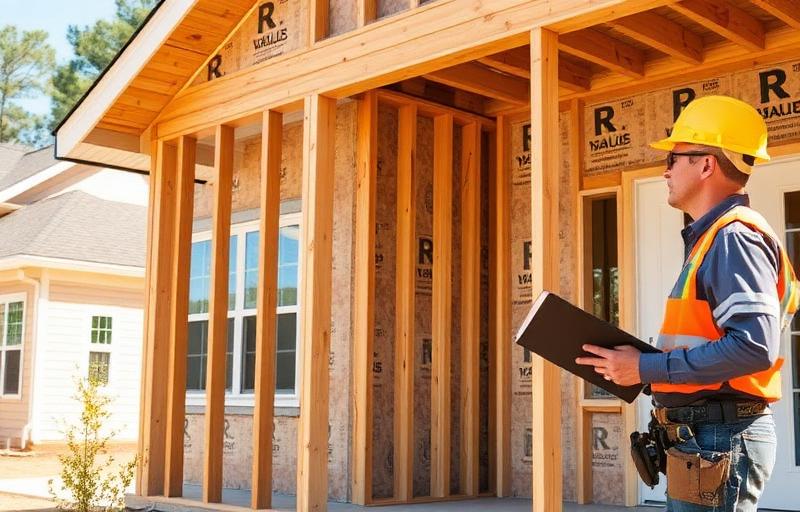
If you're tired of high energy bills, your insulation might be the problem. And the solution. Proper insulation is one of the most cost-effective home improvements you can make, with many homeowners seeing energy savings of 30% or more after upgrading.
In Metro Atlanta, heating and cooling costs make up a large portion of monthly utility expenses. When insulation is outdated, damaged, or insufficient, your HVAC system has to work harder to maintain comfortable temperatures. This leads to wasted energy and higher bills. Homes in cooler, higher-elevation areas feel it fastest Dawsonville homeowners often see the biggest bill drop after an attic and crawl space upgrade. Our Roswell insulation services team helps homeowners across the area reduce their energy costs.
Upgrading insulation helps your home hold conditioned air more effectively, improving efficiency and reducing energy loss. Below is a closer look at how proper insulation can significantly lower your energy costs and improve comfort year-round.
Why Insulation Has Such a Big Impact on Energy Bills
Insulation works by slowing the transfer of heat between your home and the outside environment. Without proper insulation, heat moves freely in and out of your home, forcing your HVAC system to run longer and use more energy.
Common causes of energy loss include:
- Thin or outdated insulation
- Air leaks in the attic or crawlspace
- Poor installation
- Moisture damage
- Settled or compressed insulation
Even small gaps or weak insulation can lead to significant energy waste over time.
Where Most Homes Lose Energy
Many homeowners are surprised to learn that energy loss often occurs in hidden areas of the home.
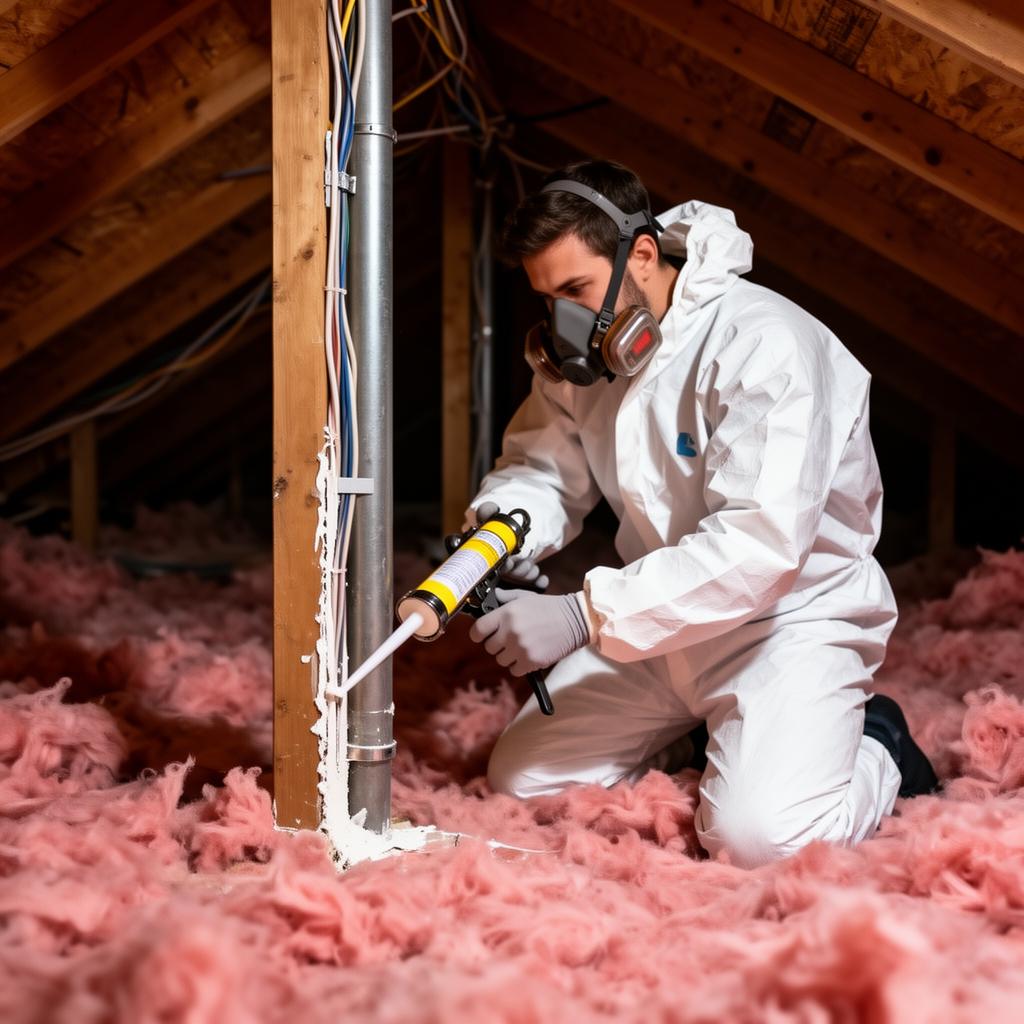
Attics
The attic is one of the largest sources of energy loss. Hot air rises, and without proper insulation, that heat escapes quickly.
Common attic issues include:
- Insufficient insulation depth
- Air leaks around wiring and ductwork
- Old or deteriorated insulation
- Poor ventilation
Upgrading attic insulation is often the fastest way to improve energy efficiency. Make sure your insulation meets Georgia insulation code requirements for the best results.
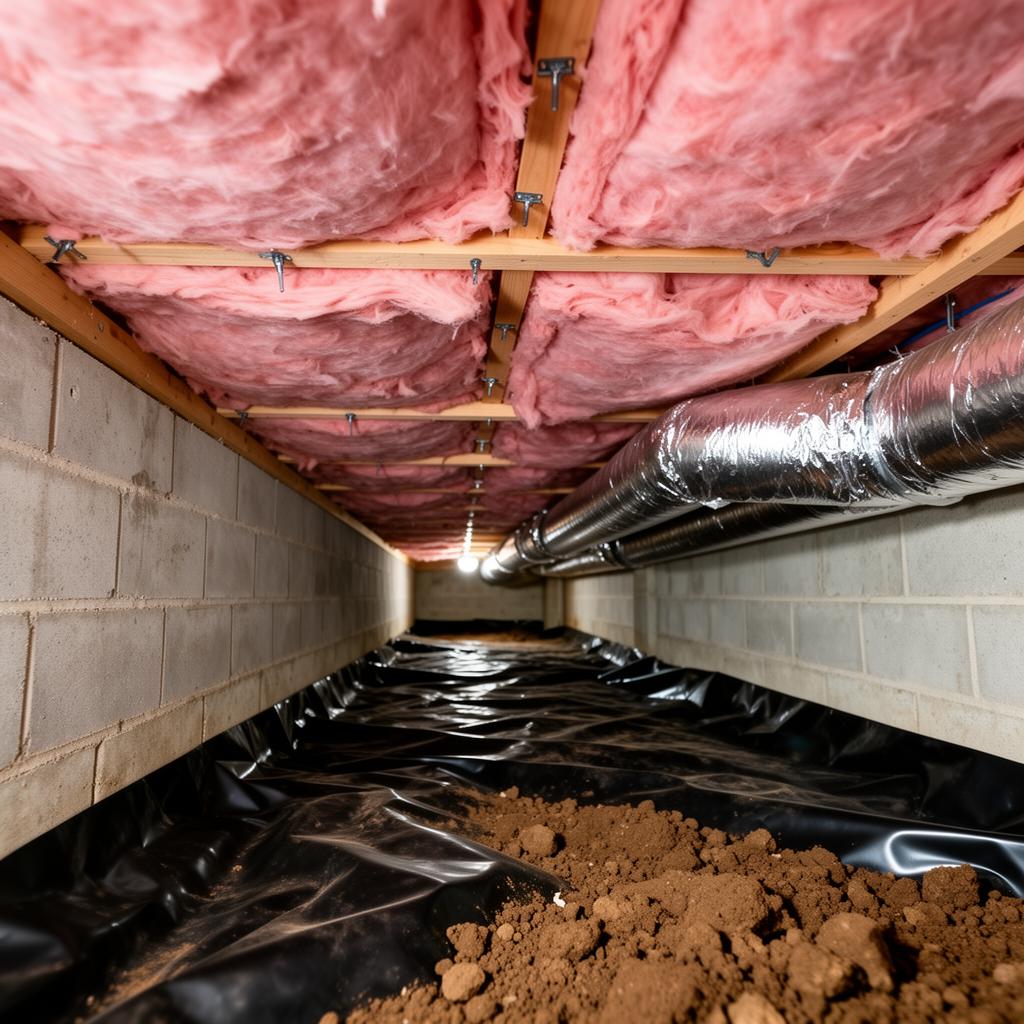
Crawlspaces
Crawlspaces can allow outside air and moisture to enter your home, affecting comfort and energy performance.
Problems may include:
- Missing insulation
- Moisture buildup
- Drafts
- Temperature fluctuations
Proper crawlspace insulation helps stabilize indoor temperatures and reduce energy loss.
Walls and Floors
Older homes may have limited wall insulation or gaps that allow heat transfer.
This can result in:
- Cold floors in winter
- Hot rooms in summer
- Uneven temperatures
- Increased HVAC usage
Adding insulation in these areas can improve comfort and efficiency.
How Insulation Can Reduce Energy Bills by Up to 30%
Energy savings vary depending on the condition of your home and the type of insulation installed. However, many homeowners experience noticeable reductions in monthly utility costs after upgrading insulation.
Insulation helps lower energy bills by:
- Reducing heat loss in winter
- Blocking heat gain in summer
- Improving HVAC efficiency
- Preventing air leaks
- Maintaining consistent indoor temperatures
These improvements allow your heating and cooling system to operate more efficiently and use less energy.
Additional Benefits Beyond Energy Savings
While lower energy bills are a major advantage, proper insulation also provides several other benefits.
Improved Indoor Comfort
Homes with proper insulation maintain more stable temperatures throughout the day.
You may notice:
- Fewer hot and cold spots
- More comfortable rooms
- Better airflow balance
- Reduced drafts
Longer HVAC System Lifespan
When your HVAC system doesn't have to work as hard, it experiences less wear and tear.
This can lead to:
- Fewer repairs
- Reduced maintenance costs
- Longer equipment lifespan
- More reliable performance
Better Moisture Control
Insulation helps reduce moisture intrusion, which protects your home from:
- Mold growth
- Wood rot
- Structural damage
- Musty odors
This is especially important in the humid climate of Metro Atlanta.
Increased Home Value
Energy-efficient homes are more attractive to buyers and often command higher resale values.
Upgrading insulation is a simple way to improve long-term property value.
Signs Your Insulation May Be Costing You Money
You may benefit from upgrading insulation if you notice:
- High energy bills
- Uneven temperatures between rooms
- Drafty areas
- HVAC system running constantly
- Hot upstairs rooms
- Cold floors
- Insulation older than 15–20 years
These signs often indicate that insulation is no longer performing effectively.
How to Maximize Energy Savings With Insulation
To achieve the best results, insulation should be combined with proper air sealing and professional installation.
Key steps include:
- Inspecting existing insulation
- Sealing air leaks
- Installing the correct insulation depth
- Addressing moisture issues
- Ensuring proper ventilation
This comprehensive approach helps your home operate efficiently and maintain consistent comfort.
How Long Does It Take to See Energy Savings?
Many homeowners notice improvements in comfort immediately after insulation upgrades.
Energy savings typically become noticeable:
Within the first utility bill cycle
Over time, the savings can add up significantly, making insulation one of the most cost-effective home improvements available.
Frequently Asked Questions
Can insulation really reduce energy bills by 30%?
Yes. Homes with outdated or insufficient insulation often experience significant energy loss. Upgrading insulation can lead to noticeable reductions in heating and cooling costs.
What type of insulation saves the most energy?
The best option depends on your home, but common high-performance choices include:
- Spray foam
- Cellulose
- Fiberglass
Proper installation and air sealing are equally important for maximizing efficiency.
How long does insulation last?
Most insulation materials last:
15 to 30 years
However, damage, moisture, and settling can reduce effectiveness over time.
Is insulation worth the investment?
Yes. Insulation is one of the most cost-effective upgrades for improving comfort, efficiency, and long-term home performance.
Start Saving Energy With Proper Insulation in Metro Atlanta
If your energy bills are rising or your home feels uncomfortable, upgrading insulation may be the solution.
A professional inspection can identify problem areas and recommend the right improvements to improve efficiency and reduce energy costs.
Contact a local professional today to learn how proper insulation can help lower your energy bills and keep your home comfortable year-round.