A Homeowner's Guide to Crawl Space Insulation in Metro Atlanta
A Homeowner's Guide to Crawl Space Insulation
Your crawl space might be out of sight, but it shouldn't be out of mind. An uninsulated or poorly insulated crawl space can account for a significant portion of your home's energy loss and can lead to moisture problems, pest infestations, and uncomfortable floors.
In Metro Atlanta, crawl spaces are especially vulnerable to humidity, temperature swings, and moisture intrusion. Without proper insulation and air sealing, these conditions can affect your home's comfort, efficiency, and long-term structural health. That's especially true on the shaded DeKalb County lots where we do most of our crawl space insulation in Tucker work, since crawl spaces there stay damp for weeks after a heavy rain. Our Roswell insulation services team handles crawl space projects throughout the area.
This guide will help homeowners understand the importance of crawl space insulation, how it works, and what options are available to protect your home.
Why Crawl Space Insulation Matters
Many homeowners focus on attic insulation but overlook the crawl space. However, the crawl space plays a major role in maintaining indoor comfort and protecting your home from moisture-related issues.
Proper crawl space insulation helps:
- Reduce energy loss
- Improve indoor comfort
- Prevent moisture buildup
- Protect flooring and subfloors
- Reduce pest intrusion
- Improve overall home efficiency
When your crawl space is properly insulated and sealed, your home maintains more consistent conditions. Similar to how a well-built hive protects and regulates the environment inside.
Common Problems Caused by Poor Crawl Space Insulation
An uninsulated or poorly insulated crawl space can lead to several issues that affect your home's performance.
Moisture and Humidity
Humidity is one of the biggest concerns for homes in Georgia. Excess moisture in the crawl space can lead to:
- Mold and mildew growth
- Wood rot
- Musty odors
- Reduced insulation performance
- Structural damage over time
Cold Floors in Winter and Hot Floors in Summer
If your crawl space is not properly insulated, outdoor temperatures can easily transfer into your home.
You may notice:
- Cold floors during cooler months
- Warm or humid floors during summer
- Uneven temperatures between rooms
- Reduced comfort throughout the home
Higher Energy Bills
Air leaks and poor insulation allow conditioned air to escape, forcing your HVAC system to work harder to maintain comfortable temperatures.
This can result in:
- Increased heating and cooling costs
- Longer HVAC run times
- Reduced system efficiency
- Higher utility bills
Pest Intrusion
Crawl spaces that are not properly sealed and insulated can attract pests.
Common pests include:
- Rodents
- Insects
- Termites
- Wildlife
Proper insulation and sealing help reduce entry points and make the crawl space less attractive to pests.
Types of Crawl Space Insulation
There are several insulation options available for crawl spaces. The best choice depends on your home's structure, moisture conditions, and efficiency goals.
Spray Foam Insulation
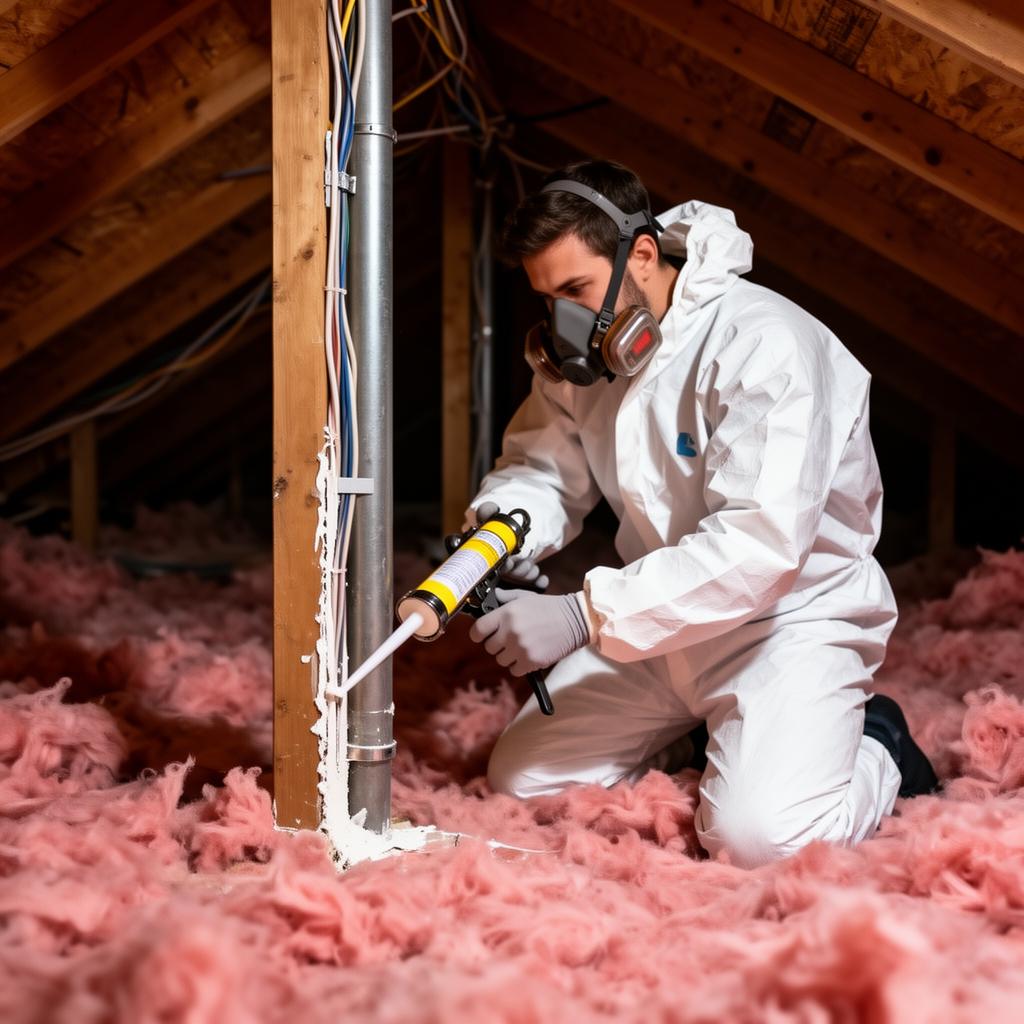
Spray foam is one of the most effective insulation options for crawl spaces. It expands to fill gaps and creates an airtight seal.
Benefits include:
- Excellent air sealing
- Moisture resistance
- High energy efficiency
- Long-lasting performance
- Improved structural protection
Spray foam is commonly used along crawl space walls, rim joists, and foundation areas.
Fiberglass Insulation
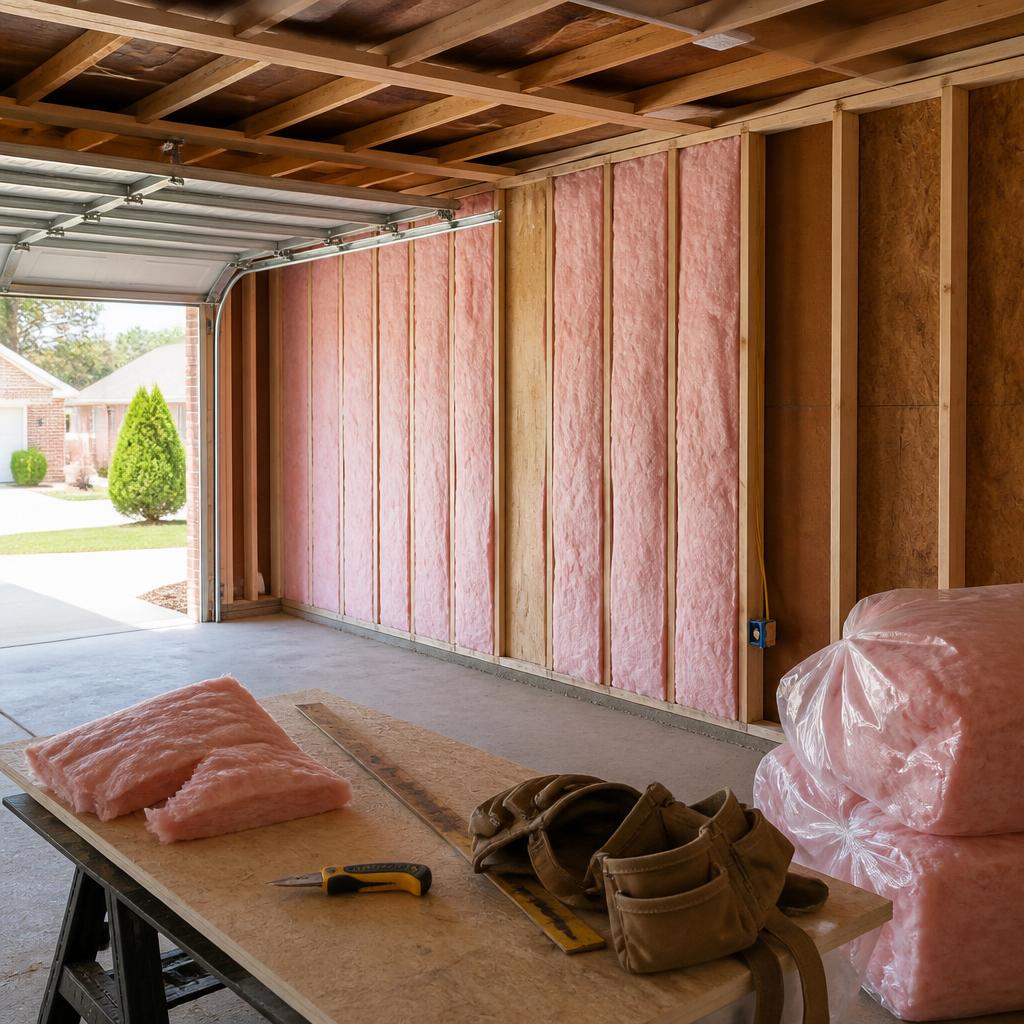
Fiberglass insulation is a widely used and cost-effective option for crawl spaces when installed properly.
Benefits include:
- Affordable installation
- Reliable thermal performance
- Suitable for many crawl space designs
- Quick installation
Fiberglass is typically installed between floor joists or along crawl space walls.
Rigid Foam Board Insulation
Rigid foam board provides strong insulation and moisture resistance. It is often used in crawl spaces with higher humidity levels.
Benefits include:
- Durable performance
- Moisture resistance
- Consistent insulation coverage
- Long-term efficiency
Should Crawl Space Insulation Be Installed in the Floor or Walls?
The best location for insulation depends on whether your crawl space is vented or sealed.
Vented Crawl Space
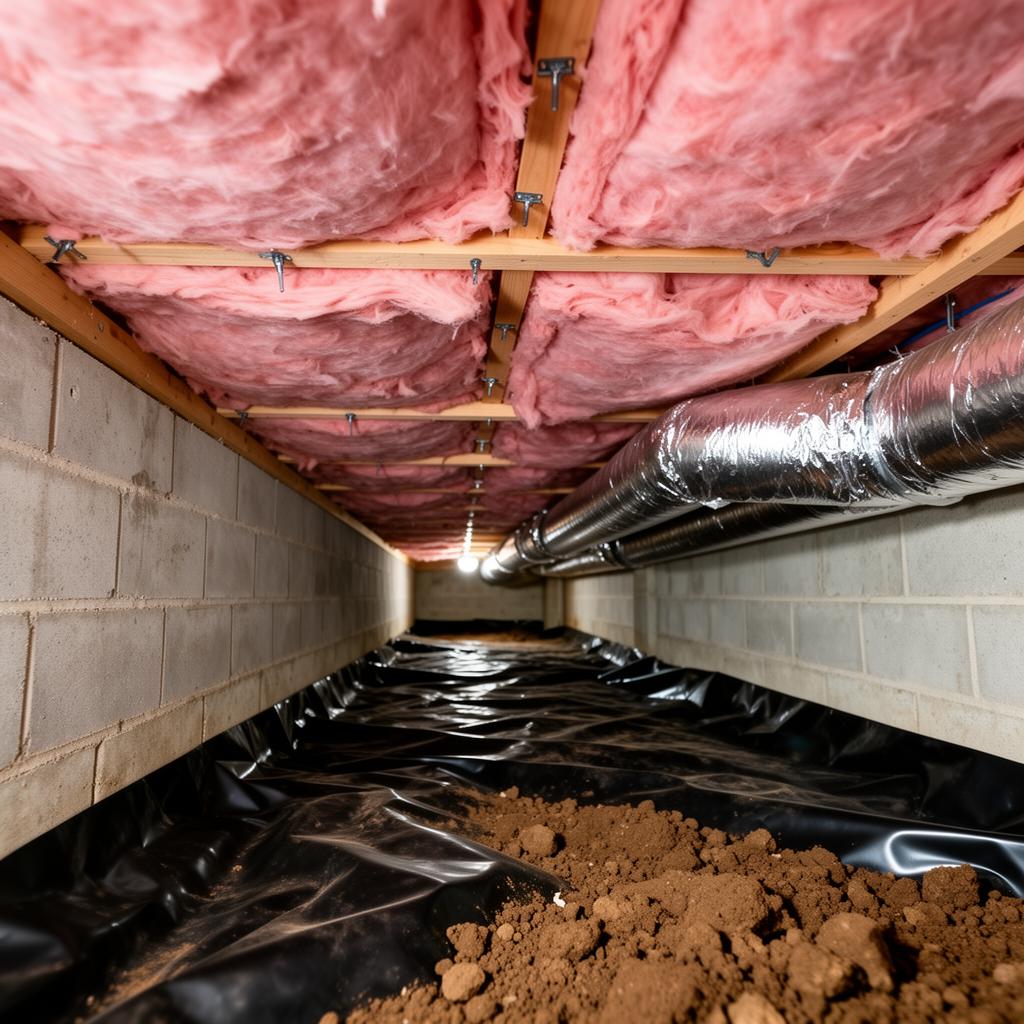
In traditional vented crawl spaces, insulation is usually installed:
- Between floor joists
- Under the subfloor
This helps reduce heat transfer from the crawl space into the home.
Sealed (Encapsulated) Crawl Space
In sealed crawl spaces, insulation is typically installed:
- Along the crawl space walls
- Around rim joists
- At foundation surfaces
This approach helps control moisture, improve efficiency, and create a more stable environment.
Signs Your Crawl Space Needs Insulation
You may benefit from crawl space insulation if you notice:
- Cold or uncomfortable floors
- Musty odors in the home
- High humidity levels
- Rising energy bills
- Visible moisture or condensation
- Pest activity
- Mold or mildew
- Uneven indoor temperatures
These signs often indicate that your crawl space is losing energy or allowing moisture to enter your home.
How Crawl Space Insulation Improves Energy Efficiency
Crawl space insulation helps maintain stable indoor temperatures by reducing heat transfer and preventing air leaks.
Benefits include:
- Lower energy bills
- Improved HVAC efficiency
- More consistent indoor comfort
- Reduced temperature fluctuations
- Better humidity control
In many homes, crawl space insulation is one of the most effective upgrades for improving overall energy performance.
How Long Does Crawl Space Insulation Last?
Most crawl space insulation lasts:
20 to 30 years
However, insulation may need replacement sooner if it becomes:
- Wet or damaged
- Compressed or sagging
- Contaminated by pests
- Affected by mold or moisture
Regular inspections can help identify issues before they become major problems.
When Should Crawl Space Insulation Be Replaced?
You should consider replacing crawl space insulation if:
- Your home is more than 15–20 years old
- You notice moisture problems
- Your floors feel cold or uncomfortable
- Energy bills are increasing
- Insulation appears damaged or deteriorated
- You recently purchased an older home
Addressing these issues early can help prevent costly repairs later.
Frequently Asked Questions
Is crawl space insulation worth it?
Yes. Proper crawl space insulation improves comfort, reduces energy loss, and protects your home from moisture-related damage.
How long does crawl space insulation installation take?
Most crawl space insulation projects are completed in:
3 to 6 hours
Larger homes or projects involving repairs or moisture control may take longer.
Can crawl space insulation help with humidity?
Yes. Proper insulation combined with air sealing helps control moisture and reduce humidity levels in the crawl space.
What is the best insulation for crawl spaces in Georgia?
The best option depends on your crawl space conditions, but common choices include:
- Spray foam
- Fiberglass
- Rigid foam board
A professional inspection can determine the right solution for your home.
Protect Your Home With Professional Crawl Space Insulation in Metro Atlanta
If your floors feel uncomfortable, your energy bills are rising, or your crawl space has moisture problems, upgrading your insulation may be the solution.
A professional inspection can identify issues and recommend the right insulation system to protect your home's comfort, efficiency, and long-term performance.
Contact a local professional today to learn how crawl space insulation can help improve your home's comfort and reliability year-round.