New Construction Insulation in Metro Atlanta: What Builders and Homeowners Need to Know
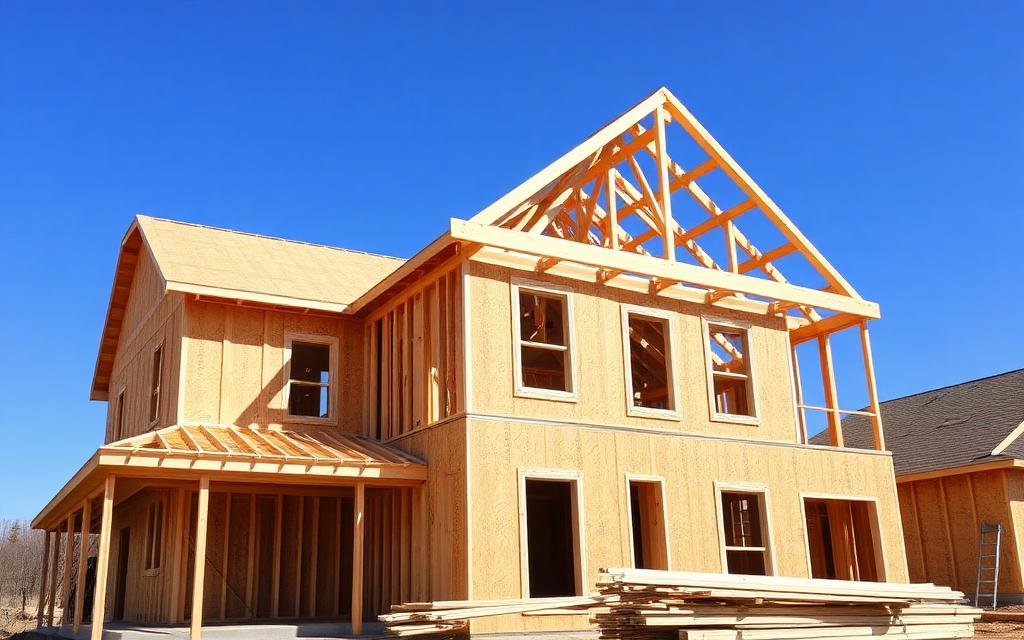
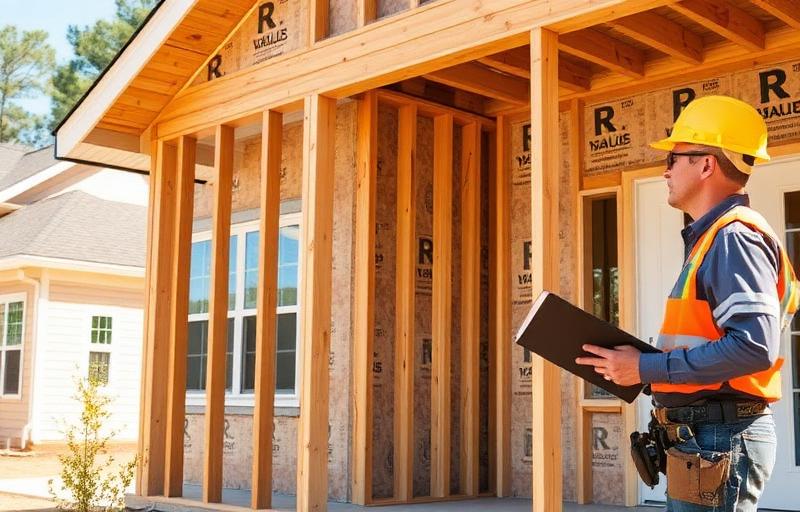
When you're building a new home, you have a window of opportunity that existing homeowners never get: the ability to insulate correctly from the ground up. Walls are open. Floors are accessible. Rim joists, crawl spaces, and attic decks are fully exposed before any drywall, flooring, or finished ceilings go in. Every cavity can be addressed properly. And the decisions made during this phase will directly affect your home's comfort, energy performance, and maintenance costs for the next 30 to 50 years.
Too often, insulation in new construction is treated as a line-item cost to minimize rather than a long-term investment to optimize. Builders work with tight budgets and tight schedules, and insulation is one of the easier places to cut corners when margins are squeezed. The homeowner usually doesn't notice until they're living in the house. Paying higher energy bills, dealing with rooms that never feel comfortable, or discovering that their brand-new HVAC system can't keep up on the hottest days of a Georgia summer.
At Iron Hive Insulation, we partner with builders and homeowners throughout Metro Atlanta to make sure that doesn't happen. As an experienced insulation contractor in Roswell, GA, we work on new builds across the region every week. Here's what you need to know about new construction insulation in Georgia.
Georgia Energy Code Requirements for New Homes
New residential construction in Georgia must comply with the 2021 International Energy Conservation Code (IECC) as adopted by the state. For Climate Zone 3, which covers Metro Atlanta and most of North Georgia, the minimum requirements are:
- Attic insulation: R-38 minimum
- Exterior wall cavity insulation: R-13 minimum, or R-20 with no additional continuous insulation
- Alternatively: R-13 cavity + R-5 continuous insulation on the exterior
- Floor insulation over unconditioned space (like a garage or vented crawl space): R-19 minimum
- Conditioned crawl space walls: R-13 minimum
These are floors, not ceilings. Meeting code gets you a house that passes inspection. It doesn't necessarily get you a house that performs at a high level over the long term. Homes built to exceed these minimums sell for more, cost less to operate, and deliver noticeably better comfort. We'll always show you what code requires and walk you through the options to exceed it. For a deeper dive into compliance, see our guide on insulation code requirements in Georgia.
It's also worth noting that Georgia's energy code requires blower door testing on new homes. A pressurization test that measures how airtight the building envelope is. Air sealing is not optional in new construction anymore; it's part of the code compliance process.
The Best Insulation Systems for New Metro Atlanta Homes
There's no single "best" insulation system for new construction. The right choice depends on your budget, performance goals, builder preferences, and the specific design of the home. Here are the systems we install most frequently and what each is best suited for:
Hybrid Spray Foam + Blown-In (Most Popular for Custom Homes)
The hybrid approach is the most popular system we install in custom new construction throughout Metro Atlanta, and for good reason. It combines the strengths of two products to get the best performance at a reasonable cost.
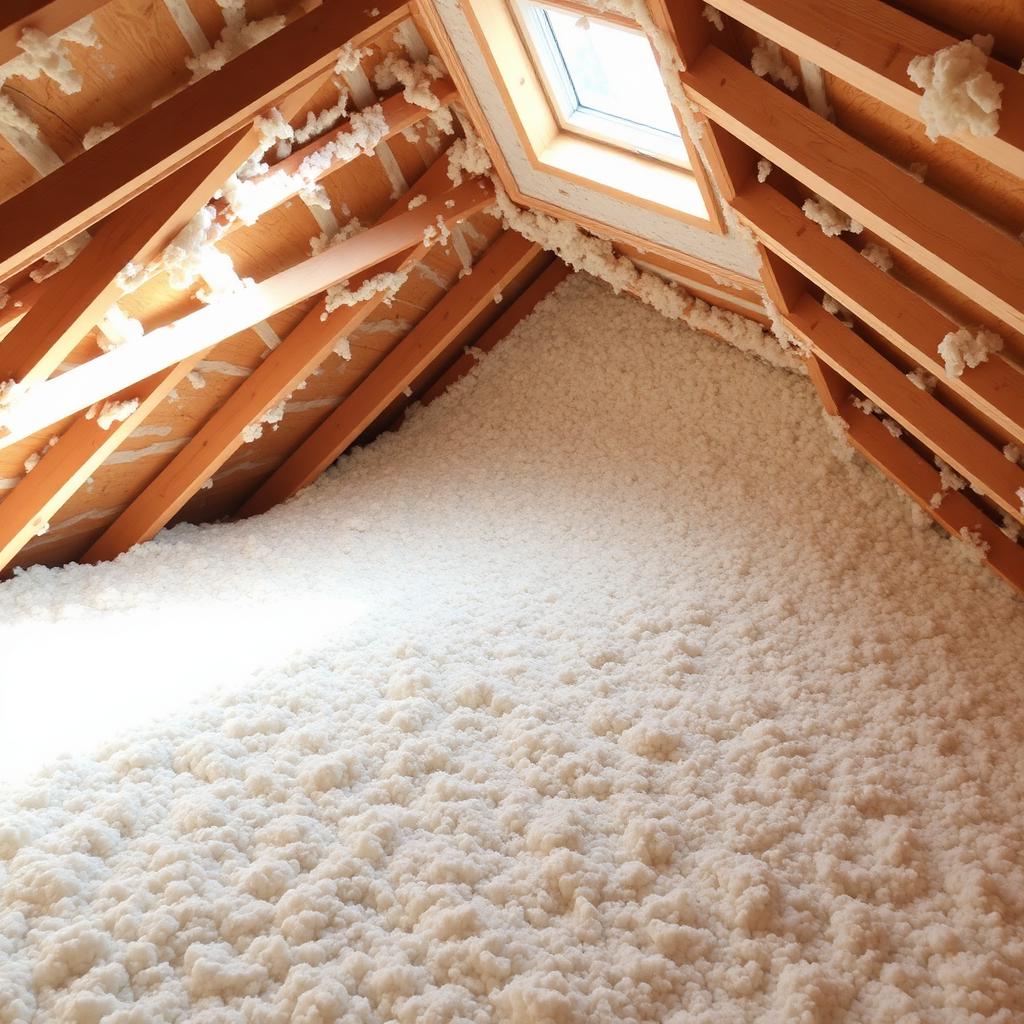
Closed-cell spray foam is applied in the critical locations: rim joists, band joists, and in some cases the exterior wall cavities. The spray foam provides an air seal and vapor barrier exactly where moisture risk is highest and air infiltration is most problematic. Then blown-in fiberglass or cellulose is used in the attic to achieve high R-value coverage across the entire attic floor at a lower cost per square foot than spray foam.
This system typically exceeds code requirements comfortably, passes blower door testing without issue, and delivers excellent real-world energy performance. It's also the approach that most experienced insulation contractors and building scientists recommend for Georgia's mixed-humid climate.
Full Spray Foam Envelope (Highest Performance)
For homeowners who want maximum energy efficiency, the ultimate new construction system is spray foam throughout. Closed-cell in the walls and rim joists, open-cell on the underside of the roof deck to create an encapsulated attic. This approach creates a fully conditioned building envelope with extremely low air infiltration rates.
The biggest advantage of a full spray foam envelope is what it does for your HVAC system. When the attic is encapsulated, all of your ductwork is inside the conditioned space. Meaning the air your system delivers stays at the right temperature from the air handler all the way to the register. It's the premium choice for high-performance homes, net-zero-ready builds, or homeowners who prioritize comfort and long-term energy savings over upfront cost.
Open-Cell Spray Foam in Walls + Attic Encapsulation
A middle-ground option that gives you the encapsulated attic benefit, with ductwork inside conditioned space, while using open-cell foam in the wall cavities rather than more expensive closed-cell. Open-cell foam provides excellent air sealing and sound deadening but has a lower R-value per inch and doesn't act as a vapor barrier, so it's better suited for interior applications like wall cavities rather than below-grade or high-moisture environments.
Blown-In Fiberglass or Cellulose with Air Sealing (Builder-Grade)
The most budget-conscious option that still meets code when installed correctly. Blown-in insulation in the attic paired with batt insulation in the wall cavities, combined with thorough air sealing at all penetrations and top/bottom plates, can produce a solid-performing home at the lowest upfront cost. The key is the air sealing. Blown-in insulation without proper air sealing will consistently underperform its rated R-value. Iron Hive includes air sealing as a standard part of every new construction install, not an optional add-on.
The Critical Role of Air Sealing in New Construction
Insulation slows heat transfer through materials. Air sealing stops air movement. And uncontrolled air movement is often what truly undermines a home's thermal performance, especially in Georgia's humid climate where that air carries significant moisture.
In new construction, there are dozens of penetration points that need to be properly sealed before insulation goes in:
- Top plates where walls meet the attic floor
- Bottom plates where walls meet the subfloor
- Electrical boxes, outlets, and switches on exterior walls
- Plumbing penetrations through floors and walls
- HVAC boot connections to the attic floor
- Recessed light fixtures that penetrate the ceiling
- Attic access hatches and pull-down stair openings
- Rim joists and band joists at the foundation level
Iron Hive addresses all of these as a standard part of every new construction install. Our crews coordinate with the framing, mechanical, and electrical trades to make sure penetrations are sealed before we insulate over them, not after. Getting the sequence right is critical. And it's one of the things that separates a professional insulation contractor from a low-bid crew that just blows in material and leaves.
Working with Builders in Metro Atlanta
Iron Hive Insulation has established partnerships with custom home builders, production builders, and general contractors across Metro Atlanta. We're experienced in working within build schedules, coordinating with other trades, and meeting local inspection requirements in Cherokee, Forsyth, Fulton, Cobb, and Gwinnett counties.
For builders, we offer competitive pricing, reliable scheduling, and documentation support for energy code compliance. Including blower door coordination and R-value certifications. We understand that your reputation is tied to the homes you build, and we treat every project accordingly.
For homeowners who are owner-building or working with a builder who doesn't have an insulation contractor yet, Iron Hive is happy to work directly with your team. We'll attend pre-construction meetings, review plans, and give you a detailed scope of work before the project begins.
We serve new construction projects across Roswell, Alpharetta, Milton, Canton, Cumming, Marietta, Johns Creek, Woodstock, Ball Ground, and surrounding North Atlanta communities.
Questions to Ask Your Builder About Insulation
If you're building a new home and working with a builder who handles insulation as part of the package, ask these questions before signing contracts:
- What R-value will the attic achieve at completion?
- Will spray foam be used at the rim joists and band joists?
- How are wall penetrations and top/bottom plates air sealed?
- Will the home undergo blower door testing, and what's the target air changes per hour?
- Where will the HVAC ductwork be located. In the attic, crawl space, or conditioned space?
- What insulation contractor will be doing the work, and are they licensed and insured?
The answers to these questions will tell you a lot about how seriously the builder takes energy performance. And how comfortable and efficient your finished home will be.
Get a New Construction Insulation Quote
Whether you're building your dream home or developing a neighborhood, Iron Hive Insulation delivers the quality and reliability your project requires. Contact us to discuss your plans and get a detailed, competitive quote for your new construction insulation scope.