Blown-In Insulation
Blown-in insulation is an efficient and cost-effective way to improve your home's energy efficiency and indoor comfort. This type of insulation is installed using specialized equipment that blows loose insulation material into attics, wall cavities, and other hard-to-reach spaces.
At Iron Hive Insulation, we install high-quality blown-in insulation to help homeowners reduce energy costs and create a more comfortable living environment.
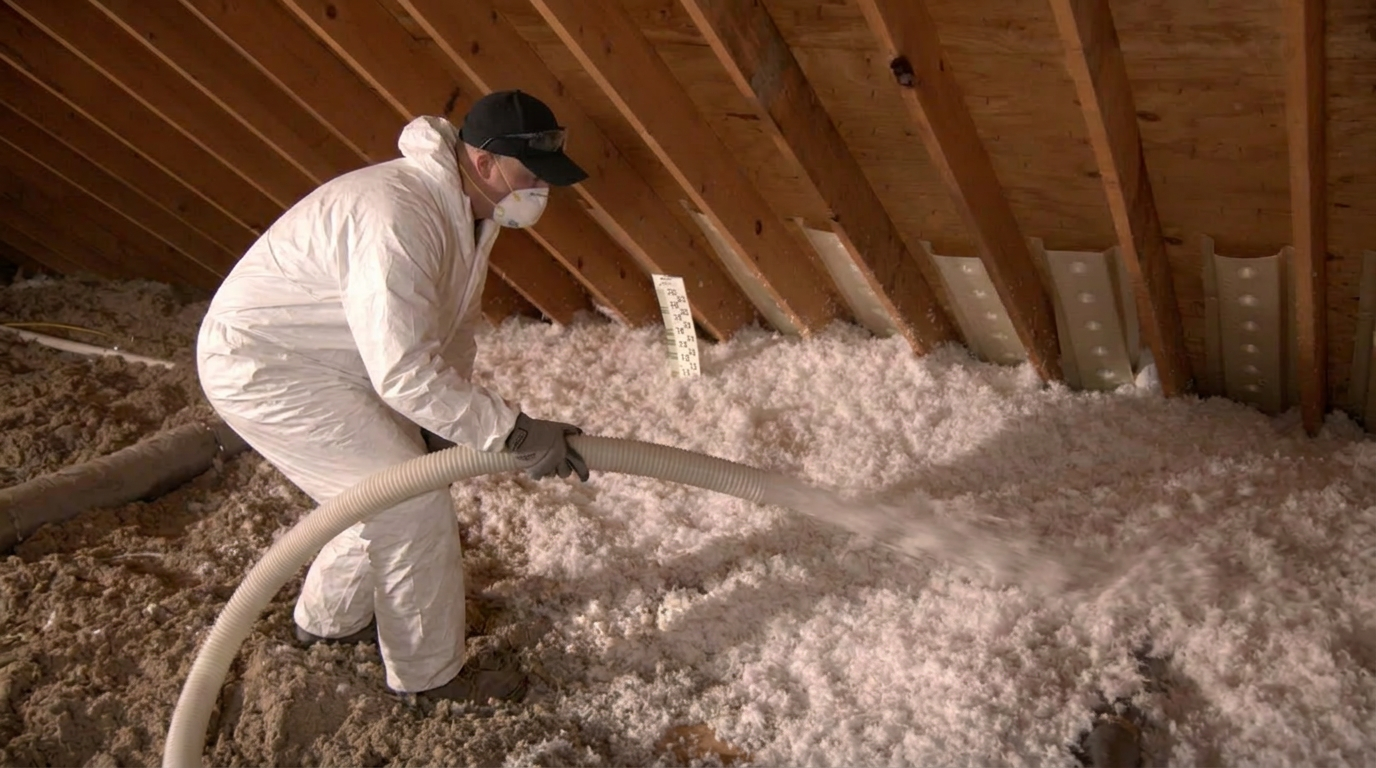
Before & After
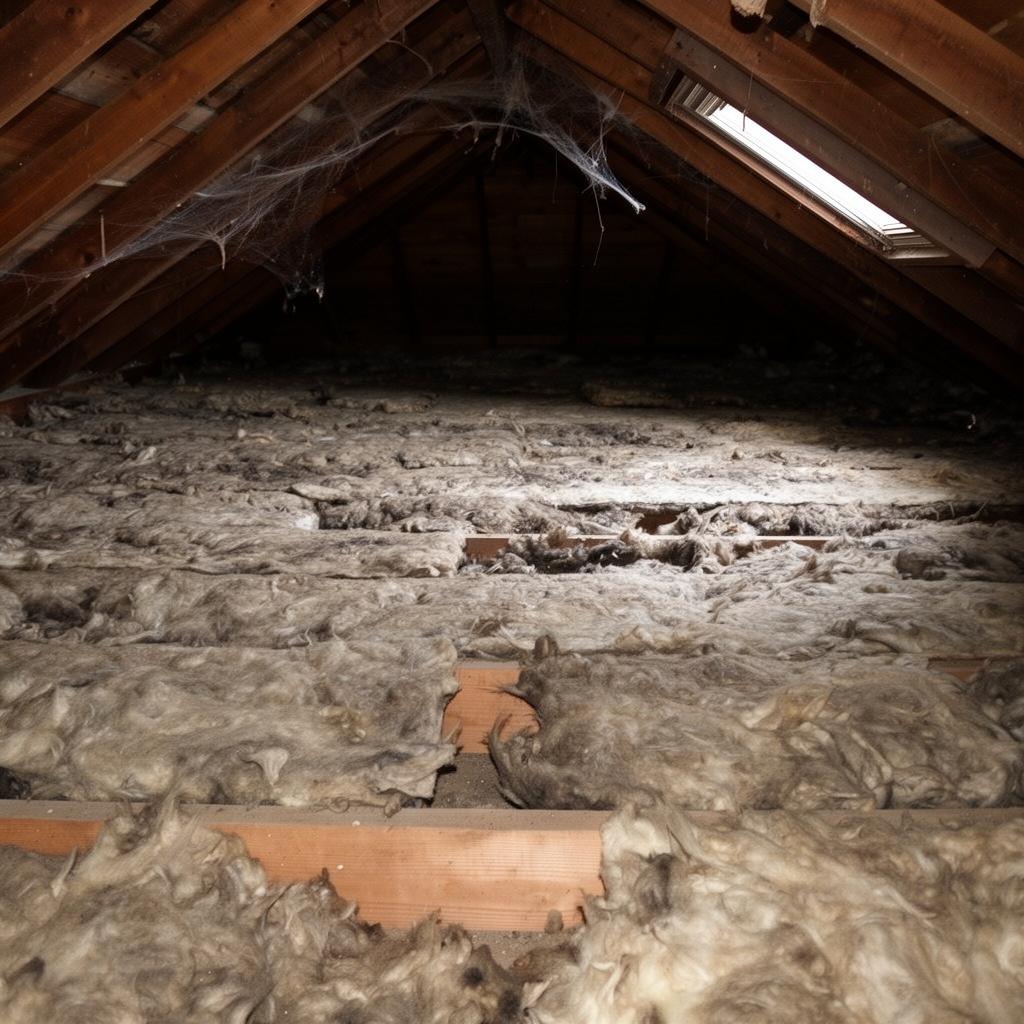
Before
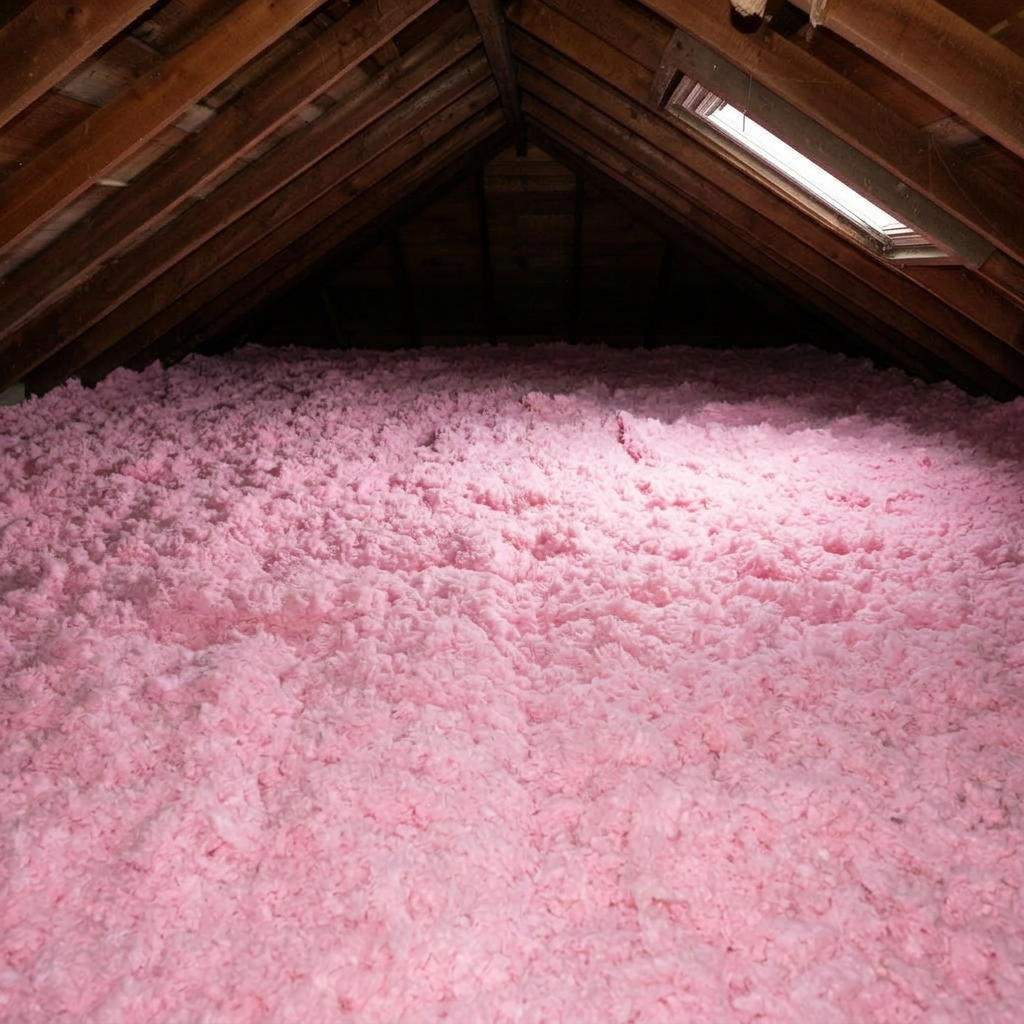
After
Types of Blown-In Insulation
Fiberglass Blown-In Insulation
Fiberglass blown-in insulation is made from tiny glass fibers and is one of the most widely used insulation materials for attics.
Benefits include:
- Non-combustible material
- Long-lasting performance
- Effective thermal insulation
- Resistant to moisture damage
Fiberglass blown-in insulation works well for improving attic insulation and helping maintain consistent indoor temperatures.
Cellulose Blown-In Insulation
Cellulose insulation is made primarily from recycled paper products treated with fire-resistant materials.
Benefits include:
- Environmentally friendly insulation option
- Excellent coverage in tight spaces
- Helps reduce air movement
- Effective sound dampening
Cellulose is often used in attic insulation upgrades and dense-pack wall insulation.
Where Blown-In Insulation Is Used
Blown-in insulation can be installed in many areas of a home, including:
It is especially effective for adding insulation to existing homes without removing drywall.
Benefits of Blown-In Insulation
Homeowners choose blown-in insulation because it provides strong performance and great value.
Upgrading insulation with blown-in material can significantly improve your home's overall energy efficiency.
Learn how proper insulation can cut your energy bills by 30%. Our Roswell insulation team provides blown-in insulation throughout North Atlanta, and it's the go-to attic top-off for the settled 1990s attics we see in Smyrna and the thin original batts common in Tucker.
Blown-In Insulation FAQs
Get a Free Blown-In Insulation Estimate
If your attic or walls are under-insulated, blown-in insulation may be the perfect solution.
Iron Hive Insulation provides professional insulation installation to help homeowners improve comfort, reduce energy bills, and protect their homes year-round.
Explore More Insulation Resources
Compare with related services, see where we work across Metro Atlanta, and read in-depth guides.
Nearby Cities We Serve
From Our Resource Center
- Blown-In Insulation Install Day: What Actually Happens in Your Metro Atlanta Home, Hour by Hour
Blow in insulation is one of the fastest home insulation upgrades there is. Usually done in a single day. Here's what happens from the moment the truck pulls up to the final depth check, and how to get your house ready.
- Is It Worth Insulating Your Garage in Metro Atlanta? Here's the Honest Answer
Most garages in Canton, Woodstock, and Alpharetta are the least insulated space attached to the house — and the biggest hole in the home's comfort and energy performance. Whether yours needs insulation depends on how you use it, and the answer is more nuanced than a simple yes or no.
- Built in 1975, 1995, or Last Year? What Your Home's Age Says About Its Insulation in Metro Atlanta
The insulation problems we find in a Tucker ranch are nothing like the ones we find in a Buford house built in 2019. The era a home was framed in tells you almost everything about what is wrong in the attic. Here is a decade-by-decade guide to Metro Atlanta housing stock and what each generation of homes actually needs.
Request Your Free Estimate
Fill out the form and we'll buzz you back as soon as possible. For urgent needs, call us directly.