Attic Insulation in Metro Atlanta: What Type, How Much, and When to Replace It
If you want to get the most bang for your buck on home comfort and energy efficiency in Metro Atlanta, start at the top. Literally. Your attic is ground zero for energy loss in a Georgia home, and most homeowners are losing hundreds of dollars a year, sometimes more, because their attic insulation is outdated, insufficient, or failing altogether. We find settled, patchy attic insulation just as often in newer townhomes as in older bungalows, which is why Smyrna homes can need very different attic packages street to street.
During a hot Georgia summer, attic temperatures can exceed 150°F. Without proper insulation separating that heat from your living space, it radiates down through your ceilings, forces your air conditioner to run constantly, and makes your home feel stuffy and uncomfortable no matter what you set the thermostat to. In winter, an under-insulated attic lets your heated air escape straight out the roof.
The good news: a properly insulated attic is one of the single highest-return investments you can make in your home. As a leading insulation contractor in Roswell, GA, we tackle attic projects across Metro Atlanta every day. This guide covers everything homeowners need to know. What R-value you need, which insulation types work best in Georgia's climate, how long insulation lasts, and the warning signs that it's time for an upgrade.
What R-Value Do You Need in Metro Atlanta?
R-value is the measurement of how well insulation resists heat flow. The higher the number, the more effective the insulation. For Metro Atlanta and most of North Georgia (Climate Zone 3), the U.S. Department of Energy recommends:
- Uninsulated attics: R-30 to R-60
- Attics with existing insulation being topped off: R-25 to R-38
Most homes built before 2000 fall significantly short of these targets. In fact, it's common for Iron Hive crews to open up an attic in an older Roswell or Marietta home and find only 4–6 inches of insulation. Providing R-13 or less when the home should have closer to R-38 or higher. That gap is costing the homeowner real money every single month. For full code details, see our Georgia insulation code guide.
One important nuance: R-value on paper doesn't always equal R-value in practice. If insulation is compressed, wet, or has significant air leaks around it, its effective performance drops considerably. This is why air sealing alongside insulation is so critical. More on that below.
The Best Types of Attic Insulation for Georgia Homes
Not all insulation is created equal, and different products serve different purposes in an attic. Here's what we commonly install and recommend in Metro Atlanta homes:
Blown-In Fiberglass
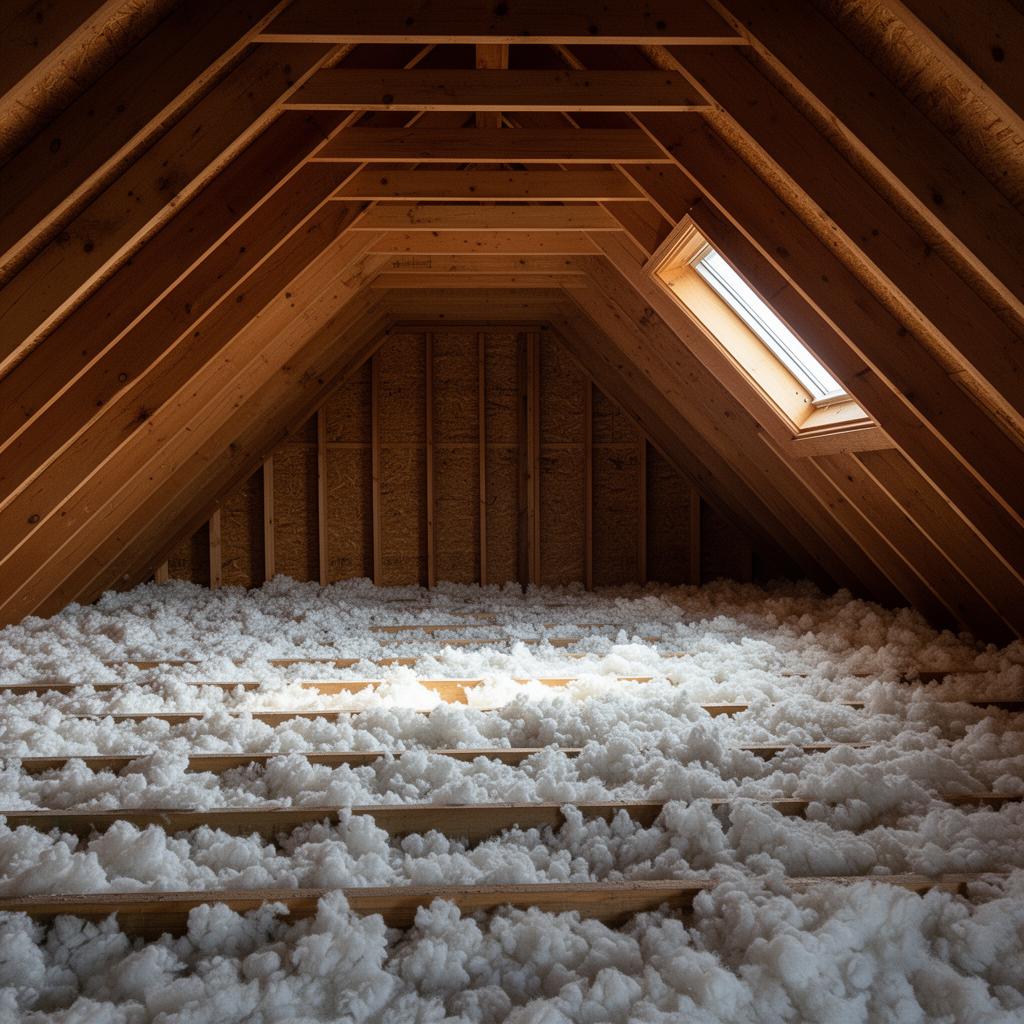
Blown-in fiberglass is one of the most popular attic insulation products in the Southeast, and for good reason. It's installed using a machine that blows loose fibers into the attic space, filling gaps and irregular cavities that batt insulation simply can't reach. Fiberglass is moisture-resistant, doesn't settle significantly over time, and provides consistent R-value across the attic floor. It's also relatively fast to install and cost-effective, making it a great choice for homeowners who want a meaningful performance upgrade without a premium price tag.
Blown-In Cellulose
Cellulose is made from recycled paper products and is treated with fire retardant. Like fiberglass, it's blown in using a machine and conforms well to irregular attic spaces. Cellulose has a slight edge over fiberglass when it comes to air resistance. Its denser composition makes it somewhat harder for air to move through. It's also an environmentally friendly choice. The trade-off is that cellulose can absorb more moisture than fiberglass if there's a water intrusion event, so it's important to address any roof or ventilation issues before installation.
Open-Cell Spray Foam (Attic Encapsulation)
Rather than insulating the attic floor, spray foam applied to the underside of the roof deck creates what's called a conditioned attic. A space that's thermally connected to the rest of the home rather than exposed to outdoor temperatures. This approach is increasingly popular in Metro Atlanta because it solves a problem that blown-in insulation can't: it keeps your HVAC ductwork in a conditioned space.
Most Atlanta-area homes have their ductwork running through the attic. When that attic hits 150°F in July, even perfectly sealed ducts lose efficiency because the air inside them heats up during delivery. By encapsulating the attic with spray foam, you bring the ductwork inside the thermal envelope. And HVAC efficiency improves dramatically as a result. Many homeowners report noticeable comfort improvements and energy bill reductions of 20–30% after attic encapsulation.
Fiberglass Batts
Pre-cut fiberglass batt panels fit between attic joists and are a common sight in new construction. They're easy to install in controlled conditions but harder to retrofit effectively in older homes with irregular joist spacing, obstacles, and existing insulation. In most retrofit situations, blown-in insulation performs better than batts at filling gaps and achieving consistent coverage. Batts are best used in combination with blown-in for specific applications, like covering a pull-down attic stair opening.
Do You Need Air Sealing Too?
Air sealing is not the same as insulation, but the two work together. And skipping air sealing significantly reduces the effectiveness of any insulation upgrade. In a typical older home, there are dozens of gaps and penetrations in the attic floor where air moves freely between conditioned and unconditioned space: around light fixtures, plumbing stacks, electrical wires, HVAC boots, top plates, and more.
Iron Hive always assesses air sealing needs as part of any attic insulation project. In many cases, we seal these penetrations with spray foam or caulk before adding blown-in insulation. The result is a much tighter home that holds temperature better, has fewer drafts, and puts less strain on your HVAC system.
How Long Does Attic Insulation Last?
Most attic insulation is rated to last 20–30 years under normal conditions. However, several factors specific to Georgia can shorten that lifespan:
- Moisture infiltration from roof leaks, condensation, or improper ventilation causes insulation to clump, grow mold, and lose R-value
- Pest activity. Rodents, squirrels, and insects can shred and contaminate insulation quickly
- Physical disturbance from HVAC work, pest control treatments, or attic storage can compress or displace insulation
- Age-related settling, particularly in older cellulose installations, reduces coverage over time
Even if your insulation isn't failing outright, it may simply not have enough R-value for today's energy code standards. In some cases, insulation removal is needed before a fresh install can do its job.
Warning Signs Your Attic Insulation Needs Attention
Watch for these red flags that your attic insulation may need to be upgraded or replaced:
- Your energy bills have increased year over year with no clear explanation
- The rooms directly below your attic are noticeably hotter in summer or colder in winter than the rest of the house
- You can see the tops of the floor joists when you look into your attic. Insulation should cover them completely
- The insulation looks compressed, dirty, wet, or discolored
- You've had a pest intrusion in the attic in the past few years
- Your home is more than 15–20 years old and the insulation has never been upgraded
- Your HVAC system runs almost constantly during Georgia summers but still struggles to keep up
- You notice musty smells, which can indicate mold in degraded insulation
How Iron Hive Approaches Attic Insulation
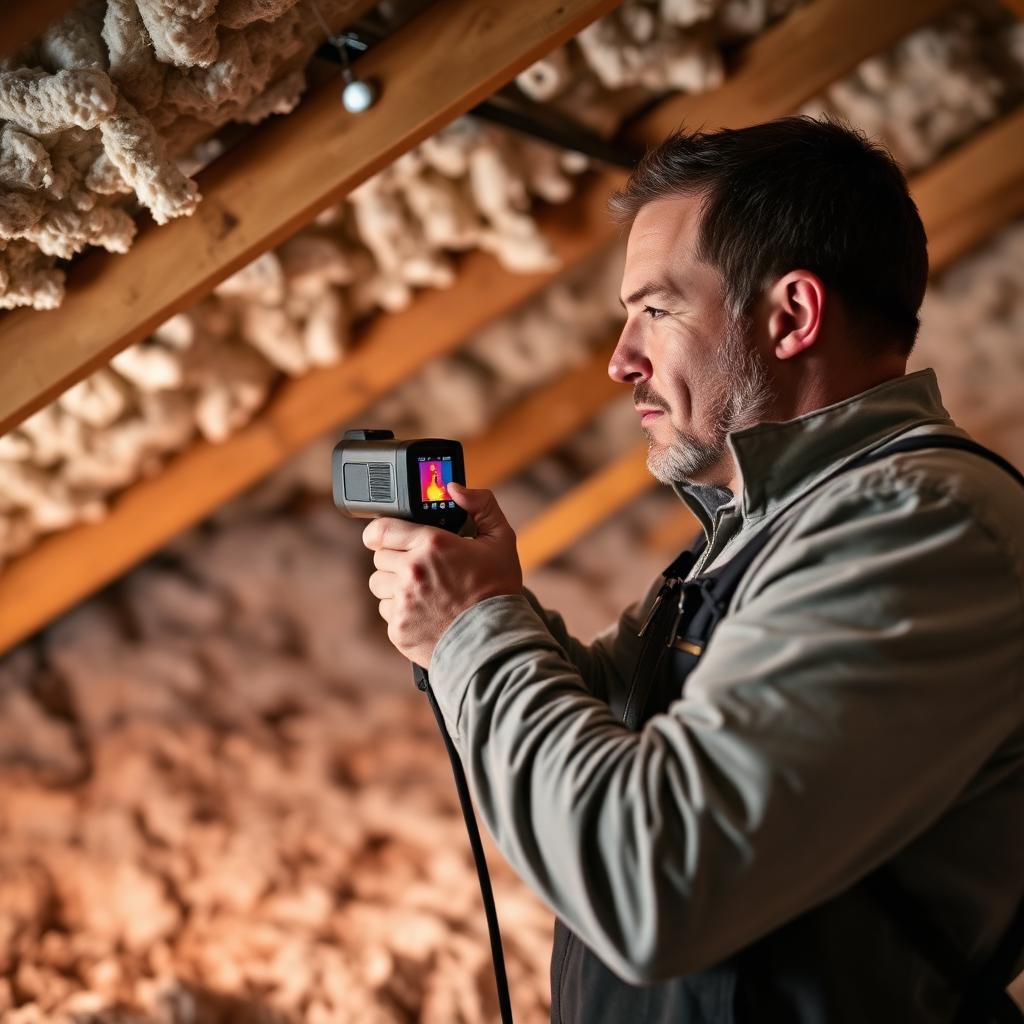
At Iron Hive Insulation, we don't just blow in material and move on. Every attic insulation project starts with a thorough walkthrough. We assess current R-values, look for signs of moisture damage or pest activity, check attic ventilation, identify air sealing opportunities, and evaluate the condition of any ductwork in the space. Only then do we recommend a specific solution for your home.
We don't do one-size-fits-all packages. A 1,200-square-foot bungalow in Marietta has different needs than a 4,000-square-foot home in Alpharetta. Our goal is to give you the most effective upgrade for your specific situation and budget.
We serve homeowners across Metro Atlanta including Roswell, Alpharetta, Marietta, Johns Creek, Cumming, Canton, Sandy Springs, Woodstock, and surrounding communities. Our team is licensed, insured, and focused exclusively on insulation. Which means you're working with a specialist, not a generalist contractor who does insulation on the side.
Ready for a Free Attic Insulation Assessment?
Don't let another Georgia summer turn your attic into a furnace that your air conditioner can't overcome. Contact Iron Hive Insulation today for a free, no-obligation estimate. We'll take a look at what's up there, tell you exactly what your home needs, and give you a clear quote. No pressure, no upsell.