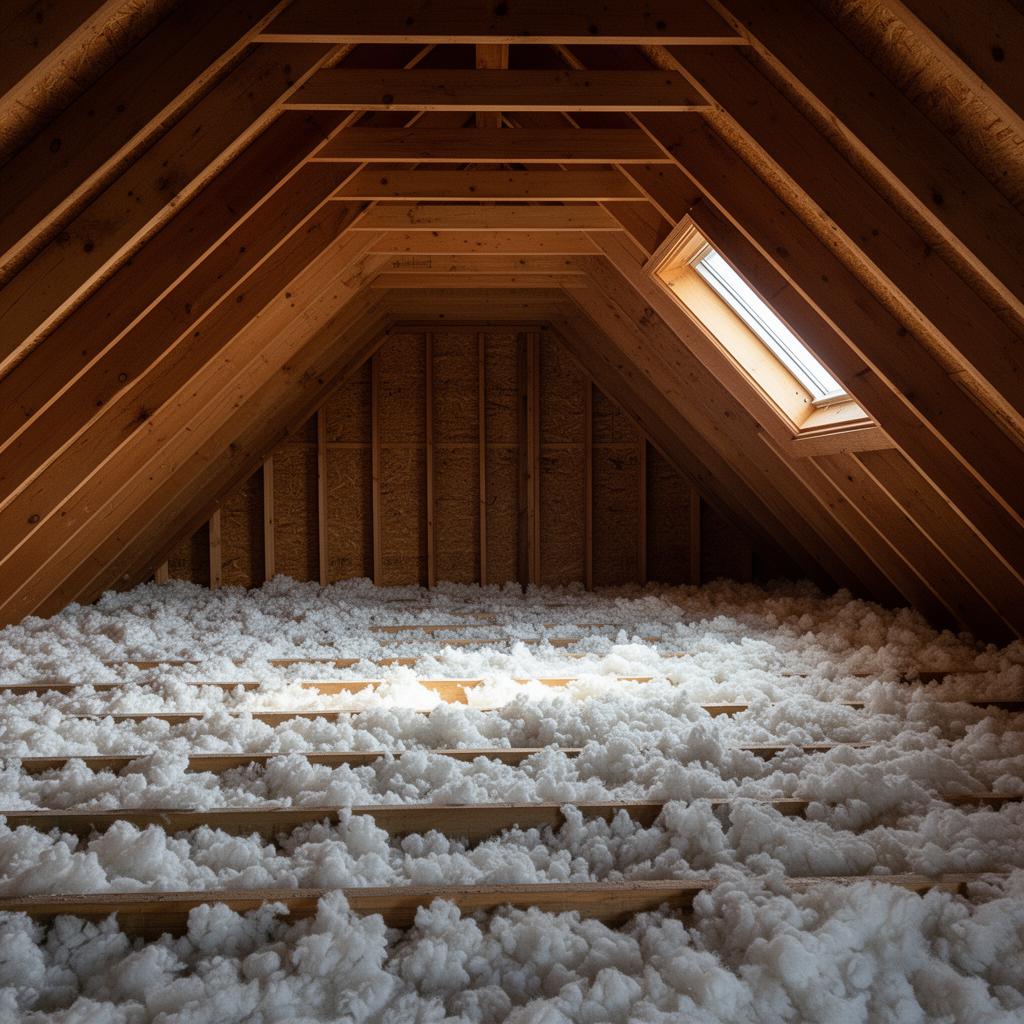
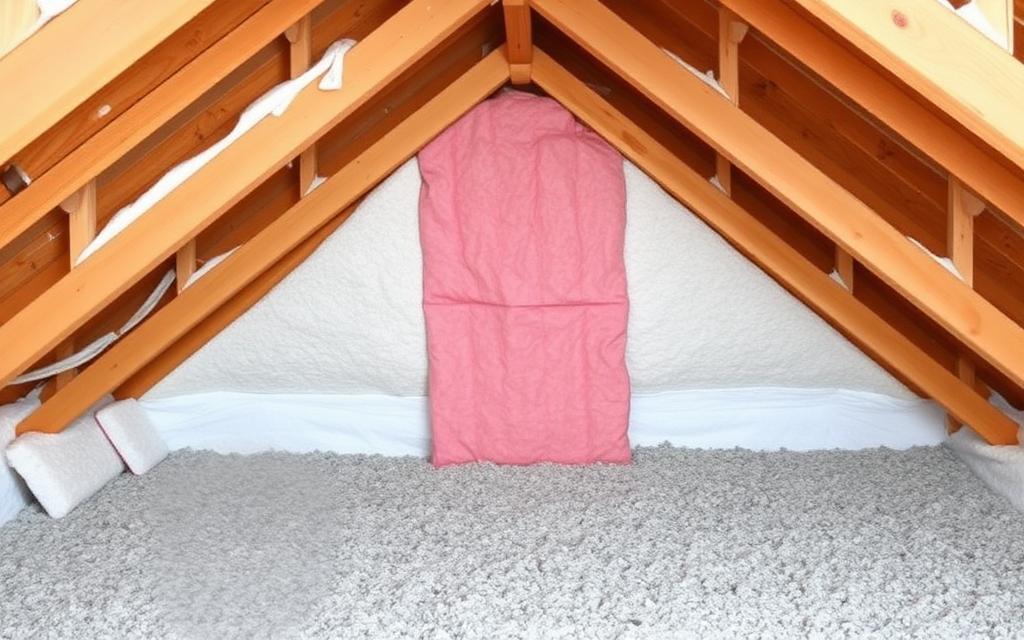
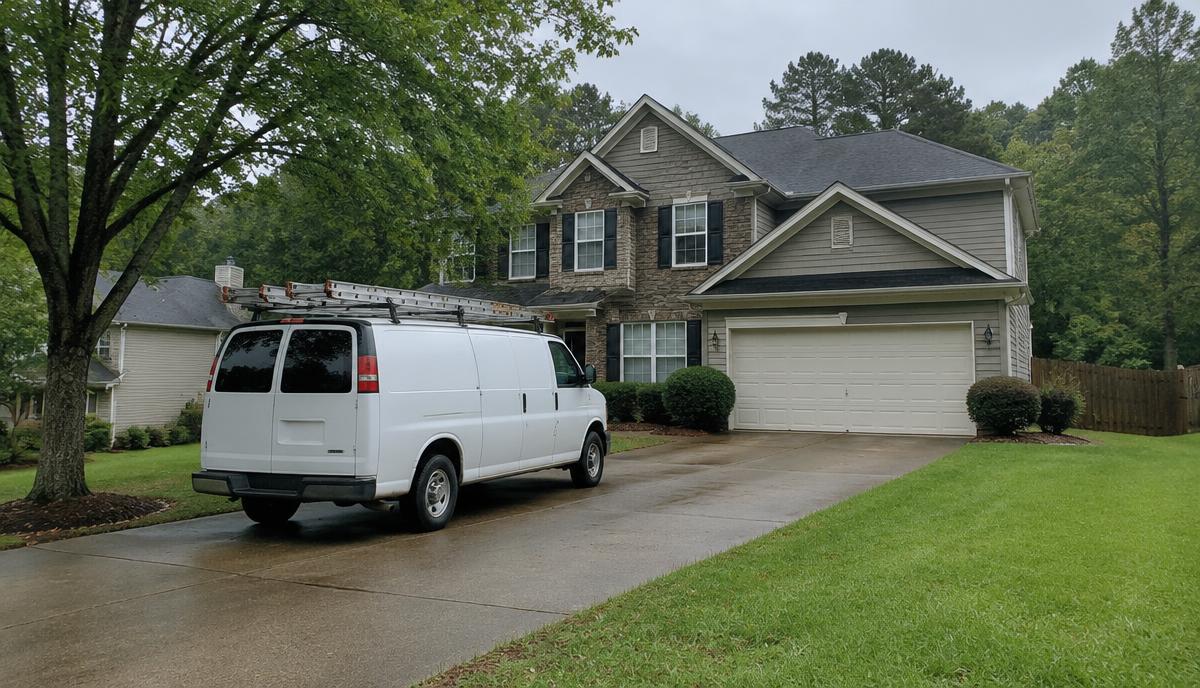
Blown-In Insulation Install Day: What Actually Happens in Your Metro Atlanta Home, Hour by Hour
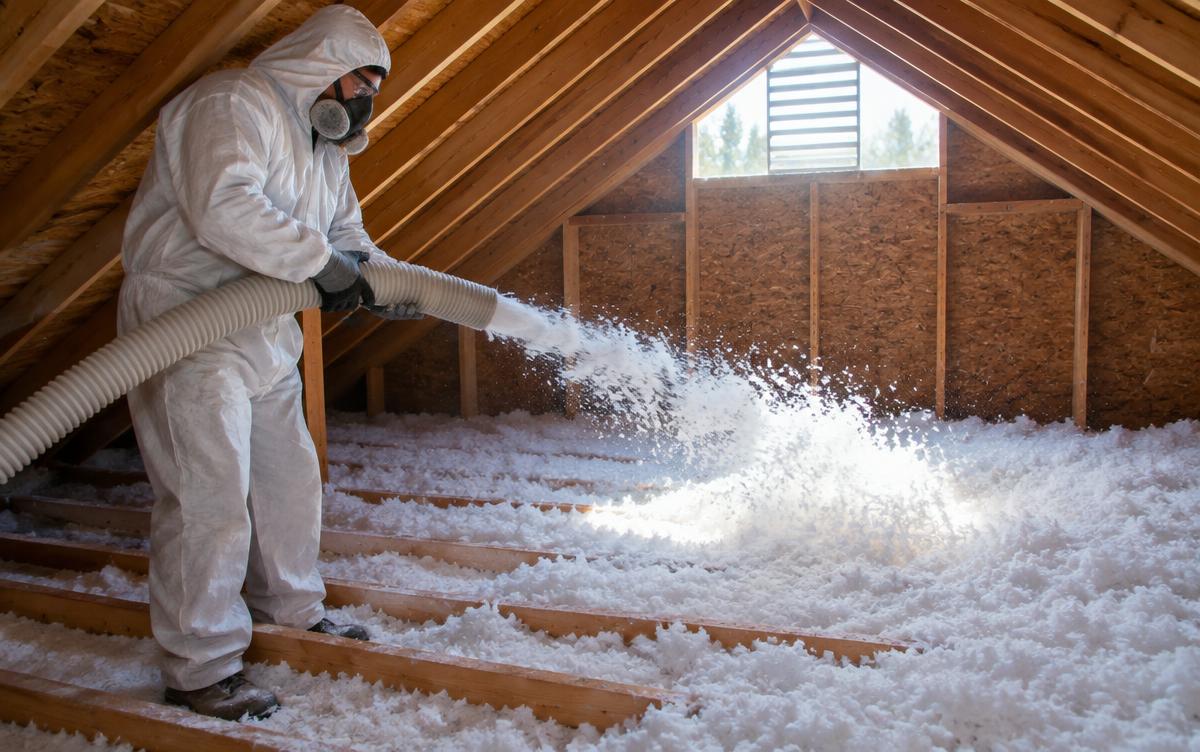
Most homeowners picture an insulation job as a multi-day disruption. Blow in insulation usually isn't. For a typical Metro Atlanta attic, the whole thing, prep, air sealing, blowing, and cleanup, fits inside one working day, and you can stay home the entire time.
What surprises people is how much of that day isn't spent blowing insulation at all. The hose work is the fast part. The steps before it decide whether the new layer actually performs. If you want the background on materials and depth first, our attic insulation guide covers that. This post is about the day itself.
Before the Crew Arrives: 15 Minutes of Prep on Your End
You don't need to empty the house. You do need to clear a path.
- Clear the attic access. If the hatch is in a closet, pull out the clothes and shelving underneath it. If it's a pull-down ladder in the garage, move the car out or leave room to set up.
- Make a straight line from the front door to the access. The hose runs from the truck outside, through the house, to the attic. Moving a rug or a hallway table saves time.
- Tell us about anything stored up there. Boxes sitting on the attic floor get buried otherwise. We can work around a small storage area or help you plan to relocate it.
- Keep pets in a closed room. Doors stay open for the hose, and nobody wants a dog investigating the machine.
Hour One: Walkthrough and Protection
The crew lead walks the attic before anything gets unloaded. They're checking the existing insulation, looking for signs of moisture or pests, confirming where recessed lights, bath fans, and the HVAC equipment sit, and noting the soffit vents along the eaves.
Then the house gets protected. Drop cloths go down along the hose path and under the attic opening. Loose fill is light and it drifts. Covering floors first is what keeps cleanup short.
If that walkthrough turns up wet, moldy, or rodent-contaminated insulation, the plan changes. Blowing new material over a problem buries it. That's a removal job first, and we'll tell you before anything else happens.
Hours Two and Three: The Part Most People Skip. Air Sealing
Here's where a good install separates from a fast one. Before new insulation goes down, the gaps in the attic floor get sealed: holes where wiring and plumbing pass through the top plates, gaps around the chimney chase, open soffits over kitchen cabinets, and the attic hatch itself.
Loose fill slows heat. It doesn't stop air. If conditioned air keeps leaking up through those holes, it carries heat and humidity right through the new layer. Sealing first is what makes the insulation perform close to its rating. Our air sealing page goes deeper on where those leaks hide.
This is also when baffles go in at the eaves. They keep the new insulation from spilling into the soffit vents, so the attic can still breathe.
Hours Three to Five: Blowing the Insulation
Now the machine outside starts feeding material through the hose. One person runs the hopper at the truck; another works the hose in the attic, moving from the far corners back toward the hatch so they never have to crawl over fresh insulation.
A few things happen along the way that you won't see from downstairs:
- Depth rulers get stapled to the framing across the attic so the finished level can be checked, not guessed.
- Recessed lights and flues get clearance. Older can lights and hot flues need a dam or a gap around them. That's a safety step, not a shortcut.
- The material is blown to an even depth, including the hard-to-reach low edges near the eaves, which is exactly where rushed jobs come up short.
Fiberglass and cellulose are both blown the same way. If you're still deciding between them, our spray foam vs fiberglass vs cellulose comparison lays out the trade-offs.
The Last Hour: Hatch, Cleanup, and Your Walkthrough
The attic hatch gets insulated and weatherstripped. Otherwise it's an uninsulated hole in the middle of a brand-new layer. Then the hose comes out, drop cloths get rolled up, and the path gets vacuumed.
Before the crew leaves, ask to see photos of the finished attic, including the depth rulers. A good contractor will offer them anyway. You shouldn't have to climb up there yourself to know the job was done right.
What You'll Notice Afterward
- No curing, no smell, no waiting. Unlike spray foam, blown-in insulation doesn't need to cure. You can use the house normally the moment the crew leaves.
- Upstairs rooms settle down first. The ceiling under the attic stops radiating heat in summer, so second-floor bedrooms are usually where homeowners feel the difference soonest.
- The HVAC runs shorter cycles. Less heat coming through the ceiling means the system reaches the setpoint and shuts off sooner.
When Blown-In Isn't the Right Call
Blown-in is excellent for open attic floors. It's the wrong tool for some spots:
- Rooflines of conditioned attics and sloped ceilings, where foam applied to the underside of the roof makes more sense.
- Crawl spaces and rim joists, where moisture control matters more than loose fill can handle.
- Attics with active leaks. Fix the roof first.
If your house has a mix of these, the answer is often blown-in on the open attic floor plus a different approach elsewhere. We'll walk you through that on the estimate.
Ready to Book Your Install Day?
Iron Hive handles blown-in insulation across Metro Atlanta. From Roswell and Alpharetta to Marietta and Lawrenceville. See what's included on our blown-in insulation service page, then request your free estimate or call 678-606-HIVE (4483). We're open Mon–Sun, 7 AM to 7 PM. And you can request a quote anytime.