Is It Worth Insulating Your Garage in Metro Atlanta? Here's the Honest Answer
Ask ten homeowners whether their garage is insulated and nine of them have to go look. That is not an accident. Builders treat the garage as outdoor space with a roof on it, and most insulation packages stop at the wall between the garage and the house.
The result is a room that swings from 40 degrees in January to well over 100 in July, sitting right next to the most expensive conditioned air in your home. Whether that matters to you depends entirely on what the garage is doing for your household.
Here is how to think about it if you live in Canton, Woodstock, Alpharetta, or anywhere else across Metro Atlanta.
Start With the Question That Actually Matters
Insulating a garage is not automatically worth it. It is worth it when the garage's temperature affects something you care about. That usually means one of four situations:
- A room sits over or beside the garage. This is the big one, and we covered it in detail in our bonus room over the garage breakdown. If there is finished space above, the garage ceiling is part of your home's thermal boundary, full stop.
- You work out there. A home gym, a workshop, a place where the kids' sports gear lives — if a human being spends real time in the space, uninsulated is a problem in both seasons.
- Your water heater or HVAC equipment lives in the garage. Equipment sitting in a 105-degree box in August works harder and wears out faster, and hot or cold air leaking around it goes straight into the house.
- You are planning to convert or finish the space. A garage conversion without a proper insulation and air sealing plan is a sunroom that will never be comfortable. Get the envelope right before the flooring goes down.
If the garage is strictly for parking cars and storing paint, full conditioning is overkill. But even then, two parts of it still deserve attention.
The Wall That Matters Most Is the Shared One
The wall between the garage and the house is not an interior wall. It is an exterior wall that happens to have a garage attached to it, and Georgia's energy code treats it that way.
In older homes across Marietta, Roswell, and Smyrna, we routinely find this wall with no insulation at all, or with batts that have fallen down inside the cavity over the years. Every summer afternoon, the garage bakes to well past outdoor temperature, and that shared wall radiates heat straight into the kitchen, the laundry room, or the bedroom on the other side.
Insulating that wall to the same standard as the rest of the house — plus air sealing the top and bottom plates, the electrical boxes, and especially the door between the garage and the house — is the single highest-value insulation job in most garages. It is also the cheapest, because it is one wall.
One warning: if that door between the garage and house does not self-close and seal tightly, fix that too. It is not just a comfort issue. It is the path exhaust fumes and carbon monoxide would take, and it is part of the fire separation between the two spaces.
The Ceiling: Two Different Jobs
If there is attic space or a room above the garage, the ceiling needs real insulation — blown-in or batts to the same R-value as the rest of your attic, with the gaps at the edges sealed. This is where a lot of bonus rooms and upstairs bedrooms get their summer heat, and upgrading it is one of the more satisfying jobs we do because the difference shows up on the first hot afternoon.
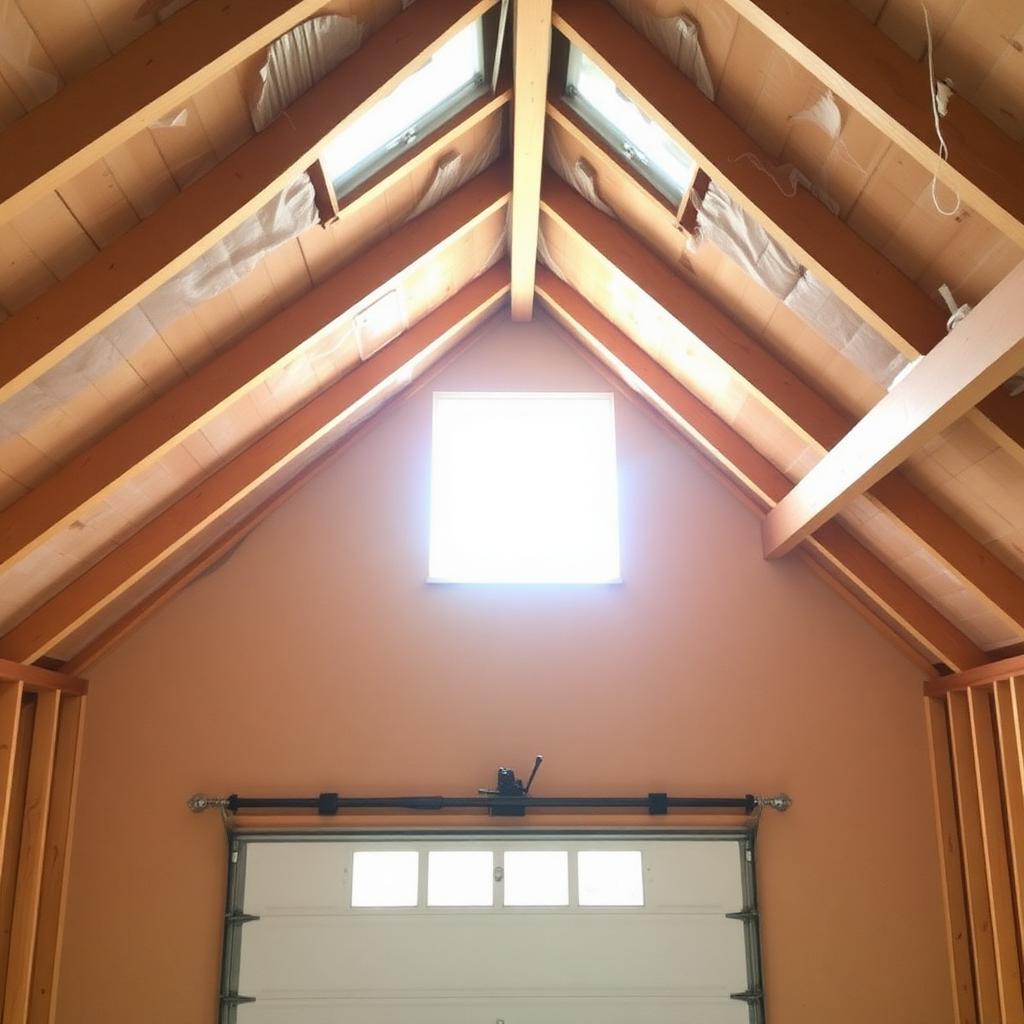
If there is nothing above the garage but roof, ceiling insulation is optional. It will knock ten or fifteen degrees off the peak summer temperature and keep the space above freezing on cold nights, which is worth doing if you work out there or store anything temperature-sensitive. Blown-in insulation over an existing garage ceiling is a fast, inexpensive job — usually half a day.
Walls and the Garage Door Itself
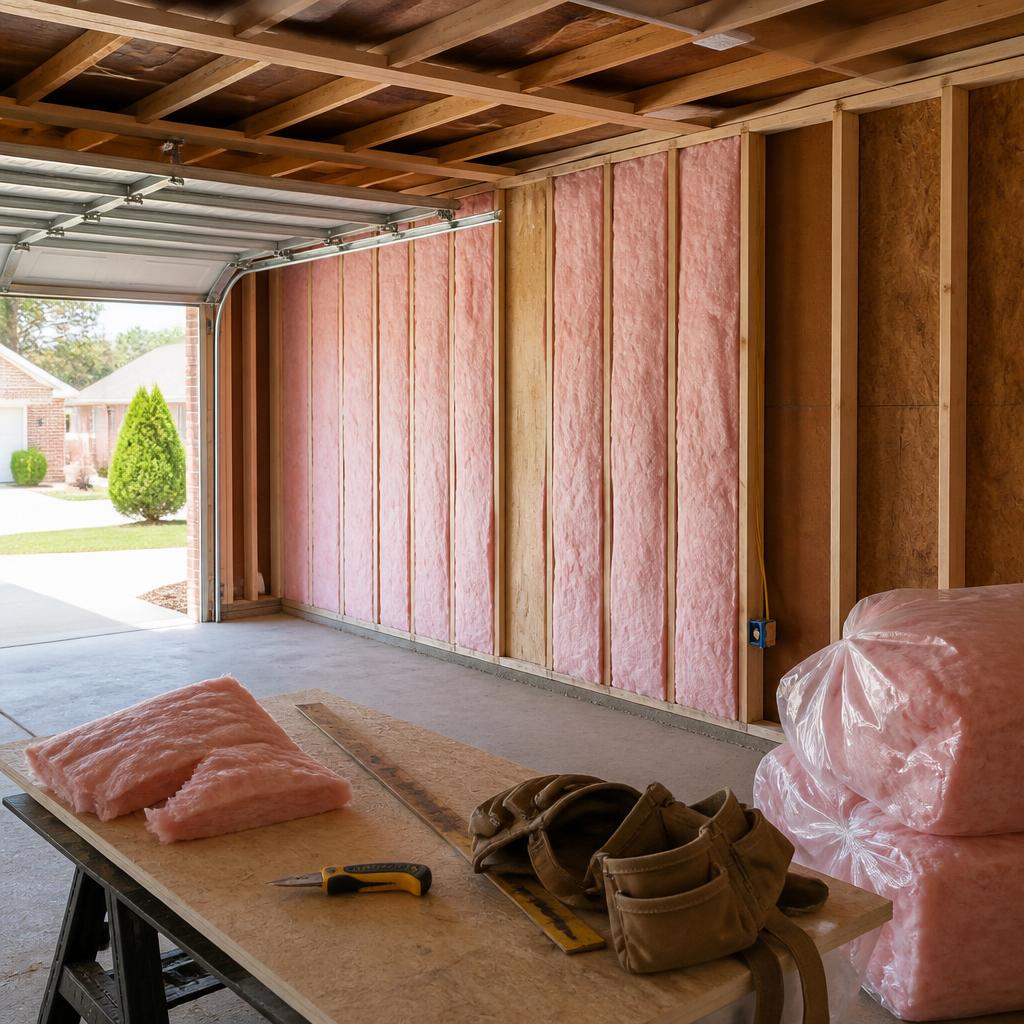
The exterior garage walls only earn their insulation if you intend to spend time out there. If you do, batt insulation in the stud bays is the straightforward approach, and it needs a proper air barrier behind whatever wall covering you choose.
The garage door is the weak link no wall insulation can fix. A standard uninsulated steel door is essentially a giant piece of sheet metal. Insulated replacement doors carry meaningful R-value and run quieter, and retrofit insulation kits exist for existing doors — just know that a kit door still leaks air around the perimeter unless the weatherstripping is in good shape. If the door faces west and takes the afternoon sun, upgrading it does more for garage temperature than anything you put in the walls.
What About Spray Foam?
Closed-cell spray foam has a specific role in garages: the roofline. If you want the garage genuinely conditioned — a workshop you will heat and cool — foaming the underside of the roof deck brings the whole attic volume inside the envelope and performs far better than trying to insulate a vented garage attic.
For the standard case — a storage garage where you want the shared wall, ceiling, and door handled — batts and blown-in do the job for a fraction of the cost. We will tell you honestly which situation yours is.
The Order That Makes Sense
If you are deciding where to spend, this is the priority list we use on assessments:
- First: the shared wall, the house-side door, and all air sealing between garage and house.
- Second: the garage ceiling, especially if there is finished space above it.
- Third: an insulated garage door, particularly on west-facing doors.
- Fourth: exterior walls and the roofline, only if you plan to condition the space.
Most homes need the first two. Plenty need three. The fourth is a lifestyle decision, not a defect.
What It Costs and What It Saves
Garage insulation is one of the less expensive projects we do because the square footage is small and access is easy. A shared wall and ceiling on a typical two-car garage is usually a one-day job. The payoff shows up less as a line item on your power bill and more as a kitchen that stops cooking every July afternoon and a bonus room that finally matches the thermostat. For the broader math on what drives project pricing, our Metro Atlanta insulation cost guide breaks it down.
Where We Come In
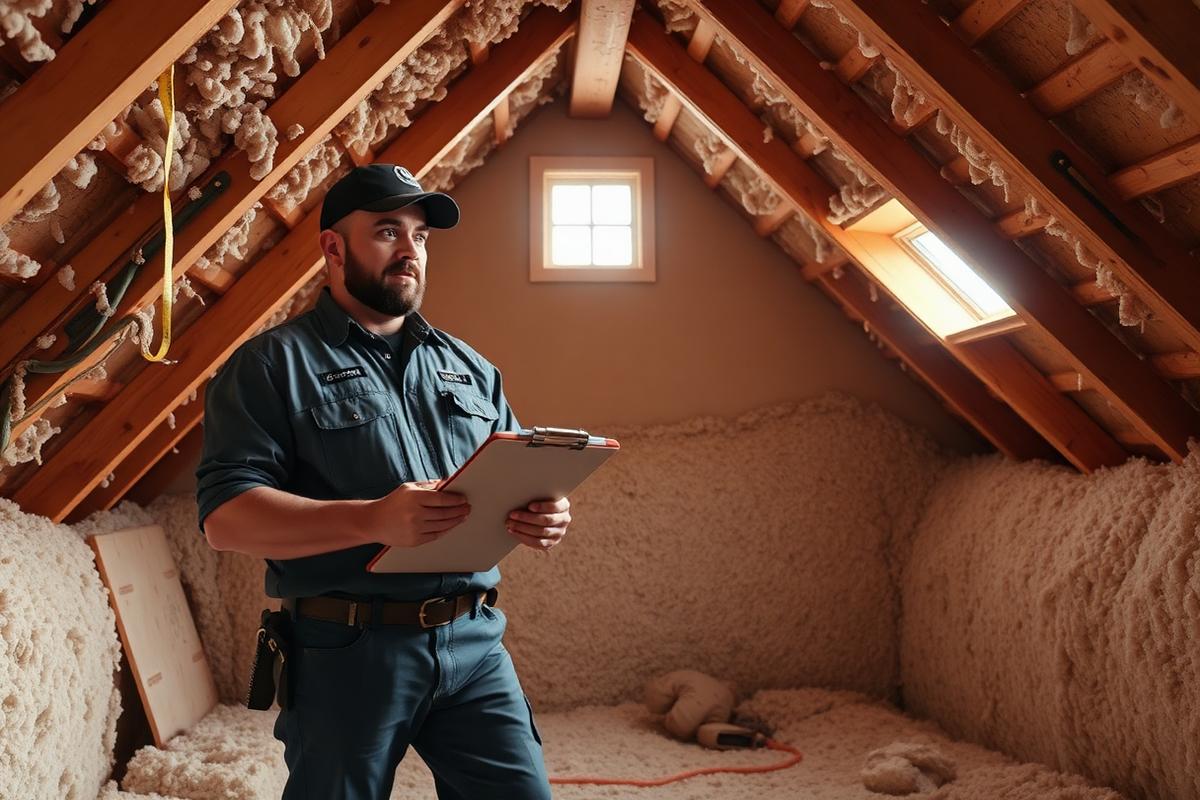
If your garage shares a wall or ceiling with living space anywhere from Holly Springs and Milton down to Brookhaven and Tucker, it is worth a look. We will tell you which of the four priorities your garage actually needs, which ones you can skip, and what each would cost — before anyone picks up a utility knife.
Call 678-606-HIVE (4483) or request a free estimate and we will take a look.