What Determines Insulation Cost in Metro Atlanta? A 2026 Homeowner's Guide
Ask three insulation contractors to look at the same Metro Atlanta attic and you can easily get three very different estimates back. None of them is automatically wrong. They usually describe three different scopes of work. And unless the estimate spells that out, most homeowners have no way to tell which one their house actually needs.
Cost is the most common question we get on the phone at Iron Hive Insulation, and it is also the hardest one to answer honestly over the phone. Insulation is not a catalog product with a shelf price. It is a measured, condition-dependent job. What follows is an honest explanation of what actually drives the number on your estimate, so you can read any quote you receive, ours or anyone else's, and understand what you are buying.
Why We Do Not Publish Price Ranges
Plenty of articles online will hand you a national average. We have chosen not to, for one simple reason: those numbers routinely set expectations that have nothing to do with the house in question. A homeowner who reads an average and then discovers their attic needs contaminated material removed, ventilation corrected, and air sealing done first ends up feeling misled. When in reality their home simply needed more work.
What we can tell you precisely is what moves the number, and there are nine variables that account for nearly all of the variation we see across Fulton, Cobb, Cherokee, Gwinnett, DeKalb, and Forsyth counties.
The 9 Factors That Determine Your Insulation Cost
1. The type of insulation selected
Blown-in fiberglass, cellulose, batt, open-cell spray foam, and closed-cell spray foam are priced on completely different scales, because they do different jobs. Blown-in is the most economical way to buy raw R-value. Closed-cell spray foam costs substantially more per inch, but it insulates, air seals, and controls vapor in a single application. So you are effectively buying three products at once. Our spray foam versus fiberglass versus cellulose breakdown covers how each performs in Georgia's climate.
2. The size of the area being treated
Not your home's heated square footage. The actual surface area being insulated. A 3,000 sq ft two-story home may sit on a 1,500 sq ft attic footprint, while a 3,000 sq ft ranch has roughly double that attic area. This alone explains why "how much for a 3,000 square foot house?" cannot be answered accurately without a measurement.
3. The condition of your existing insulation
Insulation that is dry, clean, and evenly distributed can often simply be topped up. Insulation that has settled unevenly, been compressed by storage, been soaked by a roof leak, or been disturbed by rodents changes the scope entirely. Condition is something we assess in person, not something we can guess from the year the house was built.
4. Whether removal is required
Removal is a separate scope of work with its own labor, containment, HEPA equipment, disposal, and sanitizing requirements. Contaminated or water-damaged material has to come out before anything new goes in. Clean material that is simply thin usually does not. Our insulation removal service page explains when removal is genuinely necessary versus when it is being oversold.
5. Air sealing requirements
Insulation slows heat transfer; it does not stop air movement. Top plates, wire and plumbing penetrations, open chases, recessed lights, and attic hatches all leak conditioned air, and the number of them varies enormously between homes. A house with an open chase behind a fireplace and twenty unsealed can lights needs meaningfully more air sealing work than a tightly built one. And skipping that work is the single most common reason an insulation job underperforms.
6. Accessibility of the attic or crawl space
A walk-up attic with a floored deck is a very different job from a 22-inch scuttle hole above a hallway closet. Low clearance, tight crawl space entries, ductwork buried in the existing insulation, and stored belongings that have to be worked around all add labor hours. Labor, not material, is where most of the spread between competing bids comes from.
7. Roofline complexity
Dormers, hips, valleys, cathedral ceilings, knee walls, cantilevers, and bonus rooms over garages all add surface area and detail work that the floor plan never reveals. Two homes with identical square footage can have dramatically different roof geometry, and a complex roofline takes longer to insulate correctly than a simple gable.
8. Local building code requirements
Georgia's energy code sets minimum R-values, and jurisdictions across Metro Atlanta vary in how they inspect and enforce them. Particularly on additions, conversions, and permitted work. Bringing an assembly up to current code is sometimes more than a homeowner expects, and sometimes less. Our guide to Georgia insulation code requirements covers what the current standards actually are.
9. Ventilation and other recommended upgrades
Baffles at the eaves, clearing blocked soffit vents, re-venting bath fans that currently dump into the attic, sealing attic hatches, and installing recessed light covers are frequently necessary and frequently omitted from cheaper quotes. They protect the insulation you are paying for. Leaving them out lowers a bid today and causes moisture problems later.
Why Two Similar Homes Get Very Different Estimates
Here is a real pattern we see constantly. Two homes in the same Roswell subdivision, same builder, same year, same floor plan.
Home A has original fiberglass that settled but stayed dry, a walk-up attic, bath fans already vented through the roof, and a simple gable roofline. The scope is air sealing plus a blown-in top-up. One crew, one day.
Home B has the same square footage. But a roof leak was repaired three years ago and nobody replaced the wet insulation, squirrels got in through a soffit gap, the only access is a hall scuttle, two bath fans terminate in the attic, and a finished bonus room over the garage has knee walls that were never insulated properly. That scope includes removal with containment and disposal, sanitizing, rodent exclusion, ventilation corrections, knee wall work, air sealing, and then new insulation.
Both are "a 2,400 sq ft house in Roswell." They are not remotely the same project. That is why an honest contractor measures before quoting, and why any number given over the phone is a guess rather than an estimate.
Why Two Quotes for the Same House Differ So Much
When homeowners send us competing bids to review, the gap almost always traces back to one of these.
Depth is stated in inches instead of R-value
"12 inches of blown-in" means nothing without the material's R-per-inch. Fiberglass runs roughly R-2.5 per inch and cellulose about R-3.5. A quote written in inches can quietly deliver well under what Georgia code expects in the attic.
Air sealing is excluded
Blowing insulation over unsealed penetrations traps the leaks under a blanket instead of fixing them. It is cheaper up front and materially worse in performance.
Removal was assumed differently
One contractor priced a full tear-out; another priced a top-up. Both can be defensible. But they are not the same job, and you should know which one you are buying.
The coverage area is different
One bid covers the main attic; another includes the space over the garage, the bonus room, and the knee walls. Always check the stated square footage.
Ventilation work is missing
Baffles, soffit clearing, and bath fan re-venting are frequently omitted. Skipping them can cause moisture problems later, which is exactly what we document during an insulation inspection.
Crew type and insurance
Licensed, insured, trained crews cost more per hour than day labor. That shows up in the total and, more importantly, in whether the finished job is uniform and complete.
What Your Insulation Investment Should Return
Cost only means something next to the result. Across the homes we service in Metro Atlanta, a properly executed attic air seal and insulation package typically delivers:
- A meaningful reduction in heating and cooling costs, proportional to how poor the starting condition was
- A far more even house. The second floor and the bonus room over the garage stop lagging the thermostat by several degrees
- Shorter HVAC runtimes, which extends equipment life and reduces service calls
- Better summer humidity control, because unconditioned attic air is no longer being pulled into the living space
Incentives can improve the math further; we track what is still claimable in Georgia insulation rebates and savings for 2026.
How Home Age Predicts Scope (Not Price)
Home age is the best predictor of what a crew is likely to find. Which is a different thing from what the job will cost.
Homes built before 1985
Original material has usually settled well below its rated depth, and older chases and penetrations leak badly. Removal, air sealing, and full re-insulation are common. This is the pattern we see constantly in Roswell and Marietta.
Homes built 1985–2005
Usually a top-up plus air sealing, occasionally a partial removal where bath fans have been dumping into the attic for years. Very common across Kennesaw, Canton, and Duluth.
Homes built 2005–2018
Code-minimum installs that were rarely detailed well. Air sealing and correcting thin spots at the eaves usually deliver most of the value. The situation we routinely find in Alpharetta and Johns Creek.
Homes built after 2018
Generally the best starting condition, but bonus rooms, cantilevers, and garage ceilings are still frequently under-insulated, so targeted corrections tend to make more sense than a full replacement.
How to Compare Insulation Quotes Line by Line
Before you sign anything, make sure every bid you are holding answers these questions in writing:
- What is the square footage being treated, and does it include the garage, bonus room, and any knee walls?
- What material is being installed, and at what finished R-value. Not inches?
- Is air sealing included, and which penetrations are being sealed?
- Is removal included, and what is the disposal and sanitizing plan?
- Are baffles and bath fan venting addressed?
- What warranty covers the material and the workmanship?
- Is the contractor licensed and insured, and will they provide a certificate?
If two quotes disagree on any of these, you are not comparing prices. You are comparing different projects. Our insulation FAQ answers more of the questions homeowners ask us at this stage.
Where Homeowners Waste Money
- Paying for depth without air sealing. Doing one without the other buys a fraction of the result.
- Full tear-outs that were not needed. Clean, dry fiberglass that is simply thin can usually be topped up.
- Spray foaming an entire attic when targeted foam would do. A hybrid approach, closed-cell where air and vapor control matter, blown-in for bulk R-value, often delivers the same performance for less.
- Buying the cheapest bid without reading the scope. The lowest number on the page is frequently the smallest scope on the page.
What an Iron Hive Estimate Includes
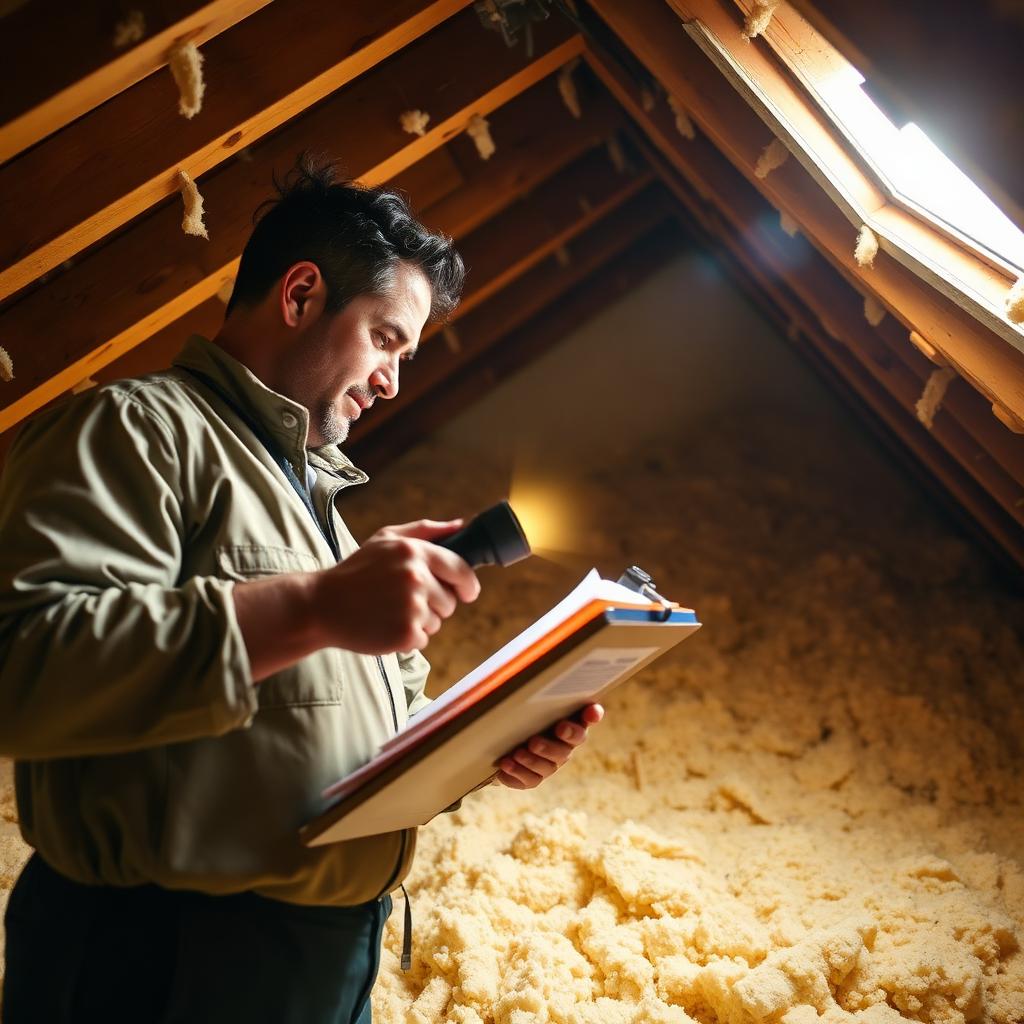
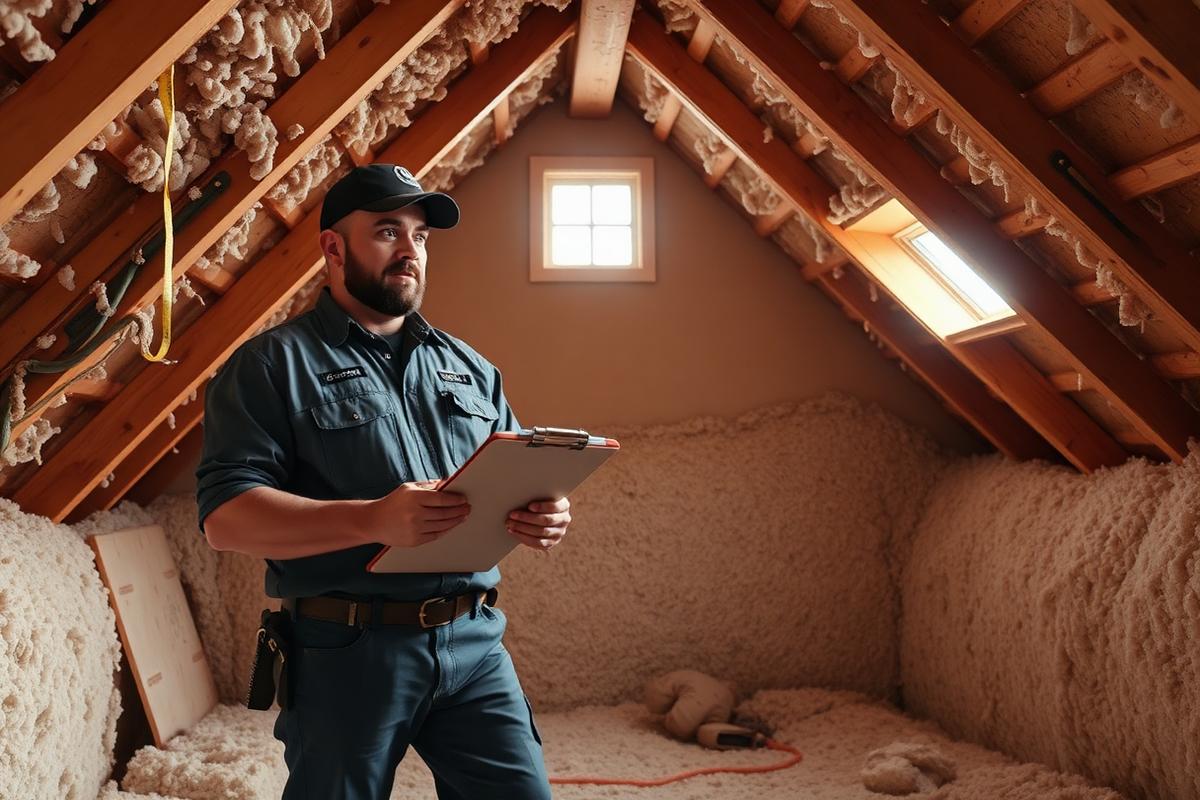
Every home is different, so every estimate we write is built on what we actually find in your attic or crawl space. Not on an average. We measure existing depth in multiple locations, check ventilation and access, look for moisture and pest activity, photograph what we find, and walk you through it before we quote anything. The written estimate states the treated square footage, the material, the finished R-value, the air sealing scope, any removal and disposal, and the ventilation corrections included.
On-site inspections and estimates are free, and there is never pressure to book on the spot. We serve homeowners across all 27 cities in our Metro Atlanta service area, and we are happy to review a competing quote with you even if you do not hire us. A well-informed homeowner tends to end up with a better job either way.
Want an accurate number for your home instead of an average? Request a free on-site inspection or call us at 678-606-HIVE (4483). We will tell you what your house actually needs and why.