How an Insulation Inspection Can Save You Thousands (A Peachtree Corners, GA Homeowner's Guide)
If you own a home in Peachtree Corners, there's a very good chance your insulation is underperforming. And you have no idea by how much. The neighborhoods along Peachtree Parkway, Spalding Drive, Holcomb Bridge, and Jones Bridge were built across four different decades, under three different Georgia energy codes, and by dozens of different builders. What was "code" when your home was built almost certainly isn't code today, and even homes built to code often fall short in real-world performance.
At Iron Hive Insulation, we perform detailed insulation inspections across Peachtree Corners and Gwinnett County every week. And the number one question we hear from homeowners after the inspection is the same every time: "How did we not know about this?"
This guide walks through exactly what a professional insulation inspection covers, the specific problems we find most often in Peachtree Corners homes, and how much a proper inspection can actually save you. Both in energy bills and in avoided damage down the road.
Why Peachtree Corners Homes Are Especially Prone to Insulation Problems
Peachtree Corners has an unusually diverse housing stock for one city. In the same neighborhood you might find:
- 1970s and 80s ranches with minimal original insulation
- 1990s two-stories with the classic "hot bonus room over garage" layout
- Early 2000s builds with the first generation of blown-in fiberglass
- Newer builds from 2015 onward with better code compliance but rushed workmanship
Each of these eras has its own signature insulation problems, and most homeowners have never had them looked at. Combine that with Georgia's humid climate, common attic ventilation issues, and the fact that most home inspections at the point of sale barely glance at insulation, and you get thousands of Peachtree Corners homes with hidden efficiency losses.
What a Real Insulation Inspection Actually Covers
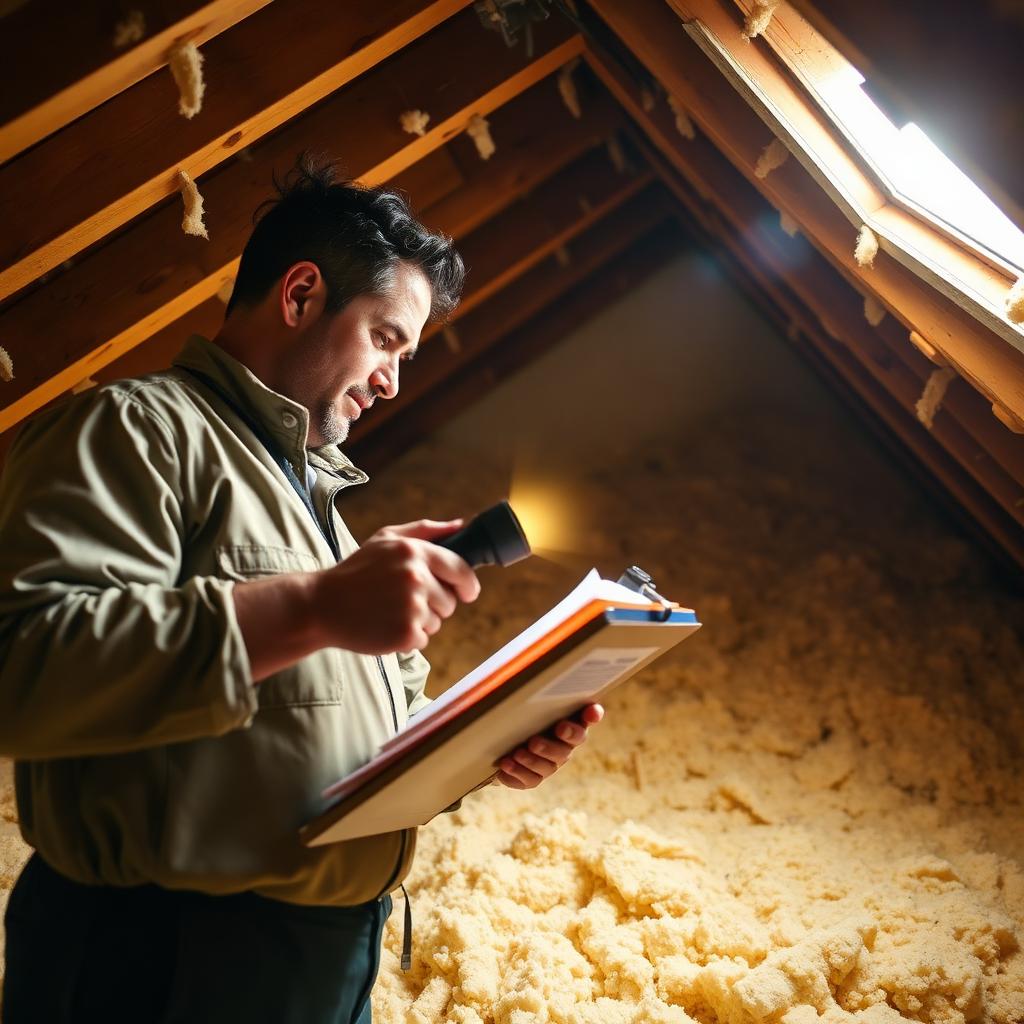
A proper insulation inspection is not just "poking your head in the attic." It's a structured evaluation of the entire thermal envelope of your home. The boundary between conditioned and unconditioned space. Here's what a real inspection includes.
1. Attic Insulation Type, Depth, and Coverage
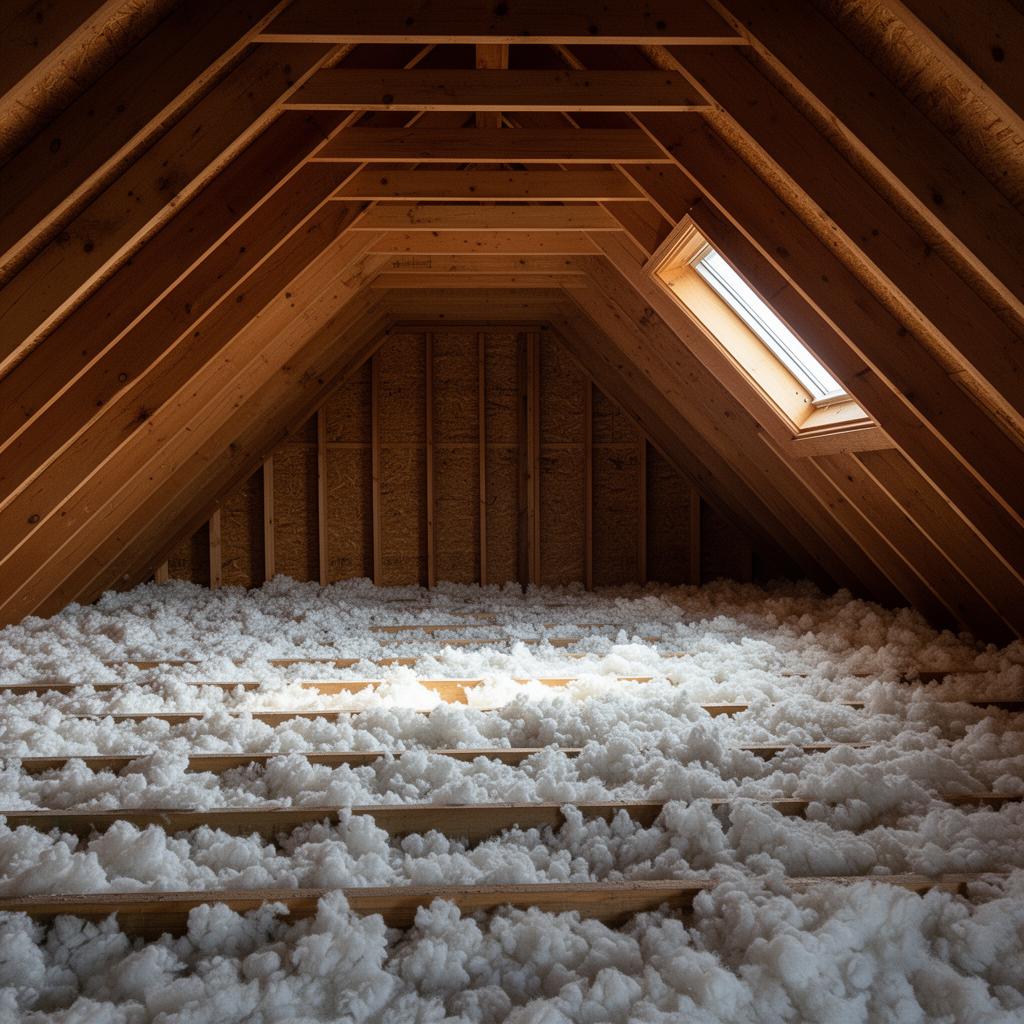
We measure the actual depth of insulation in multiple locations, identify the type (fiberglass, cellulose, rock wool, or spray foam), and calculate the effective R-value. Georgia code calls for R-38 minimum and we typically recommend R-49 for Peachtree Corners' climate. If you're below R-30, you're leaving real money on the table every single month. Our full guide on attic insulation in Metro Atlanta breaks down the target values by home type.
2. Attic Air Sealing
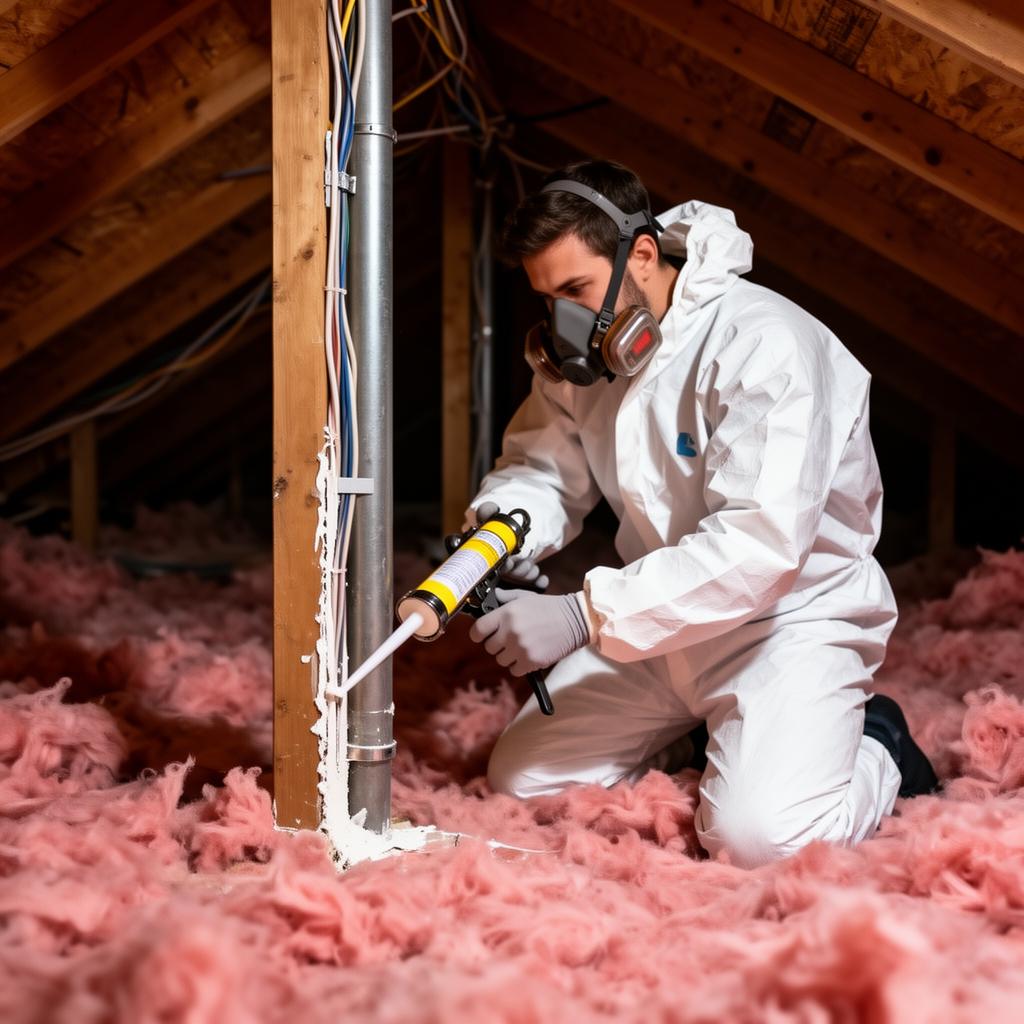
This is where most inspections stop and ours begins. We check every top plate, wire penetration, plumbing chase, chimney chase, bath fan, recessed light housing, and attic hatch for air leakage. In an average Peachtree Corners home, air leaks in the attic alone can equal a two-foot-square hole in your ceiling. Our guide to the hidden benefits of air sealing explains why this matters more than adding insulation in many cases.
3. Blower Door Testing
A blower door test depressurizes your home and measures exactly how leaky it is. Georgia code caps new homes at 5 ACH50, but most existing Peachtree Corners homes test between 8 and 15 ACH50. Meaning your home's entire air volume is escaping and being replaced two to four times per hour, day and night. Every one of those cubic feet of air has to be reheated or recooled at your expense.
4. Thermal Imaging From the Interior
We use infrared cameras to scan ceilings, walls, and floors from inside the house. This shows us missing insulation, air leaks, moisture, and even electrical issues that are completely invisible to the naked eye. Thermal imaging routinely catches problems that a visual attic inspection would never find. Like a whole bay of missing wall insulation behind drywall, or a chimney chase that never had a top plate installed.
5. Crawl Space and Basement Envelope
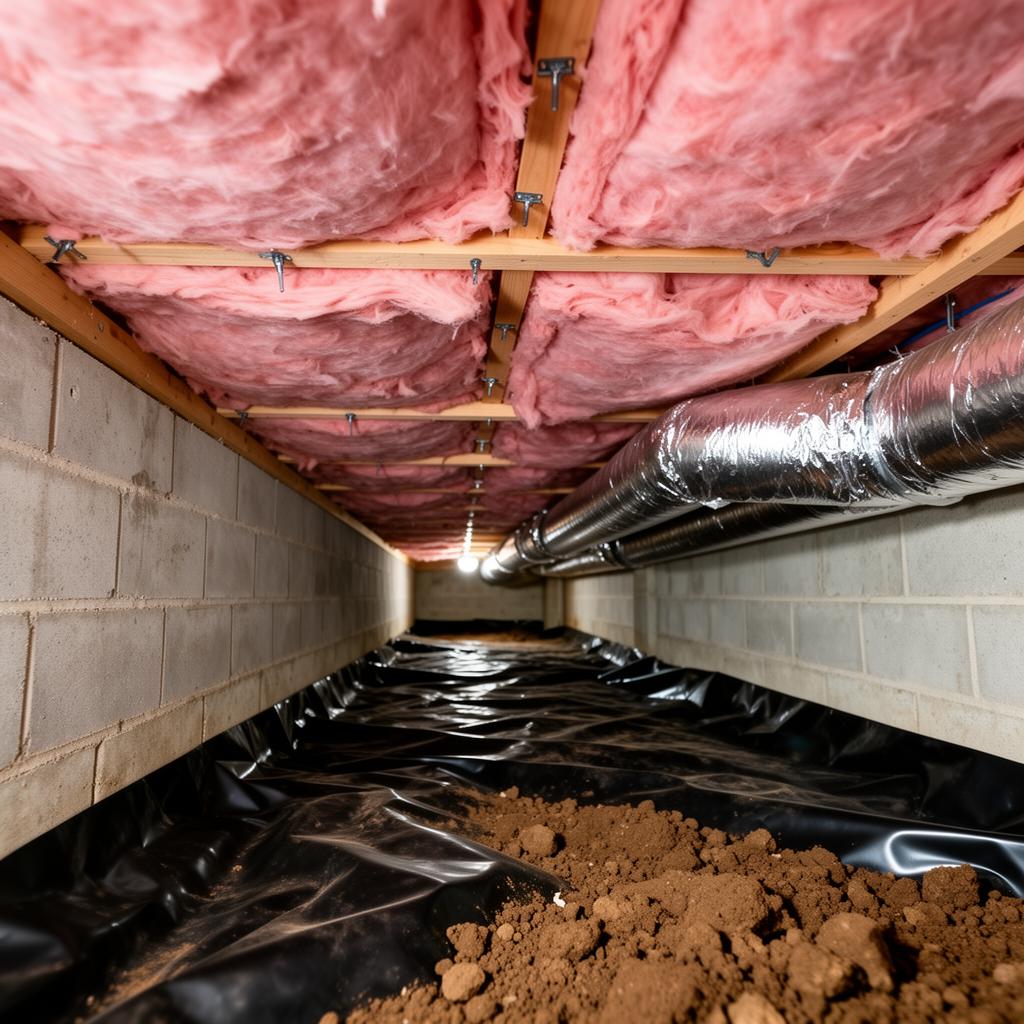
If your Peachtree Corners home has a crawl space, that's often where the biggest problems live. We check the vapor barrier, floor insulation, rim joists, foundation vents, moisture levels, and pest damage. Vented crawl spaces are the number one source of cold floors, high humidity, and hidden mold in Peachtree Corners homes. See our full crawl space insulation guide for more.
6. Duct System Inspection
We check your HVAC ducts for insulation quality, mechanical connections, and visible leakage. Leaky ducts in a hot attic can waste 20–30% of your heating and cooling. In many Peachtree Corners homes, the ductwork is one of the largest energy losses in the entire building.
7. Garage Ceiling and Shared Walls
The wall between your garage and your house, and the ceiling above the garage (especially under a bonus room), are two of the most-abused thermal boundaries in any Peachtree Corners home. We check both for insulation depth, air sealing, and firestopping.
8. Window, Door, and Wall Envelope Review
While insulation contractors don't replace windows, a good inspection notes obvious envelope leaks. Failed weatherstripping, uncaulked trim, wall penetrations, and dryer/bath vent exit points that leak air.
9. Written Report With Photos and Recommendations
You should leave every insulation inspection with a written report that documents what was found, includes photos, and prioritizes recommendations. And our guide to what determines insulation cost explains the factors that shape the estimate that follows. Verbal-only inspections are a red flag.
The Hidden Costs an Insulation Inspection Uncovers
Here's what a real inspection has caught in Peachtree Corners homes we've evaluated in the last year:
- A home in Neely Farm losing 28% of its heating and cooling through duct leaks in the attic. Fix cost about $1,800, payback under three years.
- A ranch off Jones Bridge with only R-11 in the attic (the original 1978 insulation, never upgraded). Bringing it to R-49 with blown-in insulation dropped their power bill by $140/month in summer.
- A home in River Station with an uninsulated garage ceiling under a bonus room. Adding closed-cell spray foam brought the bonus room within 3 degrees of the rest of the house, year-round.
- A vented crawl space in a home off Spalding Drive with a rotted vapor barrier, damp joists, and 78% humidity. Crawl space encapsulation prevented what was going to be a $15,000+ mold and floor repair.
- Missing baffles at the soffit vents on a newer build, causing insulation to block ventilation and creating early roof deck moisture damage. Caught at year one of the builder's warranty. Full fix at no cost to the homeowner.
Every one of those was found in a home the owner thought was "fine."
How Much Can an Insulation Inspection Actually Save You?
The exact number depends on your home, but here are realistic ranges based on Peachtree Corners homes we've worked on:
- Energy savings: 15% to 40% off your heating and cooling bill, depending on starting condition. For a typical Peachtree Corners home, that's $400 to $1,500 per year, every year, for the life of the home.
- Comfort improvements: Rooms that were unusable become usable. Bonus rooms, upstairs bedrooms, and finished basements come into balance.
- Avoided damage: Catching a crawl space moisture problem before it turns into mold or wood rot can save $10,000 to $30,000 in repairs.
- Warranty recovery: For homes still in the builder warranty window, documented inspection reports have recovered thousands of dollars in fixes at no cost to the homeowner.
- Resale value: Homes with documented insulation upgrades sell faster and appraise higher. Energy-efficient homes are increasingly a differentiator in the Gwinnett County market.
- Rebates and tax credits: See our 2026 Georgia insulation rebates guide for programs that can offset 30% or more of upgrade costs.
Even a modest inspection that turns up nothing more than a few air-sealing opportunities and an R-value bump typically pays back within 2–4 years. And continues paying every year after.
When Should You Get an Insulation Inspection in Peachtree Corners?
Not every home needs one every year, but certain triggers make an inspection especially valuable:
- You just bought the home (or are about to). Home inspections don't catch insulation issues.
- You just closed on a new build. One-year builder warranty inspections have the highest ROI of any inspection you'll ever do. See our full Milton new construction inspection guide for the checklist.
- Your energy bills jumped with no obvious explanation.
- You have hot or cold rooms that never balance with the rest of the house.
- You've had roof, HVAC, or plumbing work done in the attic (crews often damage insulation and don't restore it).
- You've noticed pests, moisture, or musty smells.
- Your home is over 20 years old and has never had insulation upgraded.
- You're planning to sell in the next 12 months.
What Makes Iron Hive's Peachtree Corners Inspections Different
Most home inspectors spend 5 minutes on insulation. Most insulation companies "inspect" as a sales pretext for a proposal. We do neither. Our Peachtree Corners inspections include real measurements, thermal imaging, and a written report with photos. Whether you hire us for the work or not. If your insulation is genuinely fine, we'll tell you and you'll walk away with documentation proving it. If it isn't, you'll leave with a clear, prioritized plan.
For more on our work in the area, see our Peachtree Corners service area page along with related guides:
- 5 Signs Your Home Needs New Insulation in Metro Atlanta
- Is Your HVAC System Working Too Hard? The Problem Might Be Your Insulation
- How Proper Insulation Can Cut Your Energy Bills by 30%
- Does Insurance Cover Insulation After Fire or Water Damage?
Peachtree Corners Neighborhoods We Serve
We regularly inspect and upgrade insulation across Peachtree Corners neighborhoods including Neely Farm, River Station, Amberfield, Peachtree Station, Bunten Farm, Spalding Corners, Wesleyan Plantation, and the newer builds along Peachtree Parkway. We're also throughout the surrounding Gwinnett corridor including Norcross, Duluth, Berkeley Lake, and Johns Creek.
Ready to See What Your Peachtree Corners Home Is Actually Losing?
You can't fix what you can't measure. A professional insulation inspection is the single most cost-effective step you can take as a Peachtree Corners homeowner. Whether you've been in the home for 30 years or 30 days.
Call Iron Hive Insulation at 678-606-HIVE (4483) or request a free estimate to schedule your Peachtree Corners insulation inspection. We'll walk your attic, crawl space, and ductwork, run the tests that matter, and give you a written report with real recommendations. Not a sales pitch. Most inspections take about an hour, and the savings often last decades.