Insulating a Historic Home in Roswell: What Works, What to Avoid, and Where to Start
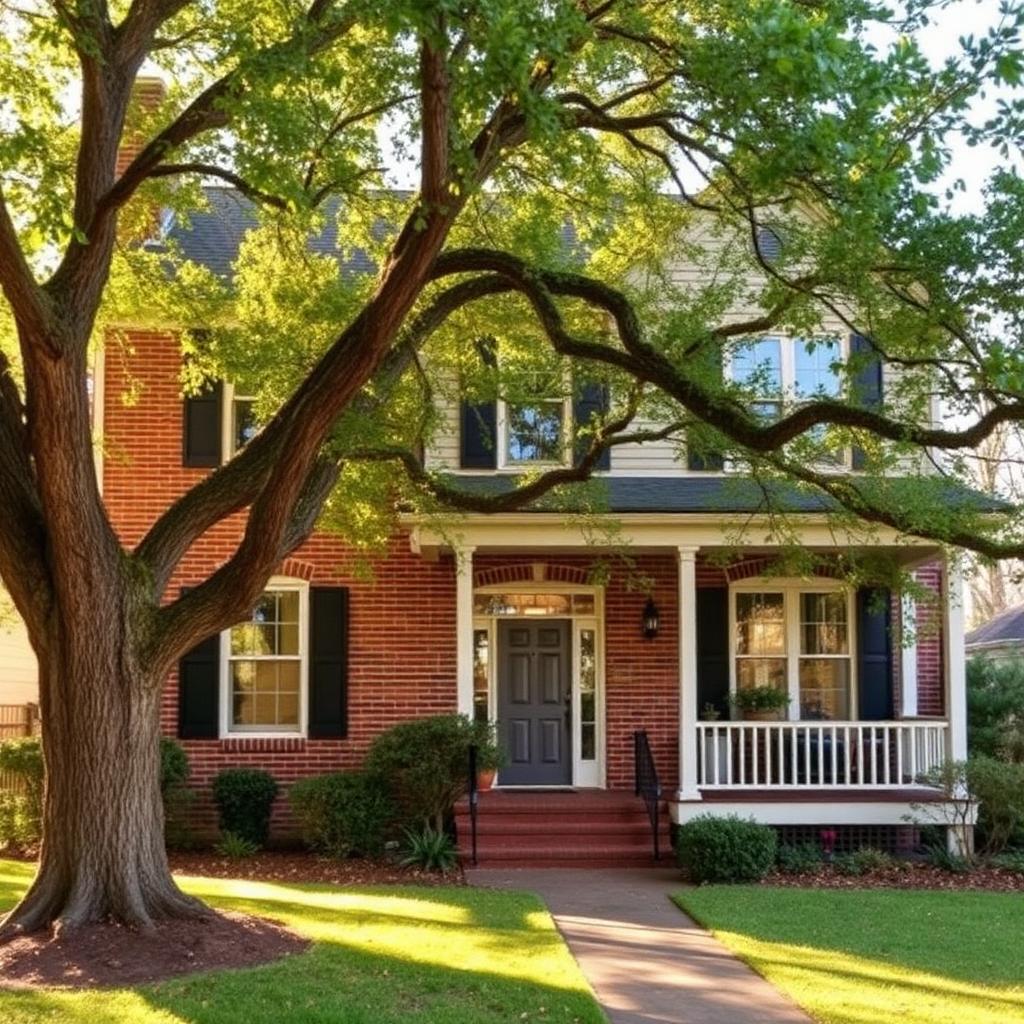
Roswell is one of the most character-rich cities in Metro Atlanta. From the mill village cottages near Canton Street, to the 1960s and 70s brick ranches spread across Martin's Landing and Willow Springs, to the antebellum-era homes along Bulloch Avenue, Roswell's housing stock tells the story of North Fulton County. But there's a common thread across nearly all of it: these homes were not built with modern insulation standards in mind.
At Iron Hive Insulation, we work in older Roswell homes almost every week. And we've learned that upgrading insulation in a historic or pre-code home is a very different job than working on a new build in Alpharetta or Cumming. Get it right, and you'll gain year-round comfort, lower energy bills, and better indoor air quality without changing a single thing you can see. Get it wrong, and you can trap moisture, damage plaster, or ruin original details. Here's how we approach it.
Why Older Roswell Homes Struggle With Comfort
If you own a Roswell home built before the mid-1990s, you've probably experienced at least one of these:
- Cold floors in winter. Especially in homes with vented crawl spaces or unfinished basements.
- Hot upstairs bedrooms in summer, even with the AC running nonstop.
- Drafts around windows, baseboards, and outlets that no amount of caulk seems to fix.
- High power bills for a home that isn't especially large.
- Rooms that never quite match the thermostat, no matter how you set it.
Most of these issues come down to two things: not enough insulation, and almost no air sealing. Building codes in Georgia didn't require serious energy performance until well into the 2000s, and the current 2021 IECC standards that Georgia adopted are worlds away from what was installed in a 1972 ranch on Woodstock Road.
What Roswell's Historic Homes Typically Have (and What They Don't)
When we open up attics, walls, and crawl spaces in older Roswell homes, here's the honest picture we usually find:
- Attic insulation. Often 4 to 8 inches of settled fiberglass or, in the oldest homes, sawdust, rock wool, or even loose vermiculite (which requires testing before removal). Well below today's R-49 target.
- Wall insulation. Frequently none at all in pre-1970s homes, or thin, sagging batts in wall cavities that have compressed over decades.
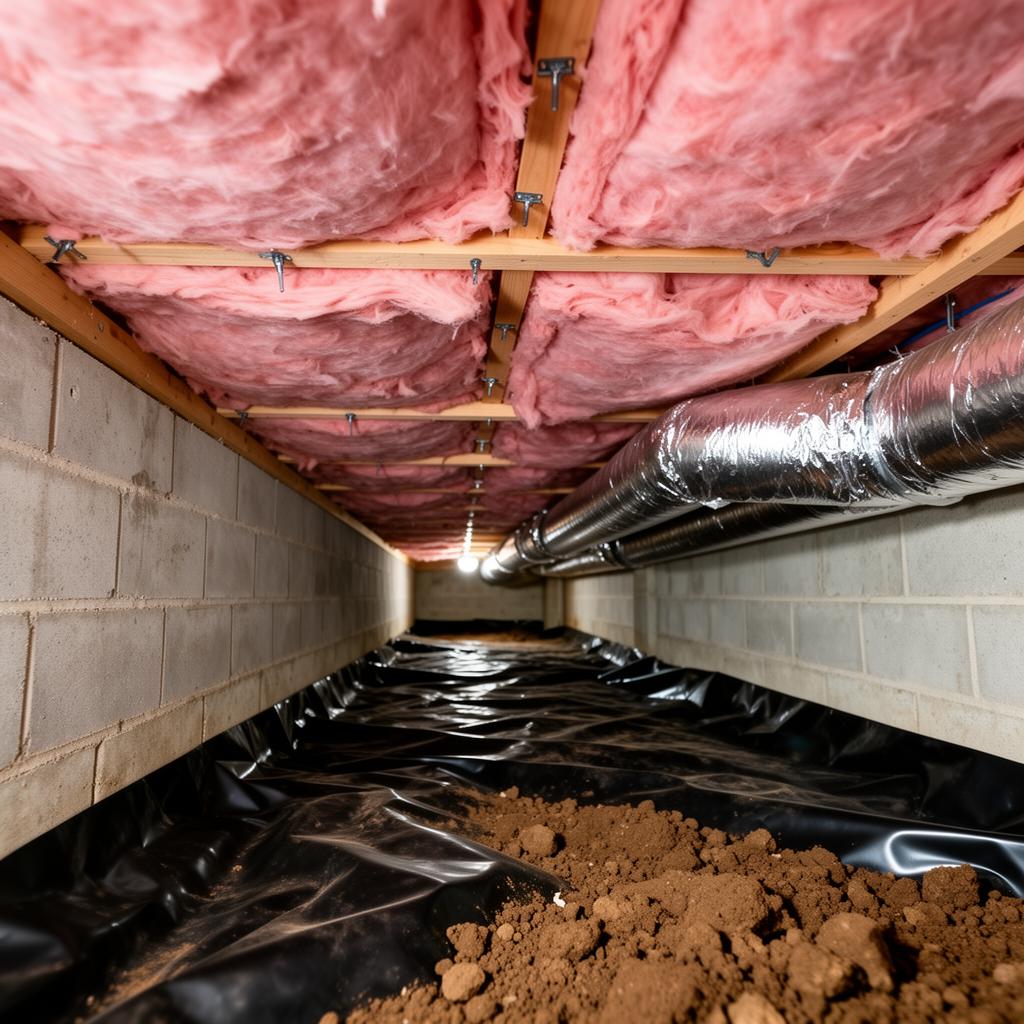
- Crawl space. Vented to the outside, with fiberglass batts stapled to the floor joists that are now falling out, wet, or infested. Little to no vapor barrier on the ground.
- Air sealing. Essentially zero. Balloon-framed walls, unsealed top plates, open chases from basement to attic, and drafty rim joists all act like chimneys pulling conditioned air out of your home.
The good news: every one of these is fixable, and none of the fixes require changing the look of your home.
Where to Start: The Roswell Historic Home Priority Order
For most older homes in Roswell, we recommend tackling upgrades in this order:
1. Air Seal the Attic Floor and Rim Joists First
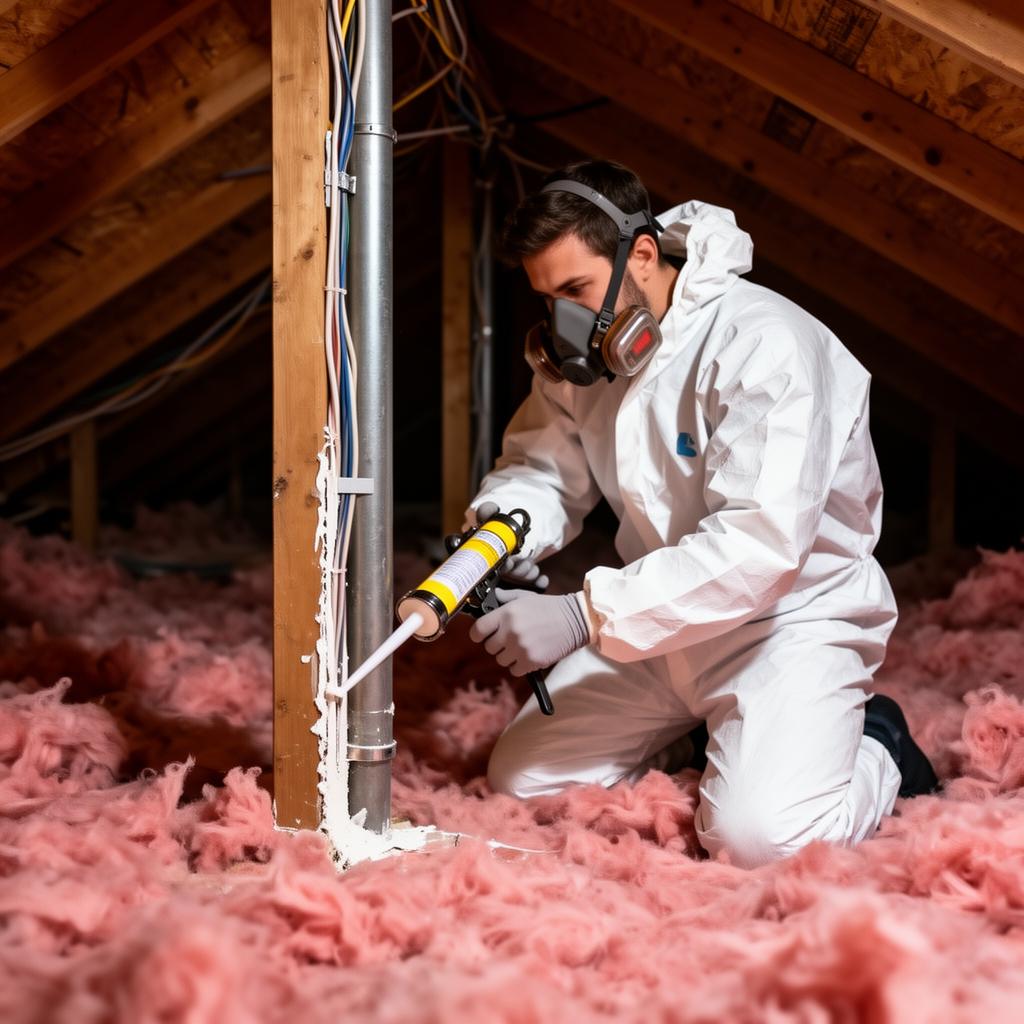
Before adding a single inch of new insulation, we air seal top plates, wire and plumbing penetrations, chimney chases, and attic hatches. Then we hit the rim joists in the basement or crawl space with closed-cell spray foam. This one step often produces the biggest comfort improvement per dollar. And it's completely invisible from inside the home. We covered the full impact in our hidden benefits of air sealing guide.
2. Bring the Attic Up to R-49
Once the attic is properly air sealed, we add blown-in cellulose or fiberglass on top of (or in place of) the old material to reach R-49. If the existing insulation is contaminated, moldy, or contains vermiculite, we handle safe insulation removal first. A properly insulated attic is the single biggest lever for taming those hot Roswell summers.
3. Fix the Crawl Space
Vented crawl spaces are one of the biggest sources of comfort and moisture problems in older Roswell homes. In most cases, we recommend removing the failing floor batts, sealing the vents, installing a full vapor barrier, and insulating the crawl space walls with closed-cell spray foam. Our crawl space insulation guide walks through when encapsulation makes sense and when it doesn't.
4. Address Walls Only If You're Already Renovating
Dense-pack cellulose can be blown into uninsulated wall cavities from the outside or inside, but it's disruptive and not always the best return on investment for a historic home. If you're already renovating a room or replacing siding, that's the moment to insulate the walls. Otherwise, prioritize the attic, crawl space, and air sealing first.
What to Avoid in a Historic Roswell Home
There are a few insulation shortcuts that can genuinely damage an older home. And we see them attempted too often:
- Spraying foam directly against plaster or old sheathing without understanding the wall's drying capacity. In older homes, walls need to be able to dry in at least one direction. Trapping moisture can rot framing.
- Encapsulating a crawl space without addressing bulk water first. If you have grading issues, missing gutters, or plumbing leaks, fix those before sealing anything up.
- Removing vermiculite yourself. Older Roswell homes occasionally have vermiculite attic insulation, which can contain asbestos. It must be tested and removed by qualified professionals.
- Adding insulation on top of wet or contaminated material. Any rodent damage, mold, or moisture must be addressed first.
- Ignoring the attic hatch and pull-down stairs. A poorly sealed attic access can undo thousands of dollars of insulation work.
Why Roswell Homeowners Choose Iron Hive
We live and work in this area. We understand that a home on Mimosa Boulevard needs a very different approach than a spec home in a new Milton subdivision. Our crews take the time to evaluate what's actually in your walls, attic, and crawl space before recommending anything. And we're happy to phase work over time so you can prioritize what matters most.
If you'd like a plain-English walkthrough of what your Roswell home actually needs, we offer free in-home evaluations across Roswell and the surrounding North Fulton area. We'll show you what we find, explain the trade-offs, and give you an honest recommendation. Even if the answer is "you don't need much yet."
Ready to Make Your Historic Roswell Home More Comfortable?
You don't have to choose between preserving your home's character and enjoying modern comfort. With the right insulation and air sealing strategy, you can have both. Often for less than you'd expect, and in ways no visitor will ever see.
Call Iron Hive Insulation at 678-606-HIVE (4483) or request a free estimate to schedule your Roswell home evaluation. We'll help you build a plan that fits your home, your budget, and your timeline.