Is Your HVAC System Working Too Hard? The Problem Might Be Your Insulation
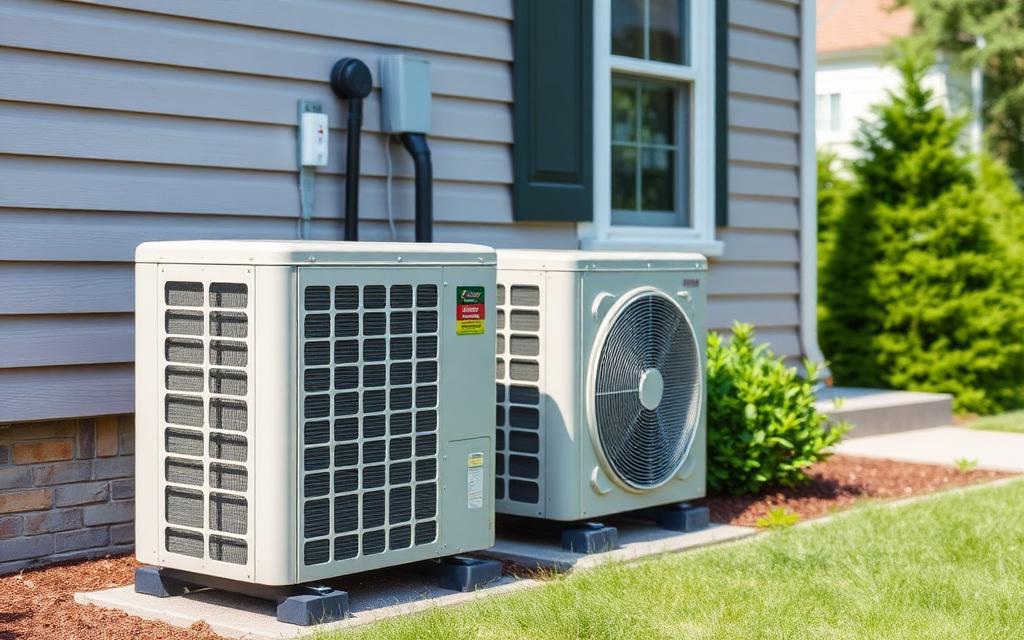
It's one of the most frustrating experiences a homeowner can have: your air conditioner is running constantly, your energy bills are climbing every month, and your home still isn't reaching the temperature you've set on the thermostat. The natural assumption is that something is wrong with your HVAC system. Maybe it needs refrigerant. Maybe the unit is aging out and needs to be replaced. Maybe you need a bigger system.
Before you spend thousands of dollars on HVAC repairs or a new unit, there's something else you should check first. Your insulation. As a leading insulation contractor in Roswell, GA, we routinely diagnose HVAC complaints that turn out to be insulation problems in disguise.
HVAC systems are designed and sized based on your home's thermal envelope: how well the building holds temperature, how much heat comes in through the roof and walls, and how tightly sealed the structure is against outdoor air. If that envelope is leaking or under-insulated, even a perfectly functioning HVAC system will struggle to do its job. Replacing the equipment without fixing the insulation is like running faster on a treadmill instead of fixing the incline. You're working harder without getting anywhere.
This is one of the most common and most expensive mistakes Atlanta homeowners make. Here's what you need to know.
How Poor Insulation Stresses Your HVAC System
The relationship between insulation and HVAC performance is direct and measurable. When your home's thermal envelope is inadequate, here's what happens to your equipment:
Longer Run Times and Accelerated Wear
When heat easily penetrates through your attic, walls, or crawl space, your air conditioner has to run for longer cycles just to maintain the target temperature. In a well-insulated home, the system might run for 15–20 minutes per cycle and then rest. In a poorly insulated home, it might run for 40–50 minutes per cycle. Or never fully shut off during peak Georgia heat.
Extended run times cause more mechanical wear on every component: the compressor, the fan motors, the capacitors, the contactors. An HVAC system that runs twice as long as it should will need service and replacement twice as fast. The insulation problem that seems like an HVAC problem is also quietly shortening the life of your equipment.
Short Cycling
Counterintuitively, poor insulation can also cause short cycling. Where the system reaches the thermostat's setpoint in one part of the house while other areas remain uncomfortable. The thermostat satisfies, the system shuts off, and then temperatures quickly rebound because the envelope isn't holding the conditioned air. The system kicks back on within minutes. This rapid on-off cycling is hard on the equipment, inefficient, and a sign that something in the system, often the insulation, is out of balance.
Humidity Problems That Won't Go Away
Atlanta's climate is humid. Managing indoor humidity isn't just about comfort. High humidity encourages mold growth, damages wood and drywall, and makes a 75°F home feel warmer and stickier than it should. Your HVAC system removes humidity as a byproduct of cooling: as warm air passes over the cold evaporator coil, moisture condenses and drains away.
But here's the problem: effective dehumidification requires long, sustained run cycles. When poor insulation forces the system into short-cycling mode, it doesn't run long enough to properly wring moisture out of the air. The result is a home that feels clammy and uncomfortable even when the temperature reads correctly. Many homeowners buy whole-house dehumidifiers to solve this problem without realizing that better insulation could reduce the need for one significantly.
Uneven Temperatures Throughout the Home
Hot upstairs, cold downstairs. A master bedroom that never cools off no matter what you set the thermostat to. A bonus room over the garage that's unusable in July. These are classic symptoms of an insulation problem. And they're often misdiagnosed as duct balancing issues, HVAC sizing problems, or zoning failures.
While those issues can contribute to uneven temperatures, they're frequently downstream effects of inadequate insulation. The HVAC system simply cannot overcome the physics of a thermal envelope that's allowing heat to pour in through the attic or walls in specific areas of the home.
Oversizing the Replacement Unit. A Costly Mistake
When homeowners report that their HVAC system can't keep up, HVAC contractors sometimes recommend replacing the existing unit with a larger one. In a leaky, under-insulated home, this is the wrong solution. A larger system in a thermally compromised envelope will short-cycle even more aggressively, worsen humidity control, and cost more to operate. While still not delivering the comfort the homeowner is looking for.
The right answer is to fix the thermal envelope first, then size the replacement equipment for the actual load of the improved home. Iron Hive works with HVAC contractors throughout Metro Atlanta on exactly this sequence. Insulation and air sealing first, equipment right-sizing second.
Where Insulation Failures Hit Hardest in Atlanta Homes
Not all insulation problems are equal. In Metro Atlanta homes, the locations that cause the most HVAC strain are:
The Attic
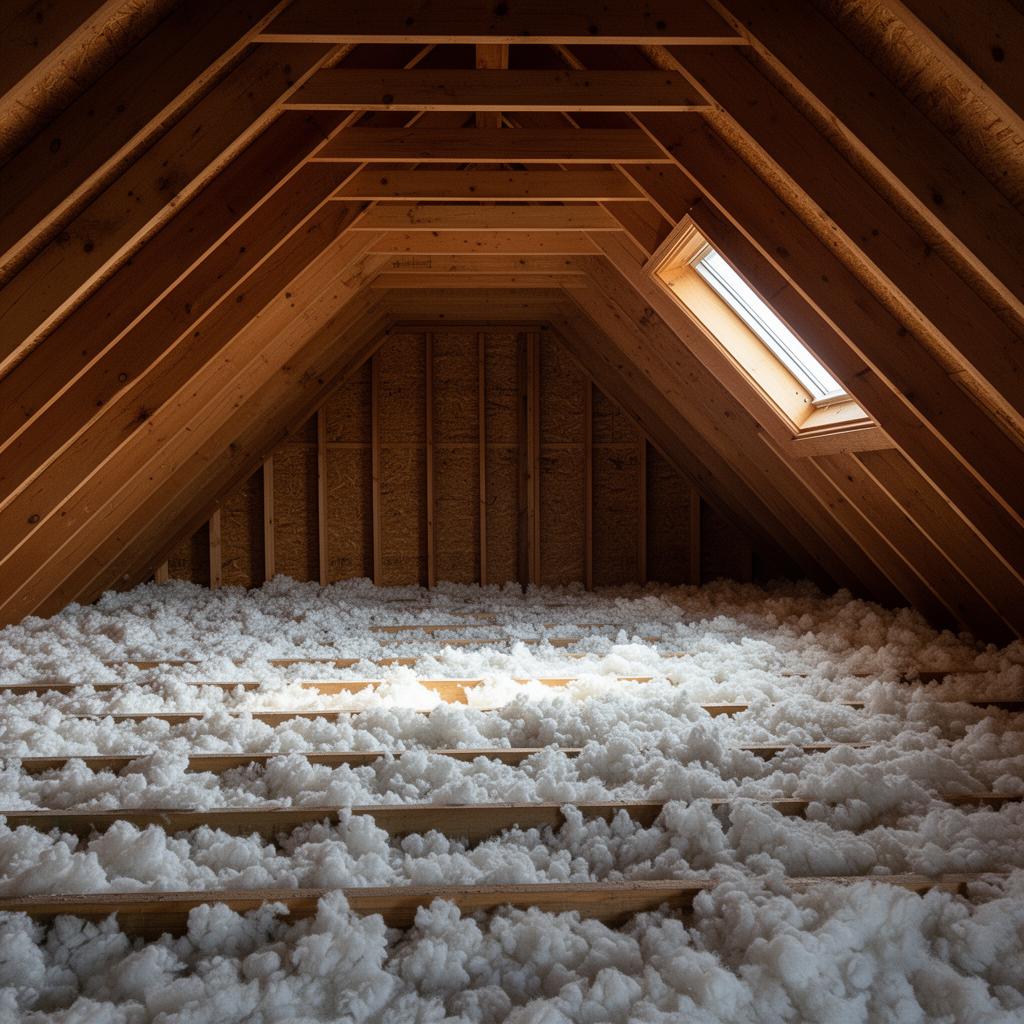
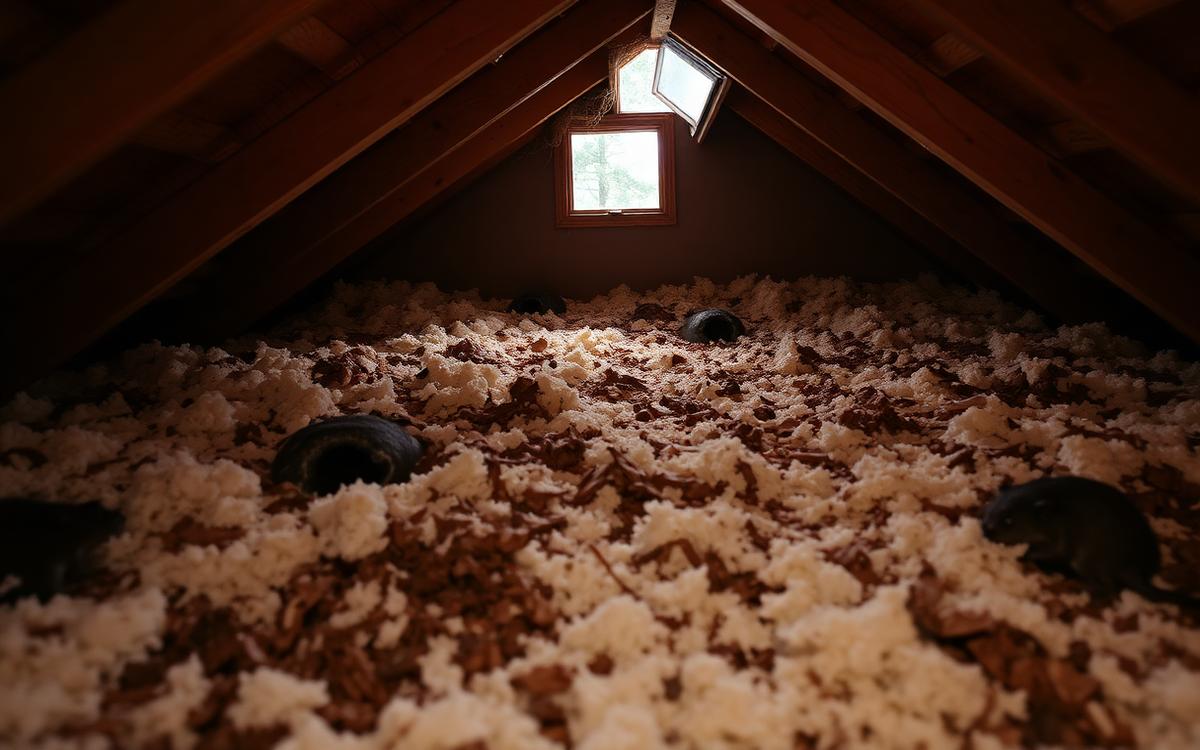
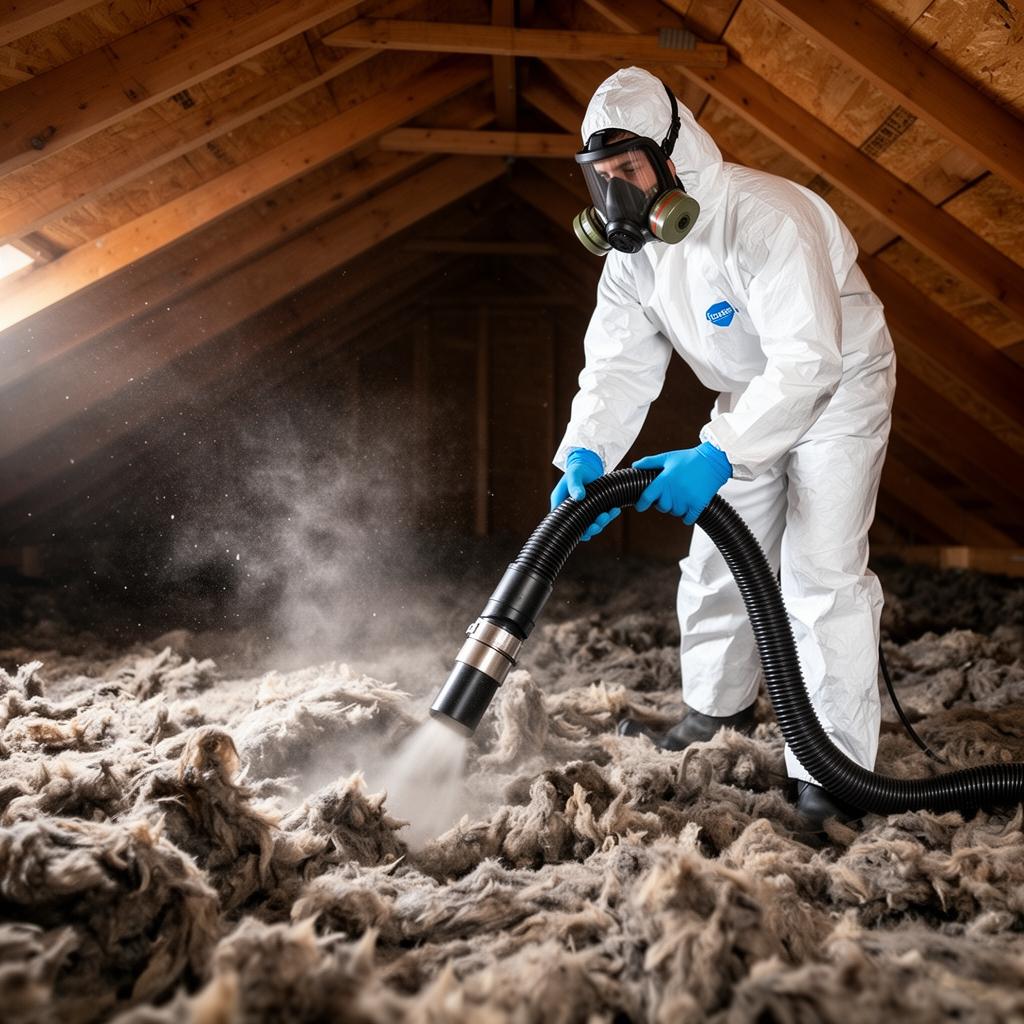
The attic is by far the most common culprit. In a typical Atlanta summer, attic temperatures can exceed 150°F. If the attic floor is under-insulated or has significant air leaks, that heat radiates down through your ceilings and directly into your living space. Your air conditioner is fighting a losing battle against a radiant heat source that's built into the structure of your home.
Attic insulation is almost always the highest-impact upgrade for HVAC relief, and it's one of the most cost-effective improvements a homeowner can make.
HVAC Ductwork in the Attic
Most Metro Atlanta homes have their air handler and ductwork located in the attic. When that attic is 150°F and the ducts are delivering 55°F conditioned air, the air picks up heat during delivery even through insulated duct walls. This is called duct heat gain, and it can reduce your system's effective efficiency by 20–30% or more.
Encapsulating the attic with spray foam, bringing the ductwork inside the conditioned space, eliminates this problem entirely and is often the single most impactful HVAC efficiency upgrade available to Atlanta homeowners.
Rim Joists and Band Joists
The perimeter framing at the base of your first floor is one of the most air-leaky parts of any home. Outside air infiltrates freely through rim joists, especially in older construction, and circulates into the floor system. This contributes to cold floors in winter, uncomfortable lower-level rooms, and increased HVAC load year-round.
Spray foam at the rim joists is a quick, relatively low-cost fix that most homes can benefit from immediately.
Crawl Spaces
An unencapsulated, vented crawl space is a direct pathway for humid outdoor air to enter the lowest level of your home. That humidity rises through floor assemblies, makes lower-level rooms feel damp and uncomfortable, and adds moisture load that your HVAC system has to manage. In many older Atlanta-area homes, crawl space issues are a silent driver of both HVAC strain and indoor air quality problems.
How to Tell If Insulation Is Your Real Problem
Before calling an HVAC contractor, run through this quick diagnostic:
- Look in your attic: Can you see the tops of the floor joists? If so, you don't have enough insulation.
- Touch your exterior walls on a hot day: If they feel noticeably warm on the inside, your wall insulation is inadequate or missing.
- Check your energy bills year over year: If usage is trending up without major lifestyle changes, the home's efficiency is declining.
- Walk your home room by room: Significant temperature variations between rooms often point to insulation and air sealing issues.
- Note humidity levels: A home that feels sticky even with the AC running is often a sign of short-cycling caused by an undersized or poorly performing thermal envelope.
If multiple items on this list apply to your home, there's a strong chance insulation is contributing to your HVAC struggles.
What Iron Hive Can Do for Your Home
Iron Hive Insulation offers free assessments for homeowners across Metro Atlanta. We start by evaluating your existing insulation, measuring R-values, checking for air leaks, inspecting crawl spaces and attic conditions, and then give you a specific, honest recommendation for your home. We don't have a one-size-fits-all package to sell you. We look at what your home actually needs.
In many cases, a targeted insulation and air sealing upgrade reduces HVAC runtime by 20–40%, delivers noticeably more consistent temperatures, and cuts energy bills meaningfully. Without touching the HVAC equipment at all. In other cases, we identify insulation improvements that allow the homeowner to downsize their next HVAC unit and save on equipment costs as well.
We serve homeowners in Roswell, Alpharetta, Marietta, Cumming, Canton, Johns Creek, Sandy Springs, Woodstock, and all surrounding Metro Atlanta communities.
Don't Replace Your HVAC Before Reading This
If you're getting quotes on a new HVAC system because your current one can't keep up, ask the contractor specifically whether they assessed your insulation and air sealing as part of the load calculation. If they didn't, or if they recommend a larger unit without mentioning insulation, get a second opinion.
Contact Iron Hive Insulation for a free assessment before you make any equipment decisions. In many cases, we can solve the comfort and efficiency problem for significantly less than the cost of a new HVAC system. And you'll end up with a better outcome either way.