When Should You Remove Old Insulation? A Guide for Metro Atlanta Homeowners
When Should You Remove Old Insulation?
Insulation doesn't last forever. Over time, it can degrade, become contaminated, or simply stop performing as well as it should. Knowing when to remove and replace old insulation is key to maintaining a comfortable, energy-efficient home.
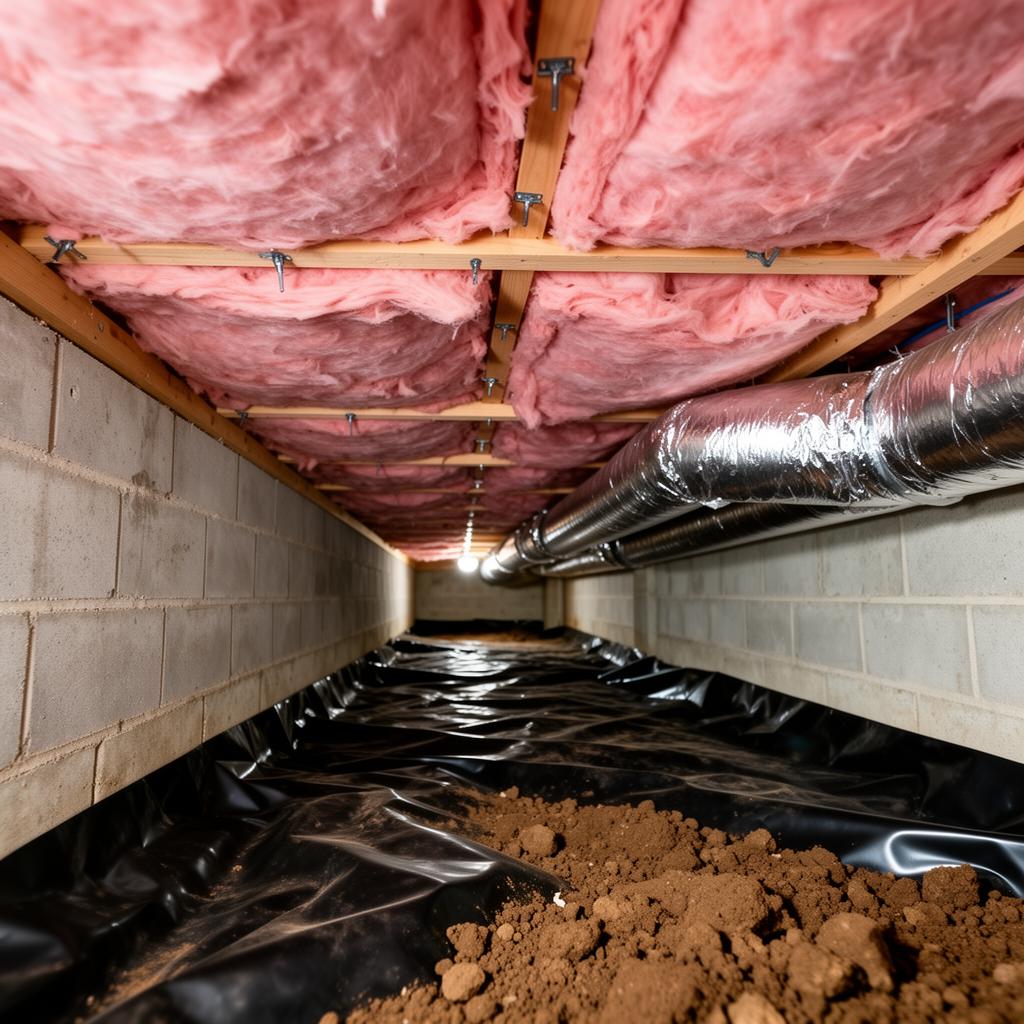
In Metro Atlanta, insulation is exposed to humidity, temperature changes, and occasional pest activity. These factors can shorten the lifespan of insulation and reduce its effectiveness. Older attics with original batts, common in Tucker, GA, are usually the first candidates for full removal before new insulation goes in. Removing damaged or outdated insulation allows new materials to perform properly and helps protect your home's comfort and efficiency. Our insulation contractor in Roswell, GA team handles insulation removal projects across the area, and most homes get fresh blown-in insulation the same week.
Below are the most common situations where insulation removal is recommended.
Why Removing Old Insulation Matters
Many homeowners assume insulation can stay in place indefinitely. While some insulation lasts for decades, it can lose performance over time due to settling, moisture, or contamination.
Removing old insulation helps:
- Restore energy efficiency
- Improve indoor comfort
- Eliminate odors and contaminants
- Prevent moisture problems
- Prepare for new insulation installation
- Protect your home's long-term performance
Think of insulation like the protective layer of a well-built hive. When it becomes damaged or weakened, the entire system becomes less effective.
7 Signs It's Time to Remove Old Insulation
1. Your Insulation Is More Than 15–25 Years Old
Most insulation materials have a lifespan of:
15 to 30 years
As insulation ages, it can settle, compress, or lose its ability to trap air effectively.
You may need removal if:
- Your home is older
- Insulation has never been replaced
- Performance has declined
- Energy bills are increasing
Older homes in Metro Atlanta often benefit from upgrading insulation to meet modern efficiency standards.
2. You Notice Pest Activity
Pests are one of the most common reasons insulation needs to be removed.
Rodents and insects can:
- Nest inside insulation
- Leave droppings and contaminants
- Damage insulation structure
- Create odors
- Spread bacteria
If pests have been present in your attic or crawlspace, insulation removal is often necessary to restore a clean and safe environment.
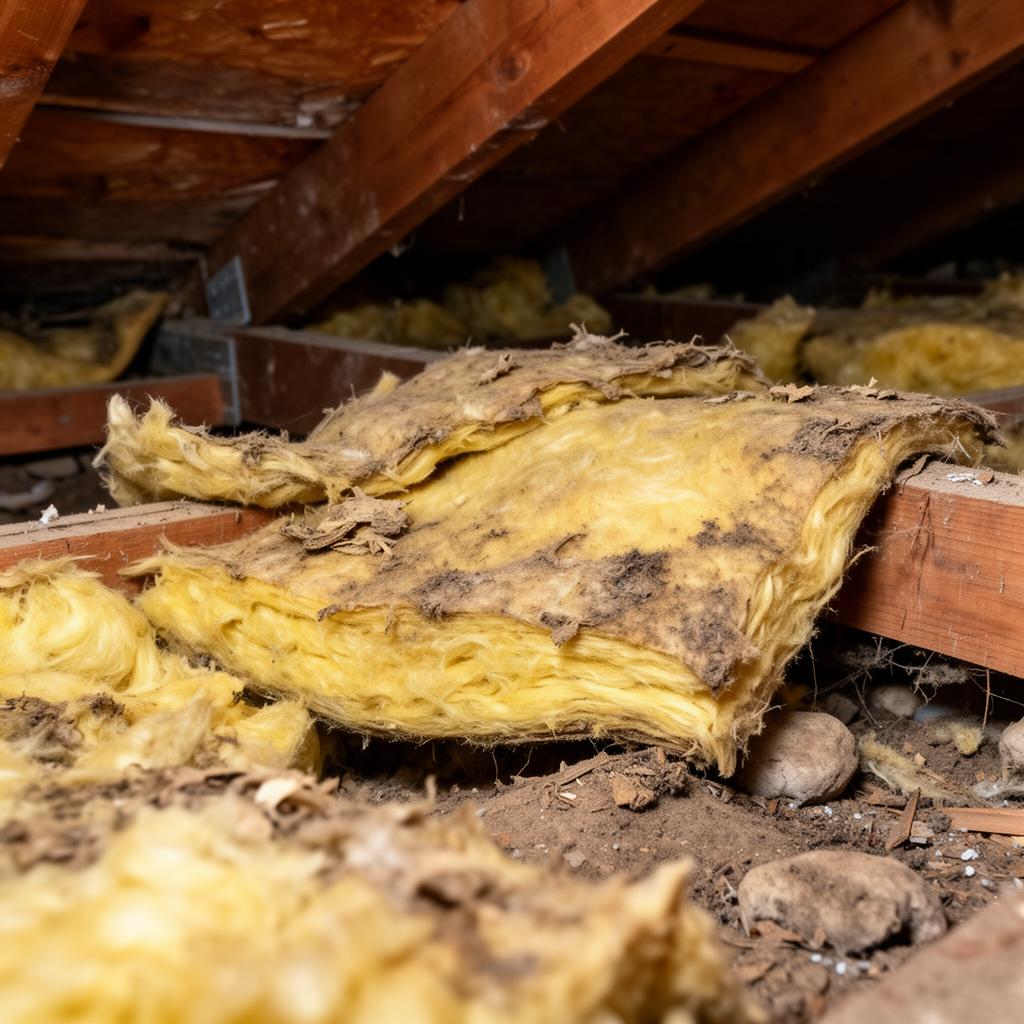
3. There Is Moisture, Mold, or Mildew
Moisture is one of the biggest threats to insulation performance.
Signs of moisture damage include:
- Musty odors
- Visible mold or mildew
- Damp insulation
- Water stains
- Condensation in the attic or crawlspace
Wet insulation loses its effectiveness and can contribute to structural damage if left untreated.
In humid climates like Metro Atlanta, addressing moisture issues quickly is critical.
4. Your Energy Bills Are Increasing
Rising energy bills are often a sign that insulation is no longer performing properly.
This can happen when insulation:
- Settles or compresses
- Becomes damaged
- Loses air-trapping ability
- Allows heat to escape
Removing old insulation and installing new material can significantly improve energy efficiency and reduce monthly utility costs. Learn how proper insulation can cut your energy bills by 30%.
5. Your Home Feels Drafty or Uncomfortable
If your home has:
- Uneven temperatures
- Hot or cold rooms
- Drafts
- Cold floors
- Poor temperature control
your insulation may no longer be working effectively.
Removing damaged insulation allows new materials to create a more stable and comfortable indoor environment.
6. You Notice Excessive Dust or Allergies
Old insulation can trap dust, allergens, and airborne particles over time.
This can lead to:
- Increased dust buildup
- Poor indoor air quality
- Allergy symptoms
- Respiratory irritation
- Unpleasant odors
Insulation removal can help improve air quality and create a cleaner living space.
7. You're Planning to Upgrade Your Insulation
In many cases, insulation removal is recommended before installing new insulation.
This ensures:
- Proper coverage
- Maximum performance
- Improved air sealing
- Better moisture control
- Long-term efficiency
Removing old material creates a clean foundation for new insulation to perform at its best.
What Happens During Insulation Removal?
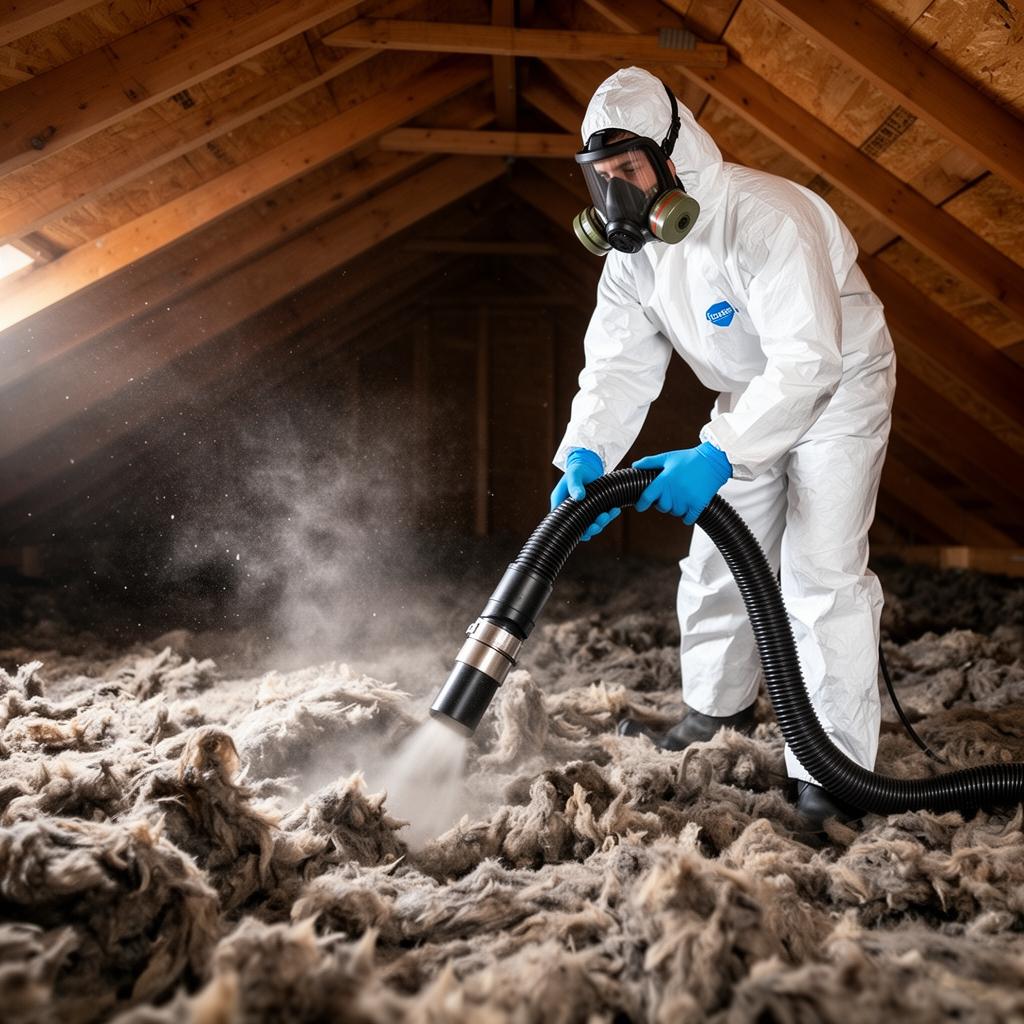
Professional insulation removal is a safe and controlled process designed to protect your home.
Typical steps include:
- Inspecting the attic or crawlspace
- Identifying damaged or contaminated insulation
- Using specialized equipment to remove materials
- Cleaning the area
- Preparing the space for new insulation
- Installing new insulation if needed
This process helps ensure your home remains clean and protected.
Is It Always Necessary to Remove Old Insulation?
Not always. In some situations, new insulation can be added on top of existing material.
Removal is typically recommended when insulation is:
- Wet or moldy
- Contaminated by pests
- Severely compressed
- Damaged or deteriorated
- Producing strong odors
- No longer performing effectively
A professional inspection can determine whether removal is necessary.
Benefits of Removing and Replacing Old Insulation
Upgrading insulation after removal can provide several advantages.
Homeowners often notice:
- Lower energy bills
- Improved indoor comfort
- Better air quality
- Reduced HVAC strain
- More consistent temperatures
- Increased home efficiency
These improvements can make a noticeable difference in daily comfort and long-term performance.
How Long Does Insulation Removal Take?
Most insulation removal projects are completed in:
3 to 6 hours
Larger homes or heavily contaminated insulation may require additional time.
Frequently Asked Questions
Can I leave old insulation in place?
Yes, if it is clean, dry, and still performing well. Removal is recommended when insulation is damaged, contaminated, or ineffective.
Is insulation removal messy?
Professional removal is designed to minimize dust and debris using specialized equipment and containment methods.
How often should insulation be replaced?
Most insulation lasts between:
15 and 30 years
However, environmental conditions and damage can shorten its lifespan.
Will removing old insulation lower energy bills?
Yes. Replacing damaged or outdated insulation can improve efficiency and reduce heating and cooling costs.
Restore Comfort and Efficiency With Professional Insulation Removal in Metro Atlanta
If your insulation is old, damaged, or no longer performing as it should, removing and replacing it may be the best solution.
A professional inspection can identify problem areas and recommend the right improvements to protect your home's comfort, efficiency, and long-term reliability.
Contact a local professional today to learn how insulation removal can help improve your home's performance and create a cleaner, more comfortable living environment.