Johns Creek Crawl Space Humidity: Why Luxury Homes Get It Wrong and How to Fix It
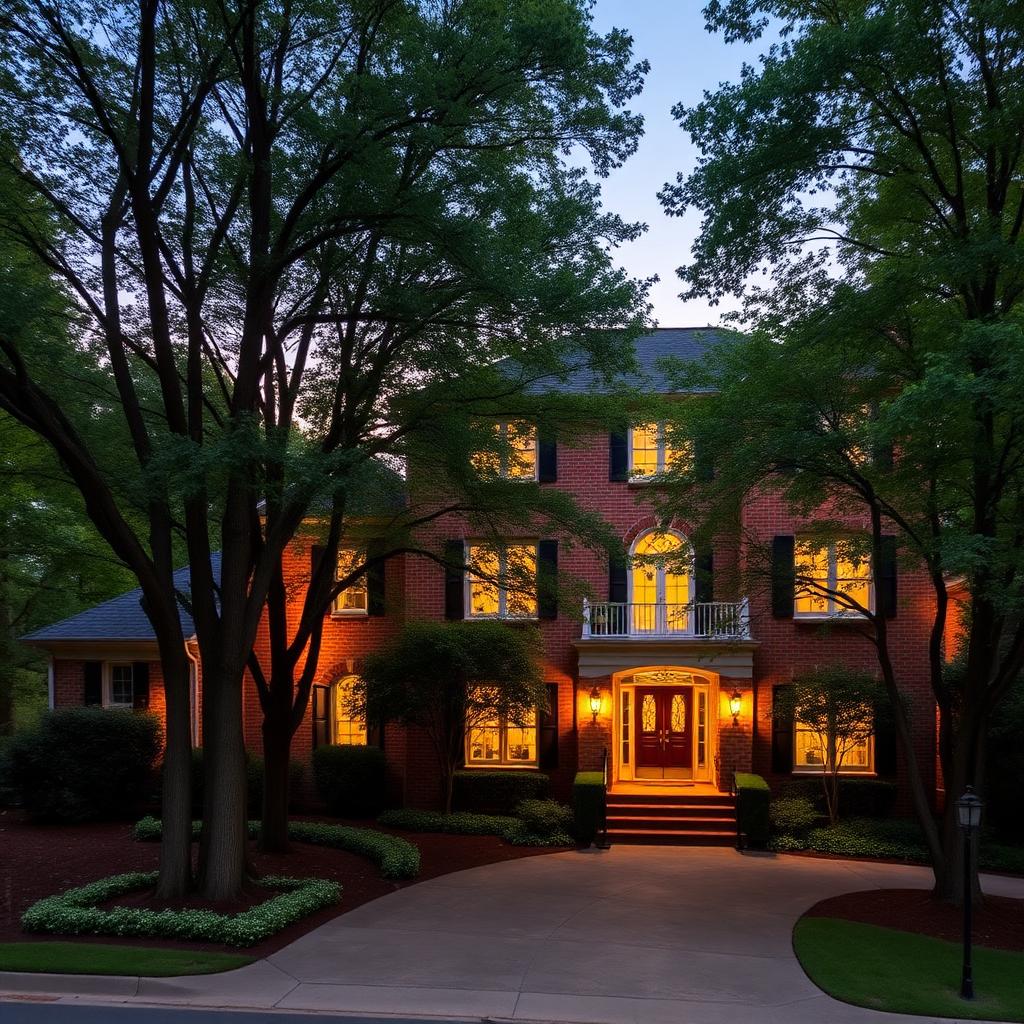
Johns Creek is one of the most desirable places to live in Metro Atlanta. Top-ranked schools, master-planned communities like Country Club of the South and St. Ives, and beautiful custom homes throughout the Medlock Bridge and Rivermont corridors. But under many of these gorgeous homes, we find a problem the homeowner had no idea existed: a vented crawl space quietly running at 75–85% humidity, ten months out of the year.
At Iron Hive Insulation, we work under Johns Creek homes constantly, and the pattern is remarkably consistent. Beautiful main floor, high-end finishes, immaculate landscaping. And a crawl space that smells like a cave and is silently damaging the home above it. Here's why it happens, why it matters, and what actually solves it.
Why Johns Creek Crawl Spaces Struggle
Georgia's humid subtropical climate is brutal on traditional vented crawl spaces, and Johns Creek's terrain makes it worse. Many of the city's neighborhoods sit on rolling wooded lots with poor natural drainage, mature tree canopy that keeps the ground shaded and damp, and clay soils that hold moisture long after it rains. Combine that with the traditional building approach of "just vent it to the outside," and you get a crawl space that acts like a sponge.
Here's what physics does to a vented crawl space in Johns Creek from May through October:
1. Warm, humid outside air (often 85°F and 80% relative humidity) enters through the foundation vents.
2. It hits the cool surfaces of your ductwork, plumbing, and floor joists. Which sit at 65–70°F thanks to your AC.
3. That warm air can no longer hold its moisture, so it condenses on those surfaces.
4. The crawl space stays wet, humid, and increasingly musty all summer long.
The traditional advice, "vent it so it can dry out", is exactly backward for Georgia's climate. Modern building science has known this for decades, but a lot of Johns Creek homes were built before that knowledge became mainstream, and even some newer luxury builds still ship with vented crawls.
What High Humidity Under Your Johns Creek Home Actually Causes
Homeowners often think of the crawl space as separate from the living area. It isn't. Roughly 40% of the air you breathe on your main floor originated in the crawl space. Pulled up through gaps around plumbing, HVAC penetrations, and floor systems by a phenomenon called the stack effect. So a wet, moldy crawl space isn't just under your house; it's *in* your house.
Here's what we routinely see in Johns Creek homes with unaddressed crawl space humidity:
- Musty smells on the main floor, especially in closets, powder rooms, and hallways near return air vents.
- Cupped or warped hardwood floors, particularly around exterior walls.
- Sticking doors and windows in summer that free up in winter.
- Higher-than-expected energy bills. Humid air is much harder for your AC to dehumidify.
- Mold growth on floor joists, subfloor, and HVAC ducts.
- Fiberglass batts falling out of the floor system, hanging useless below the joists.
- Insect and rodent activity, drawn to the moisture and easy entry through vents.
- Rusting HVAC components and plumbing fittings.
- Elevated indoor humidity that forces you to run the AC harder just to feel comfortable.
Left long enough, this environment causes structural damage that costs far more to repair than encapsulation would have.
What Proper Crawl Space Encapsulation Looks Like
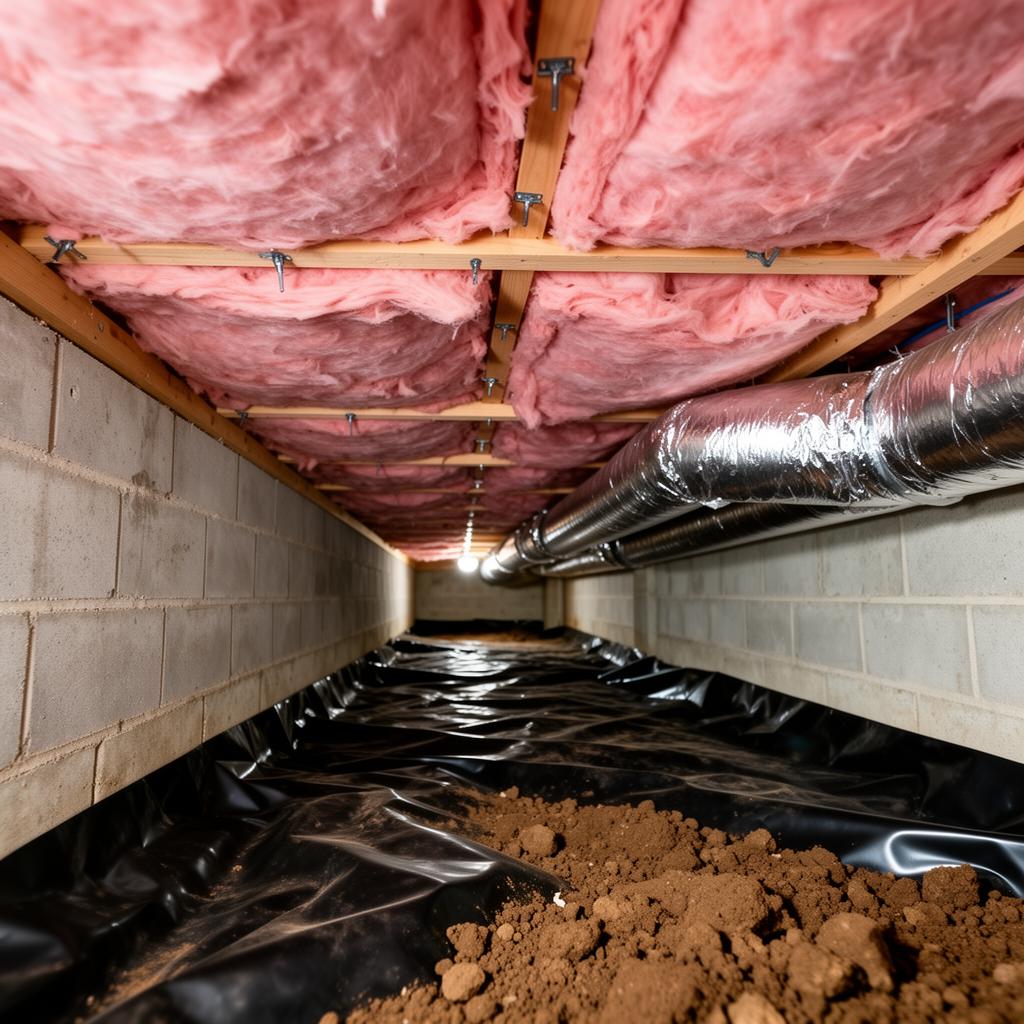
There's a big difference between "someone put plastic under the house" and a real, engineered crawl space insulation and encapsulation system. Here's what we install on a proper Johns Creek encapsulation:
- Address bulk water first. Fix grading, gutters, downspout extensions, and any plumbing leaks before sealing anything up. Encapsulation manages vapor. Not standing water.
- Full vapor barrier. Typically 12–20 mil reinforced polyethylene liner, mechanically fastened to the foundation walls and overlapped and sealed at all seams.
- Sealed foundation vents. The whole point is to stop bringing humid outside air in.
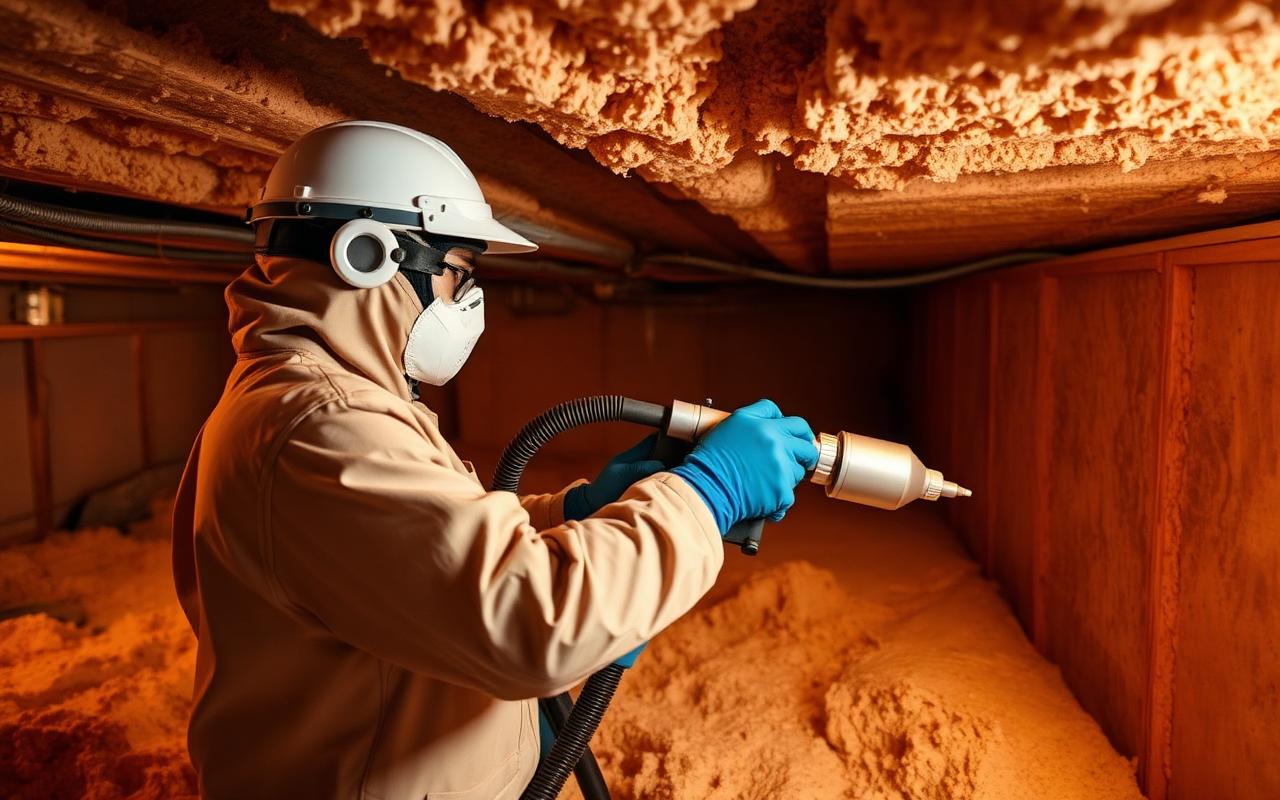
- Closed-cell spray foam on the crawl space walls. Usually 2 inches, providing both insulation and an additional vapor barrier.
- Sealed rim joists with 2–3 inches of closed-cell spray foam. A critical air leak point in every home.
- Sealed and insulated ductwork if it runs through the crawl space, with any damaged flex duct replaced.
- A dedicated dehumidifier or a small conditioned air supply from the HVAC system to actively control humidity year-round.
- A sump pump if the home has any history of standing water.
Done right, this is a permanent solution. Crawl space humidity drops from 80%+ to a consistent 45–55%, floor joists stay dry, and the musty smell disappears. Usually within a week. See our full crawl space insulation guide for more detail on when to encapsulate versus other approaches.
Why Johns Creek Homeowners See a Bigger Payback Than Average
Johns Creek homes tend to be larger than the metro average. Many are 4,000 to 8,000+ square feet with expansive footprints and correspondingly large crawl spaces. That means:
- More surface area for humidity to cause damage.
- More ductwork exposed to a hostile environment.
- Bigger HVAC systems working harder to dehumidify air pulled from the crawl.
- Higher-value flooring (site-finished hardwoods, engineered wood, natural stone) at risk of moisture damage.
- Bigger energy bills where efficiency improvements have more absolute dollar impact.
We regularly see energy bill reductions of 15–25% on large Johns Creek homes after encapsulation, purely from making the AC's job easier. On top of that, floors last longer, indoor air quality improves noticeably, and the resale story gets significantly stronger. Savvy buyers and home inspectors love an encapsulated crawl.
What About Just Adding a Dehumidifier?
A dehumidifier in a vented crawl space is essentially trying to dehumidify the outdoors. It'll run constantly, cost a fortune to operate, and never actually solve the problem. Dehumidification only works after the crawl space is properly sealed. Do the encapsulation, then add the dehumidifier. Never the other way around.
Johns Creek Areas Where We Work Regularly
We regularly encapsulate crawl spaces in communities across Johns Creek, including Country Club of the South, St. Ives, Rivermont, Seven Oaks, Bellmoore Park, and Medlock Bridge, plus the many custom-home enclaves off State Bridge Road and Old Alabama Road. Learn more about our work in Johns Creek.
Ready for a Dry, Healthy Crawl Space?
If your Johns Creek home has musty smells, floor issues, or you just haven't looked under the house in a while, it's worth an inspection. We'll crawl every corner, take photos and measurements, and give you a straight answer about whether encapsulation makes sense for your home. And a clear, itemized proposal if it does.
Call Iron Hive Insulation at 678-606-HIVE (4483) or request a free crawl space evaluation. We'll show you exactly what's happening under your home, and exactly how to fix it.