Woodstock Winter Prep: How to Insulate Against North Georgia Cold Snaps (and Prevent Frozen Pipes)
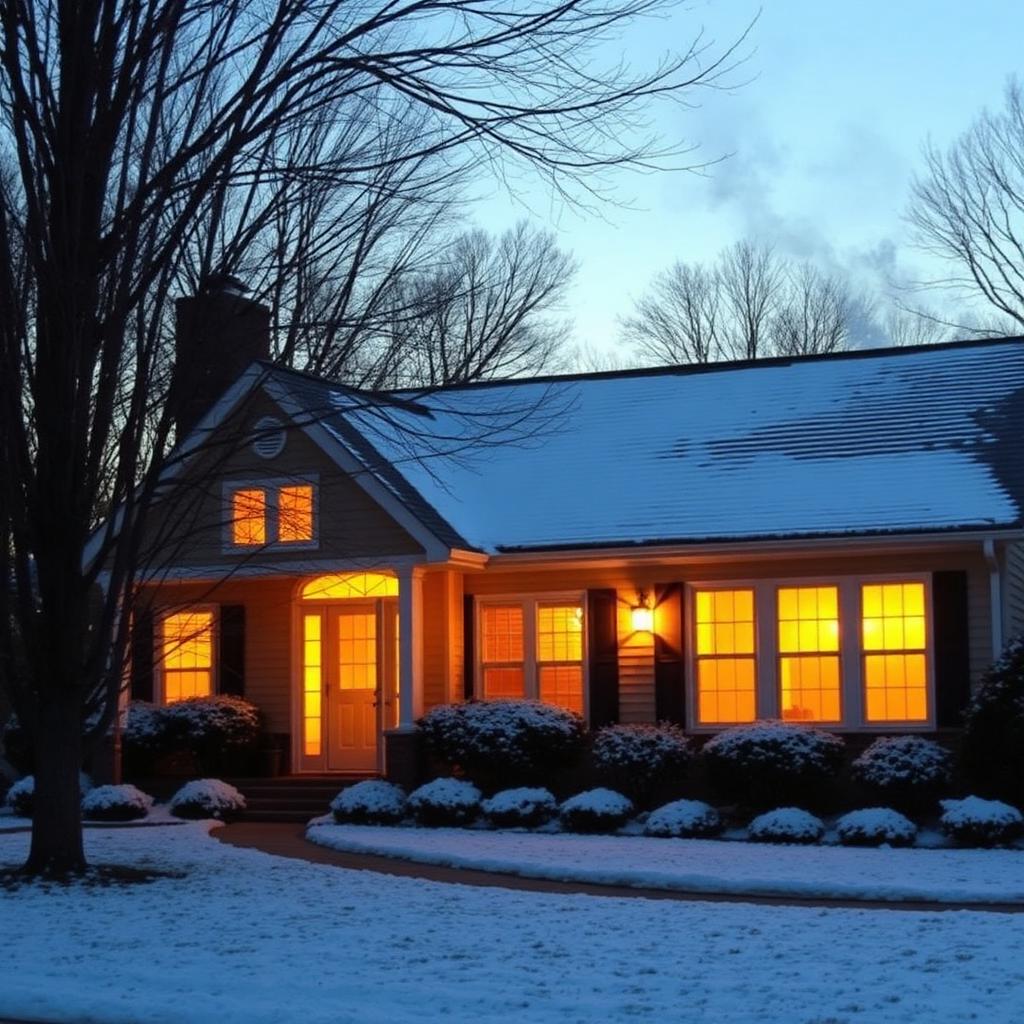
Woodstock sits at the northern edge of Metro Atlanta, and every few winters, Cherokee County gets a hard reminder that "the South" doesn't mean immune to real cold. When an Arctic front drops us into the teens for a few days, like the freezes homeowners still remember from recent seasons, the homes that struggle aren't the ones with old windows. They're the ones with weak insulation and no air sealing.
At Iron Hive Insulation, we get the same calls every January: cold floors over the crawl space, frozen pipes in the garage wall, ice dams over the front porch, and heating bills that doubled overnight. The fix isn't a bigger furnace. It's a better envelope. Homes farther north in the foothills, including Dawsonville, face the same cold snaps a few degrees colder. Here's how to prepare a Woodstock home for the cold snaps that are becoming harder to predict.
Why Woodstock Homes Get Caught Off Guard
Most homes in Woodstock, Towne Lake, Bridgemill, and Eagle Watch were built for a climate that averages 45°F in January. Not a 12°F morning. That means:
- Attic insulation is often sized for cooling season, not sustained cold. R-30 was code for decades; today's target is R-49.
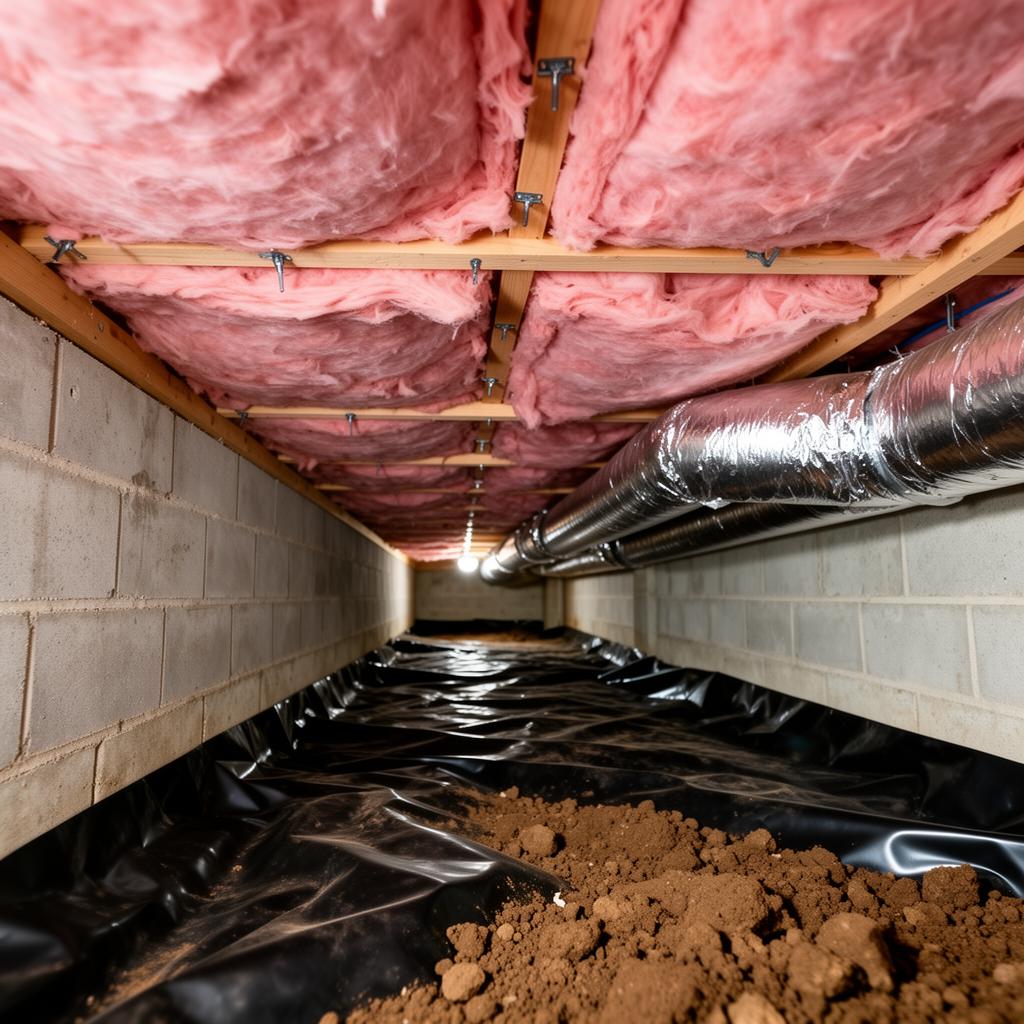
- Crawl spaces are vented to the outside, which is fine at 40°F and disastrous at 15°F. Floors get cold and pipes freeze.
- Garage-adjacent walls and ceilings rarely have proper insulation, even though they're often where the water heater or pipes run.
- Air leaks around rim joists, top plates, and recessed lights turn a stiff north wind into a whole-house draft.
When temperatures stay below freezing for 48+ hours, small weaknesses compound fast. A crawl space that "usually" holds 50°F can drop to 34°F and freeze a pipe in the wall above it.
The 5 Cold-Weather Weak Points in a Woodstock Home
1. The Attic
If you can see the tops of your ceiling joists, you have less than R-30. Cold air pushes down through under-insulated ceilings all night long. Bringing the attic to R-49 with blown-in insulation is the single biggest winter comfort upgrade for most homes in Cherokee County.
2. The Crawl Space
Vented crawl spaces are the #1 reason floors feel cold in Woodstock winters. Failing floor batts, missing vapor barriers, and open foundation vents let outside air wrap around your subfloor and plumbing. Our crawl space insulation guide walks through when to encapsulate and insulate the walls with closed-cell spray foam instead of stuffing more batts overhead.
3. The Garage Ceiling and Shared Walls
Bonus rooms over the garage and bedrooms next to the garage are almost always the coldest rooms in the house. Cold garage air sits below and beside them, and the insulation up there is usually thin or falling out. Re-insulating the garage ceiling and air sealing the shared wall makes a dramatic difference.
4. Rim Joists and Sill Plates
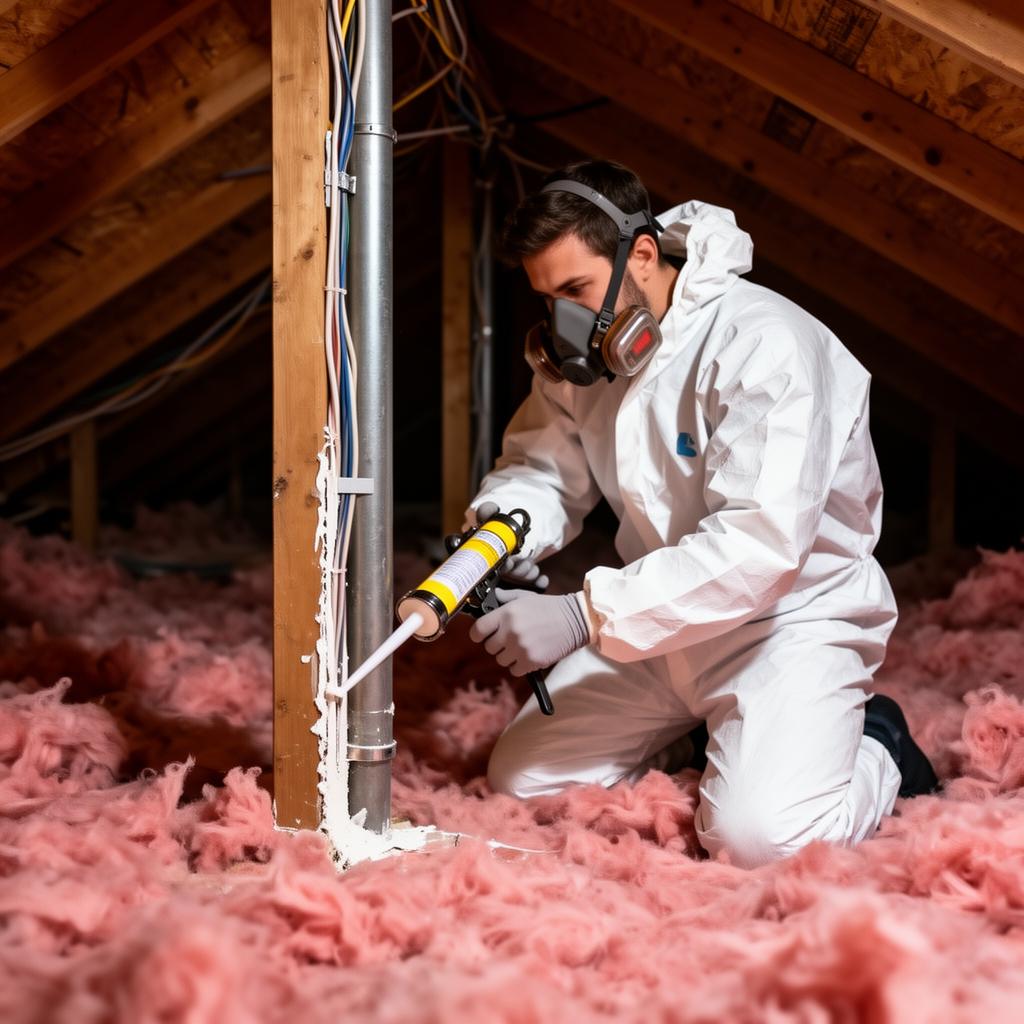
The band of wood where your foundation meets the framing is a notorious air leak. In older Woodstock homes, this gap can be equivalent to leaving a window cracked all winter. A few inches of closed-cell spray foam on the rim joists in the basement or crawl space stops it cold. Literally.
5. Attic Access Doors and Pull-Down Stairs
An uninsulated attic hatch is a chimney for warm air. Insulated hatch covers and weatherstripping cost very little and pay back within a season.
How to Prevent Frozen Pipes in Cherokee County
Frozen pipes in Metro Atlanta almost always fail in the same places: exterior walls, garage walls, and pipes running through vented crawl spaces. The fix is a combination of insulation and air sealing:
- Air seal every gap where a pipe passes through a wall, floor, or top plate.
- Insulate crawl space walls (not just the floor above) so the plumbing lives in a semi-conditioned space.
- Add pipe insulation sleeves as a last layer. Not as the whole solution.
- Seal foundation vents in winter if your crawl space is encapsulated.
- Make sure the garage ceiling above any plumbing is properly insulated and sealed.
A properly sealed and insulated crawl space in Woodstock will typically stay above 45°F even when it's 15°F outside. That's the margin that keeps pipes from bursting.
What About Ice Dams?
Ice dams are rare in Georgia but not unheard of after our occasional snowstorms. They form when heat escaping through the attic melts snow on the roof, which refreezes at the cold eaves. The prevention is exactly the same as the cold-comfort fix: air seal the attic floor, then insulate to R-49. Keep the attic cold and the roof deck stays cold, and snow melts evenly instead of pooling into ice.
The Cold-Snap Priority Order for Woodstock Homeowners
If you can only do one project before the next hard freeze, do the attic. If you can do two, add the crawl space. If you can do three, hit the rim joists and garage ceiling. Nearly every Woodstock home we visit benefits from that same sequence, and most of the work is invisible once it's done. You just notice the house is quieter, warmer, and cheaper to heat.
For a deeper look at how these upgrades pay off year-round, see our guide on how proper insulation cuts energy bills by 30% and our breakdown of air sealing's hidden benefits.
Get Your Woodstock Home Ready Before the Next Freeze
We serve homeowners across Woodstock and Cherokee County, including Towne Lake, Bridgemill, Eagle Watch, and the neighborhoods along Highway 92 and Bells Ferry. Our free evaluations include a look at your attic, crawl space, and the trouble spots that most contractors skip.
Call Iron Hive Insulation at 678-606-HIVE (4483) or request a free estimate to schedule your winter-prep evaluation. Cold snaps are getting harder to predict. Your home doesn't have to be.