Selling a Home in Suwanee? What Your Attic Insulation Does to the Inspection Report and the Final Price
Almost nobody buys a house because of the insulation. Plenty of people renegotiate because of it.
That is the part Suwanee sellers tend to miss. You stage the kitchen, pressure wash the driveway, touch up the trim. And then a home inspector spends fifteen minutes in an attic nobody has opened since closing day and writes three sentences that end up costing you real money at the table. In a market where buyers already have an eye on utility costs, "attic insulation is uneven and below current standards" is an easy thing for a buyer's agent to turn into a credit request.
Iron Hive Insulation works throughout Suwanee. From the late-90s and early-2000s subdivisions off Peachtree Industrial and Lawrenceville-Suwanee Road to the newer construction near Suwanee Town Center. This guide covers what inspectors actually write about insulation here, which findings move the price, and how to decide what to fix before you list.
What the Inspector Is Actually Looking At
A standard home inspection is not an energy audit, but the attic is on the checklist. In Suwanee reports, the same handful of items come up over and over:
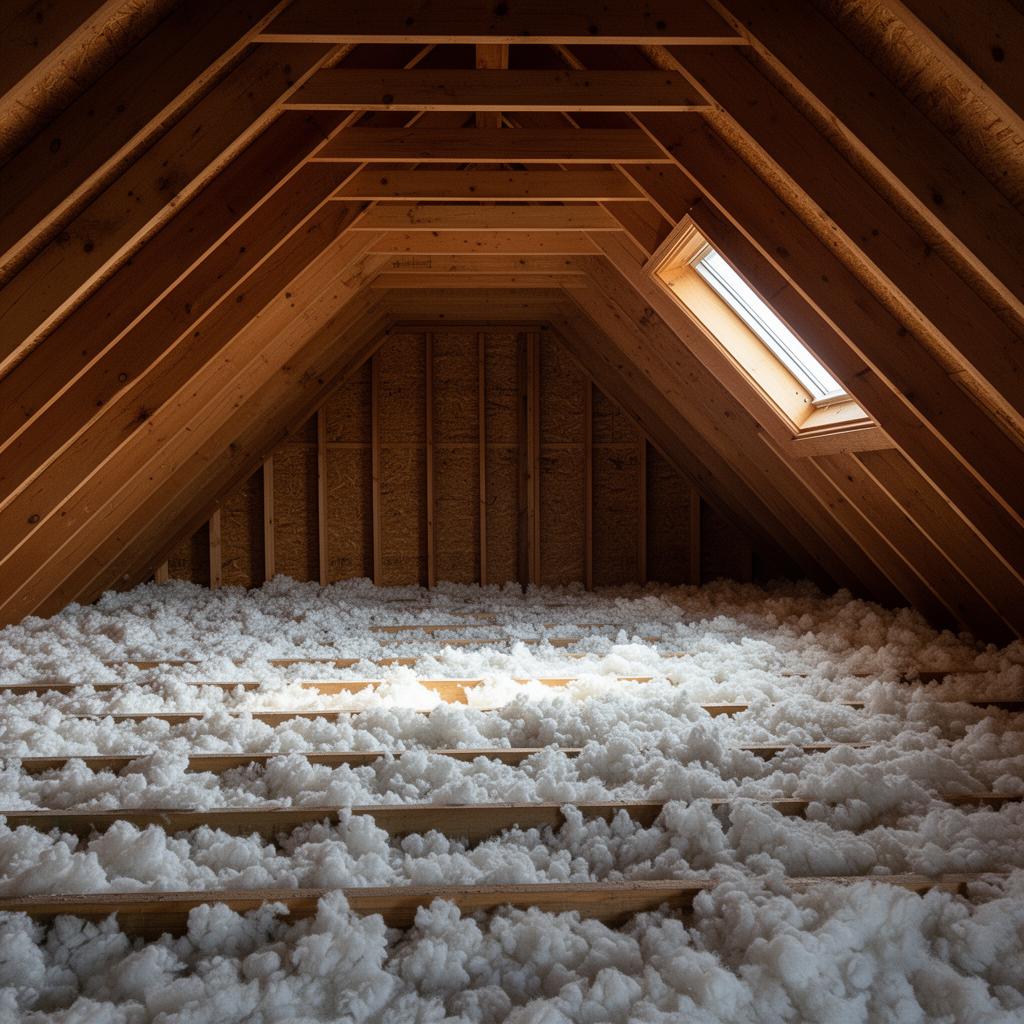
- Depth and coverage. Insulation that is thin, uneven, or missing in sections. Especially near the eaves and around the attic hatch.
- Compression and settling. Blown-in material that has settled well below its original depth, or batts crushed by storage boxes and foot traffic.
- Blocked soffit vents. Insulation pushed into the eaves with no baffles, which chokes attic ventilation and gets flagged as a moisture concern.
- Missing air sealing. Visible gaps at top plates, wire penetrations, and bath fan housings, often accompanied by dark staining in the insulation where air has been filtering through it for years.
- Moisture and mold indicators. Rusted nail tips, damp sheathing, or discolored insulation under bathroom exhausts that were vented into the attic instead of out the roof.
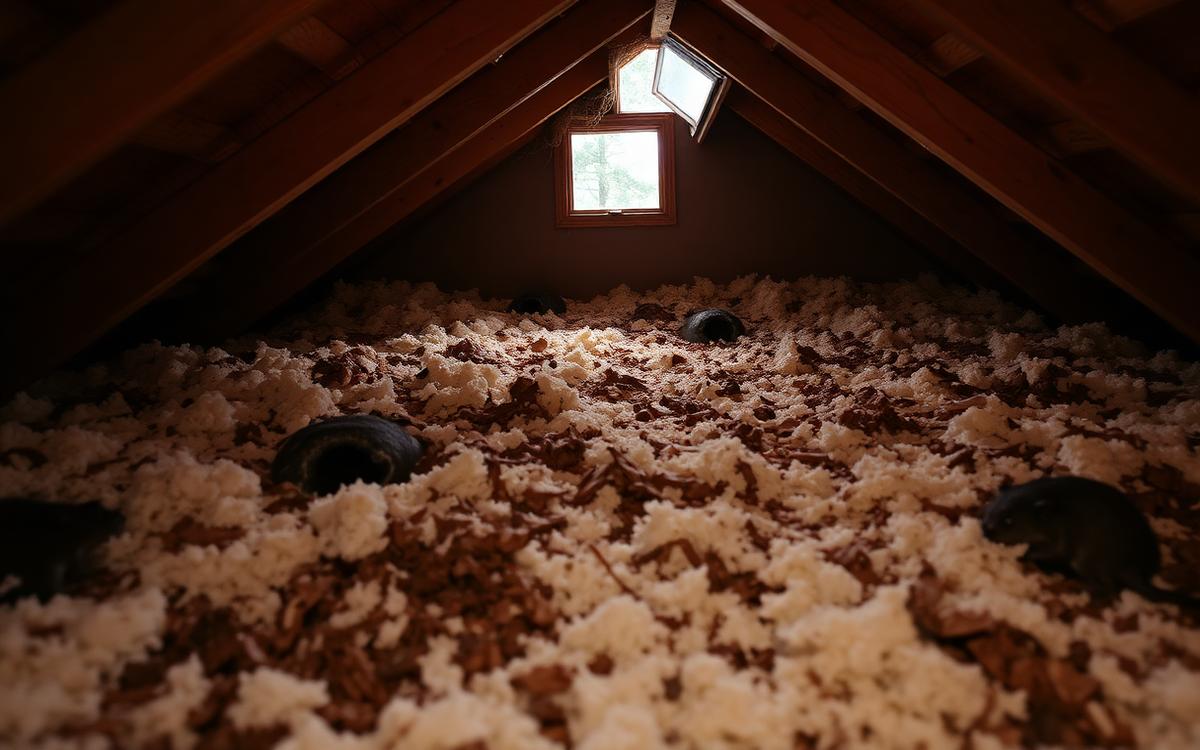
- Pest evidence. Tunneling, droppings, or nesting material, which usually triggers a second inspection by a pest professional.
Any one of these becomes a line item. Two or three together become a negotiation.
Why Suwanee Homes Show These Problems
Suwanee's housing stock is mostly newer than the intown neighborhoods, which fools sellers into assuming the attic is fine. Age is not the issue. Original build standards are.
Many homes here were built to the code minimum in effect at the time, which for a long stretch meant roughly R-30 in the attic. Georgia now sits at R-38 to R-49 for Climate Zone 3 attic floors. A house built to spec in 2001 can be entirely code-legal for its era and still read as underinsulated on a 2026 inspection report.
Add twenty years of settling, an HVAC replacement or two where crews walked across the insulation, some attic storage, and a bath fan that was never properly ducted, and a "newer" Suwanee home ends up with a real gap between what the builder installed and what is up there today. We walk through the details of that gap in our guide to attic insulation in Metro Atlanta, and the code side in our Georgia insulation code guide.
The Findings That Actually Cost You Money
Not every note in an inspection report matters. These are the ones that reliably turn into dollars.
1. Insulation well below current R-values
Buyers translate this directly into future utility bills. A report line saying the attic measures around R-19 when the standard is R-38 invites a request for a credit that is usually larger than what the work would have cost you to do yourself.
2. Moisture, staining, or mold-like growth
This is the finding that scares buyers most, because it hints at problems they cannot see. It almost always leads to a second opinion, and second opinions delay closings. The underlying cause is frequently simple, a bath fan dumping humid air into the attic, or blocked soffit vents starving the attic of airflow, but the report language rarely reflects how fixable it is.
3. Rodent evidence
Contaminated insulation is a health and odor issue, not just an efficiency one, and buyers treat it that way. If your attic has pest history, deal with it before listing. Our guide on rodent-damaged attic insulation explains what safe removal involves.
4. Crawl space insulation hanging down
Plenty of Suwanee homes have crawl spaces, and sagging or fallen batts under the floor are one of the most commonly photographed items in an inspection report. It looks like neglect even when the rest of the house is immaculate. Crawl space insulation work is usually straightforward and inexpensive relative to the impression it leaves.
5. A hot, uncomfortable upstairs during the showing
This one never appears in a report, but it costs more than the ones that do. A buyer touring a Suwanee two-story in August who feels the temperature climb five degrees on the way upstairs forms an opinion about the house before they reach the primary bedroom. We cover the mechanics of that problem in why your upstairs is always hot.
What Is Worth Fixing Before You List
The honest answer is that not everything is. Here is how we help sellers sort it.
Usually worth doing
- Topping off attic insulation to R-38 or better. Blown-in insulation over existing material is one of the least expensive attic improvements available, it is fast, and it turns a negative line item into a clean one. It also gives you something concrete to put in the listing.
- Air sealing the ceiling plane. Air sealing is inexpensive, removes the staining and draft findings, and makes the added insulation perform the way it is supposed to. Doing insulation without it is the most common mistake we see.
- Installing soffit baffles. A ventilation finding is cheap to eliminate and expensive to argue about.
- Fixing bath fans that vent into the attic. Small correction, removes a moisture flag entirely.
- Removing contaminated or wet insulation. Insulation removal before listing costs less than the concession a buyer will ask for after the inspection, and it protects you from disclosure headaches.
Usually not worth doing
- A full spray foam conversion purely to sell. Spray foam is an excellent long-term system, but you will not recover the full cost in a single transaction. Do it because you plan to stay, not to stage.
- Chasing every minor note. A slightly compressed batt over the garage is not what is costing you money.
The middle ground
If you are listing in the next few weeks, ask for a written scope with photos and pricing, then decide whether to complete the work or hand the quote to your agent. A documented, priced quote from a licensed contractor gives your agent something to negotiate with. It caps the buyer's imagination at a real number instead of an invented one.
What This Does for the Listing Itself
Sellers underestimate this part. "Attic insulation upgraded to R-49 in 2026, air sealed, with documentation" is a legitimate selling point in a market where buyers are comparing monthly costs, not just purchase prices. It signals a maintained home. It also holds up when the buyer's inspector goes up there, which is when most listing claims quietly fall apart.
If you are on the buying side of a Suwanee move instead, the same list works in reverse. It tells you what to ask your inspector to check closely. Our pre-purchase inspection guide goes deeper on that.
A Realistic Timeline
- Six to eight weeks before listing: Get the attic inspected and priced. This is enough runway for removal work if you need it.
- Three to four weeks before listing: Complete air sealing and insulation. Most Suwanee attics are a one-day job.
- Before photos: Clear attic storage and have the space looking clean. Inspectors and curious buyers both notice.
- At listing: Keep the invoice and before/after photos with your disclosure packet.
If you are already under contract and an inspection just came back, it is not too late. Most of this work can be scheduled and finished inside the repair negotiation window.
Get an Honest Look Before the Inspector Does
Iron Hive Insulation offers free attic and crawl space inspections across Suwanee and the surrounding communities including Duluth, Johns Creek, Sugar Hill, Buford, and Lawrenceville. We will photograph exactly what is up there, tell you plainly what a buyer's inspector is going to write, and give you a written scope with pricing so you can decide what is worth doing before you list.
Call 678-606-HIVE (4483) or request an estimate online. We will make sure the attic is not the thing that costs you at closing.